You grab your binoculars for a morning of birding, and the view is a hazy, smudgy mess. It happens to everyone. The immediate thought is, "What can I use to clean this?" The short, expert answer is this: the best thing to clean binoculars with is a combination of a soft-bristled brush, a rocket blower, a high-quality microfiber cloth, and a few drops of a dedicated lens cleaning fluid made for coated optics. But using them in the wrong order or the wrong way is how people ruin their lenses. I've seen it. I've done it myself years ago. This guide isn't just a list of tools; it's the exact process I've used for over a decade to keep my optics crystal clear without a single scratch.
What You'll Learn in This Guide
- Why Proper Cleaning Matters More Than You Think
- The Non-Negotiable Cleaning Toolkit
- How to Clean Binocular Lenses Without Scratching Them
- Cleaning the Binocular Body and Eyecups
- The Three Most Common Cleaning Mistakes
- Daily Habits to Keep Your Binoculars Cleaner Longer
- Your Binocular Cleaning Questions, Answered
Why Proper Cleaning Matters More Than You Think
It's not just about a clear view. Aggressive or incorrect cleaning is the number one cause of preventable damage to binoculars. The lens coatings are microscopic layers that reduce glare and enhance light transmission. Scrubbing them with a rough cloth or using harsh chemicals doesn't just smear grease; it permanently scratches and degrades these coatings. Once that happens, you'll permanently have reduced contrast and more flare in your image. No amount of cleaning will fix it. Think of it like a non-stick pan – you use soft tools to preserve the surface.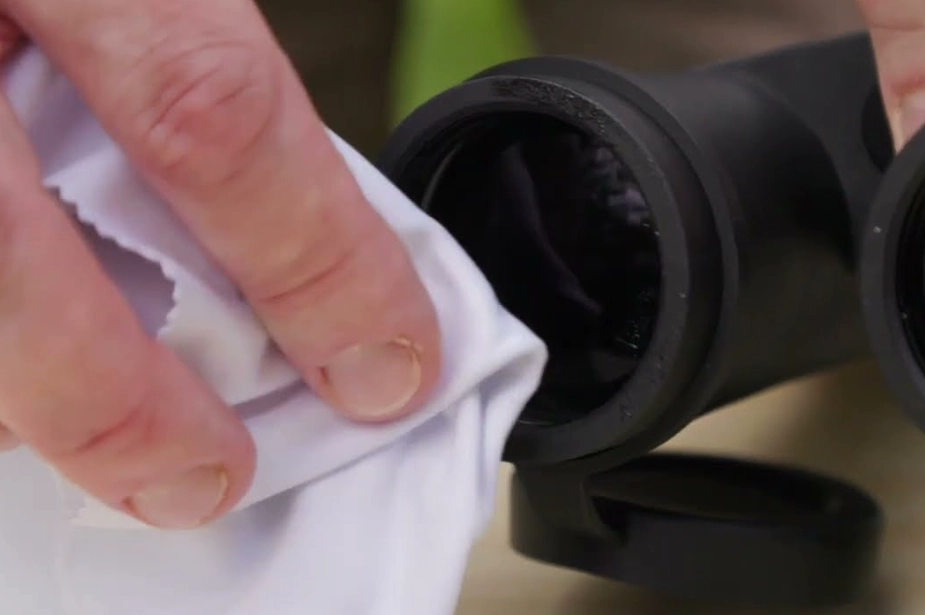
The Non-Negotiable Cleaning Toolkit
You don't need a fancy kit. You need the right four things. Forget the t-shirt and your breath. Here's what actually works, based on recommendations from optical manufacturers like Zeiss and Swarovski Optik.
| Tool | Primary Job | Why It's Essential & What to Look For |
|---|---|---|
| Lens Pen (or Brush & Blower) | Dry dust removal | A lens pen combines a soft brush and a microfiber tip in one. The brush loosens dust, the tip wipes it. Alternatively, a separate rocket blower (like a Giottos) and a soft brush are perfect. This step is critical to avoid grinding grit into the lens. |
| Microfiber Cloth | Final polishing & smudge removal | Not all microfiber is equal. You want a lint-free, plush cloth sold specifically for camera lenses or glasses. Wash it regularly (no fabric softener) and keep it in a sealed bag. An old one loaded with grit is worse than no cloth at all. |
| Lens Cleaning Fluid | Dissolving oils and fingerprints | This is the secret weapon. A drop or two of a formula designed for multi-coated optics (brands like Zeiss, Nikon, or Pentax make their own) will dissolve body oils and sunscreen without harming the coatings. It evaporates cleanly. |
| Cotton Swabs (Pointed) | Reaching crevices and eyecups | Useful for cleaning around the objective lens housing and the intricate parts of twist-up eyecups. Just moisten the tip slightly with lens fluid first. |
You can buy these items individually or in a pre-made kit from brands like LensPen or VSGO. The kit is convenient, but ensure the fluid is reputable.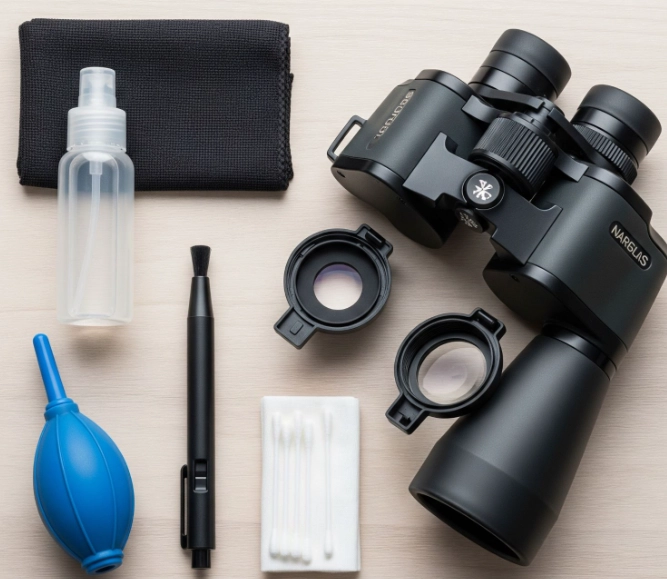
How to Clean Binocular Lenses Without Scratching Them
This is the core of it. Follow these steps in order, every single time. Rushing or skipping Step 1 is where 90% of lens scratches originate.
Step 1: Blow and Brush First (The Dry Clean)
Never touch the lens with a cloth first. Use the rocket blower to give a few strong puffs of air across the lens surface. This dislodges loose sand and dust. Follow up with the soft brush, using gentle, sweeping motions from the center outward. Hold the binoculars upside down so the debris falls away. If you don't have a blower, just the brush is okay, but be extra gentle.
Step 2: Apply Fluid to the Cloth, Not the Lens
This is a subtle but crucial point most guides miss. Put one or two small drops of lens cleaning fluid directly onto your microfiber cloth. Do not spray or drip fluid directly onto the binocular lens. Why? Excess fluid can seep past the seal around the lens element and into the interior, potentially causing internal fogging or mold over time. A damp cloth is all you need.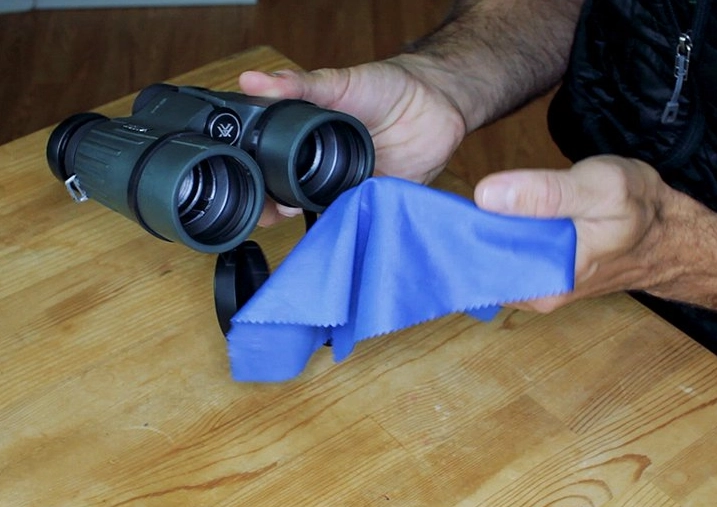
Step 3: The Wiping Technique
Using the dampened area of the cloth, wipe the lens in a gentle, circular motion starting from the center. Don't press hard. You're letting the fluid dissolve the oils. After a few circles, flip to a dry, clean section of the same microfiber cloth and use the same circular motion to buff the lens completely dry. No streaks should remain.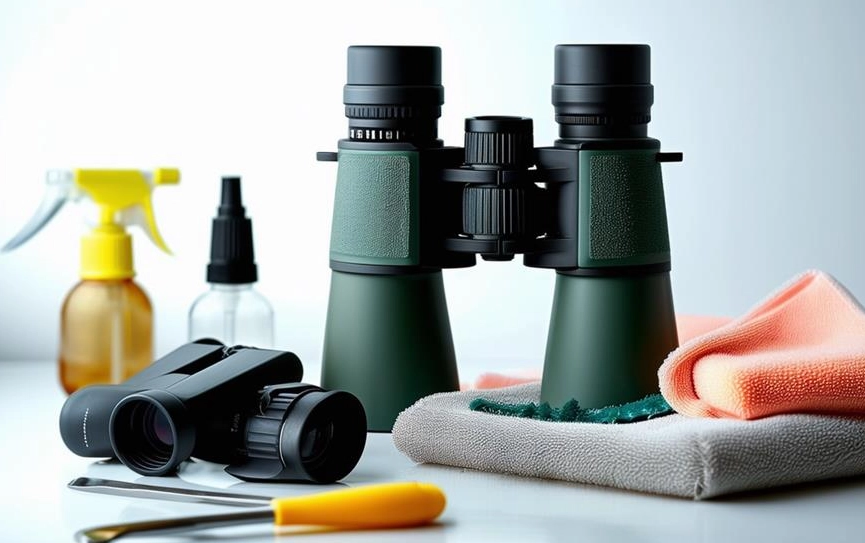
Cleaning the Binocular Body and Eyecups
The body gets grimy too. For the rubber armoring, a slightly damp microfiber cloth with plain water is usually sufficient. For stubborn dirt or salt spray (a big issue for coastal birders), use a tiny bit of mild soap like dish soap diluted in water. Wipe down and dry immediately. For the eyecups, especially twist-up ones, use a cotton swab slightly moistened with lens fluid to clean the grooves where skin oils accumulate. It makes a huge difference in comfort.
The Three Most Common Cleaning Mistakes
- Using paper products: Tissues, paper towels, and even some lens tissues have wood fibers that are abrasive enough to scratch coatings. They're a hard no.
- Using household cleaners: Windex, glass cleaner, alcohol, or vinegar are too harsh. They can strip anti-reflective coatings and damage the cement that holds lens elements together. I learned this the hard way on an old pair; the lens developed a permanent cloudiness.
- Breathing on the lens to "fog it up" for cleaning: This seems harmless, but your breath contains microscopic droplets of water and acids that can, over many cleanings, degrade coatings. Plus, if you do it in a humid environment, you're inviting moisture inside the optics.
Daily Habits to Keep Your Binoculars Cleaner Longer
Always use the lens caps when storing or transporting. It's the simplest, most effective protection. Keep your binoculars in their case when not in use. If you're in the field, don't set them down lens-first on any surface. A simple habit: when you put the strap around your neck, make a conscious effort to ensure the objective lenses are facing your body, not pointing outward to catch dust and rain.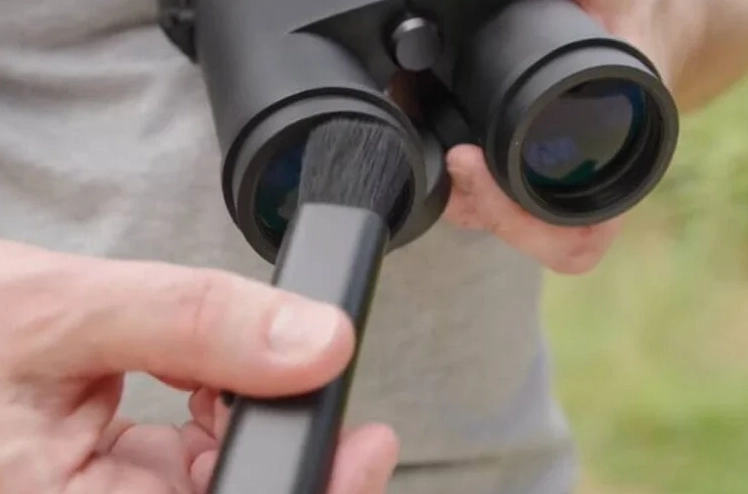
Reader Comments