Let's be honest. You wake up, check the forecast, and see 20 mph winds with higher gusts. Your first thought is probably to cancel the birding trip. The leaves are roaring, branches are swaying, and the idea of holding binoculars steady seems like a joke. I've been there, staring out the window, feeling that frustration. But here's the non-consensus view I've developed after fifteen years of chasing birds in all conditions: a windy day isn't a barrier to great birding. It's a different game with a different set of rules. If you know how to play it, you can have sightings that calm-day birders will never get. This guide cuts through the generic advice and gives you the actionable strategies and gear insights you need to actually enjoy and succeed at birding on windy days.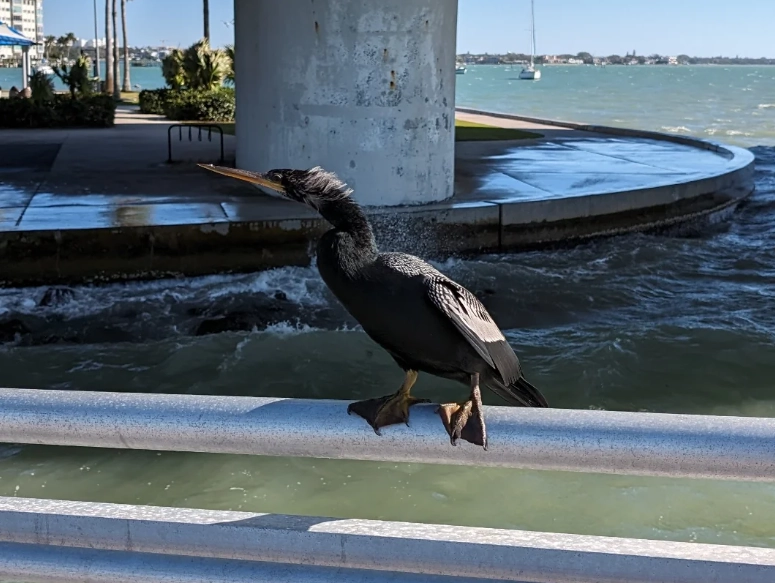
What's in This Guide?
How Wind Affects Bird Behavior (It's Not All Bad)
Most advice starts with the problems. I want to start with the reality. Wind changes everything. Birds aren't just sitting ducks up there; they're reacting, adapting, and sometimes exploiting the conditions.
First, the obvious challenges. Songbirds hate strong wind. They go quiet. Why call when your song gets torn apart by gusts? They also seek deep cover. That warbler you expected in the outer foliage is now hunkered down in the densest thicket, near the trunk, on the leeward side of the tree or hill. Your ears, a birder's primary tool, are significantly less useful. The rustling leaves and howling wind mask chips, calls, and songs.
Now, the subtle opportunity most miss. While small birds hide, certain birds become more active or predictable. Raptors, especially buteos like Red-tailed Hawks and Rough-legged Hawks, often use strong winds to save energy. They'll kite—hang almost motionless—into the wind over ridges or open fields. It's a spectacular, easy-to-watch behavior you rarely see on calm days. Strong winds, particularly from the east or north during migration, can force tired songbirds down in massive concentrations at coastal hotspots or lake shores, a phenomenon known as a "fallout." It's chaotic, but it can be legendary.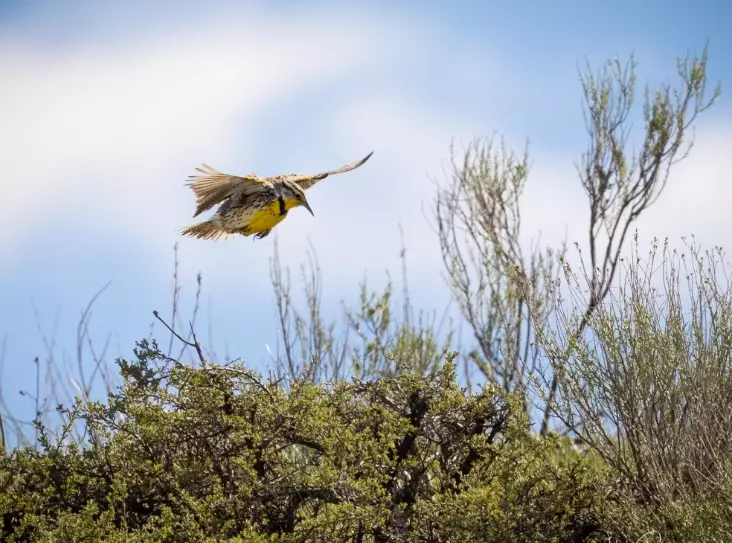
The key is shifting your mindset. You're not looking for a leisurely walk with birds singing on every branch. You're on a tactical mission to find the sheltered zones and predict where the wind will push avian activity.
Windy Day Field Strategies: How to Choose the Right Spot and Adjust Your Technique
Forget your favorite wide-open marsh or exposed ridge trail for today. Success in the wind is 80% location choice.
How to Choose the Right Spot on a Windy Day?
Think like a bird: where would you go to get out of this? Your target is leeward shelter.
- Dense, Mature Woodlots: The interior of a large forest block is often remarkably calm. Focus on edges within the woods, not the windy perimeter.
- Lee Slopes and Valleys: The downwind side of a hill, bluff, or even a large building creates a wind shadow. I've had fantastic days birding in the calm zone just east of a north-south ridge during a strong westerly gale.
- Ravines and Creek Beds: These natural trenches offer protection. Birds funnel into them.
- Urban Canyons and Sheltered Gardens: Don't dismiss city parks. Buildings break the wind, creating micro-habitats that birds (and insects) flock to.
Avoid open water (waves scare dabbling ducks), vast grasslands, and exposed mountain tops. Your experience will be miserable and largely birdless.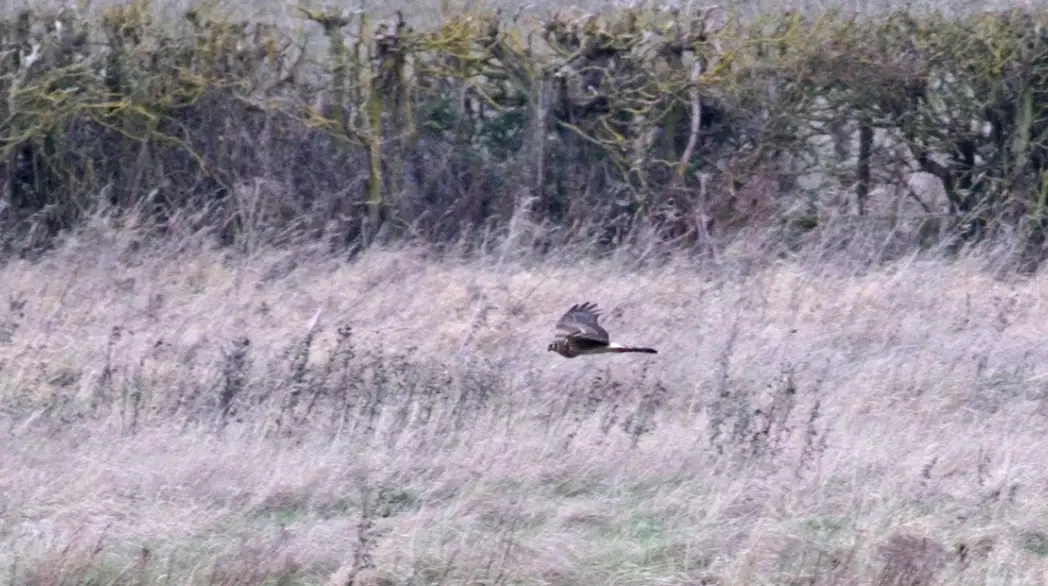
Adjusting Your Observation Skills
With hearing compromised, your eyes must work overtime.
Look for movement in the "wrong" places. Scan the lower third of trees, inside tangles, and at the base of brush piles. That's where the birds are. Watch for leaves shaking against the wind's direction—a telltale sign of a bird moving inside.
Patience is a different kind of skill here. Find a good sheltered spot, get out of the wind yourself, and stay put. Let the birds adjust to your presence. In the calm pockets, they will eventually resume some activity. I call it "still-hunting"—it's far more effective than fighting the wind while walking.
Pro Tip from a Hard Lesson: I once spent a brutal morning on an exposed coastal headwind, seeing nothing but gulls struggling. I gave up, drove ten minutes inland to a small, wooded cemetery. Suddenly, it was calm. I found a mixed flock of kinglets, creepers, and even a lingering Black-throated Blue Warbler all foraging low in a sheltered holly grove. The difference was night and day. The best spot isn't always the "prime" habitat; it's the prime shelter.
The Essential Windy Day Birding Gear List
The right gear doesn't just make windy birding possible; it makes it comfortable. This is where most generic lists fail—they recommend the same rain jacket for all weather. Wind demands specific features.
| Gear Category | Specific Recommendation & Why | What to Avoid |
|---|---|---|
| Outer Layer | A windproof, breathable softshell or hardshell jacket with a high collar and adjustable cuffs. Wind chill is the real enemy. Look for minimal seams on the shoulders/arms to reduce flapping noise. | Basic fleece or puffy jackets. They're warm but let wind right through, chilling you instantly. |
| Headgear | A tight-fitting beanie or hat with ear coverage. A buff or neck gaiter is invaluable for protecting your face and neck from biting wind. | Baseball caps. They offer zero ear protection and can fly off. |
| Binoculars | Stability is king. Image-stabilized (IS) binoculars (like Canon's IS series) are a game-changer. If not, opt for a lower magnification (8x vs 10x) for a wider, steadier view. Rubber armoring provides a more secure grip with cold or gloved hands. | Heavy, high-magnification scopes or binoculars without a harness. Hand-shake is magnified. |
| Support System | A padded binocular harness (like the Cotton Carrier) keeps weight off your neck and secures optics to your chest, preventing swing and slap. Consider lightweight, fingerless gloves for dexterity while holding bins. | A simple neck strap. Your binoculars will swing, bounce, and hit you in the chest constantly. |
| Footwear & Lower Body | Sturdy, ankle-supporting boots. Wind often accompanies wet or uneven ground. Windproof or softshell pants make a huge difference in comfort. | Low-top sneakers or thin leggings. You need stability and insulation. |
A note on tripods: I generally advise against them on very windy days. They become large sails, vibrate, and are cumbersome to move between sheltered spots. A monopod can be a decent compromise if you must have support for a scope.
Turning Wind into an Advantage: What to Look For
This is where you graduate from coping to excelling. Certain birding experiences are enhanced by wind.
Pelagic Birding & Sea Watching: Strong onshore winds (especially after a storm) are famous for pushing seabirds closer to shore. Head to a coastal headland or pier. You might see shearwaters, gannets, and jaegers riding the wind waves much closer than usual. The National Audubon Society has great resources on coastal birding hotspots.
Raptor Migration: Many hawks, eagles, and vultures prefer to migrate on days with favorable tailwinds or uplift. However, a strong crosswind or headwind can force them to lower altitudes and follow specific ridgelines (like those monitored by the Hawk Migration Association of North America), making for incredible, close-range viewing.
Insectivore Concentration: On windy days, flying insects are also pushed into sheltered areas. Where the bugs go, the birds that eat them follow. Look for flycatchers, swallows, and warblers actively feeding in the lee of tree lines or over calm ponds.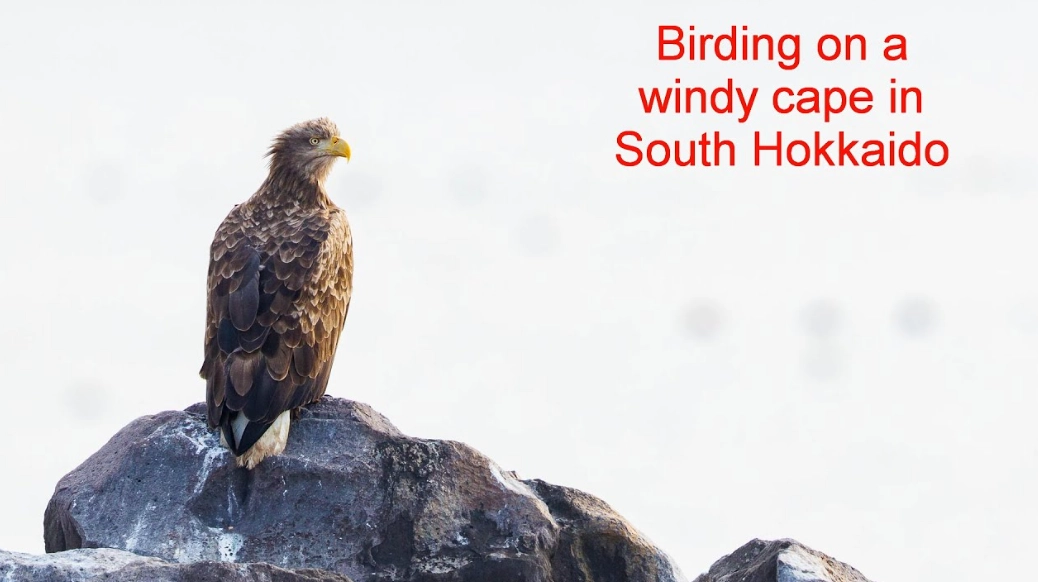
Your Windy Day Birding Questions Answered
 How do I protect my optics from blowing dust and debris?
So, the next time the forecast looks blustery, don't automatically cancel. See it as a call to adapt. Grab your windproof gear, rethink your location, sharpen your eyes, and head for the lee side. You might just discover a side of birding—and a list of species—that only reveals itself when the wind blows.
Reader Comments