Let's cut to the chase. Everglades National Park isn't your typical postcard-perfect national park with towering mountains and scenic overlooks. It's a vast, slow-moving river of grass, a subtropical wilderness where the magic is in the subtle details—the ripple of an alligator sliding into the water, the distant cry of a red-shouldered hawk, the sheer scale of a sawgrass prairie stretching to the horizon. Most first-timers get it wrong. They show up expecting a quick, Instagrammable loop drive, only to leave overwhelmed, mosquito-bitten, and feeling like they missed the point. After more trips than I can count, I'm here to help you avoid that fate. This guide is about experiencing the Everglades on its own terms, not checking a box.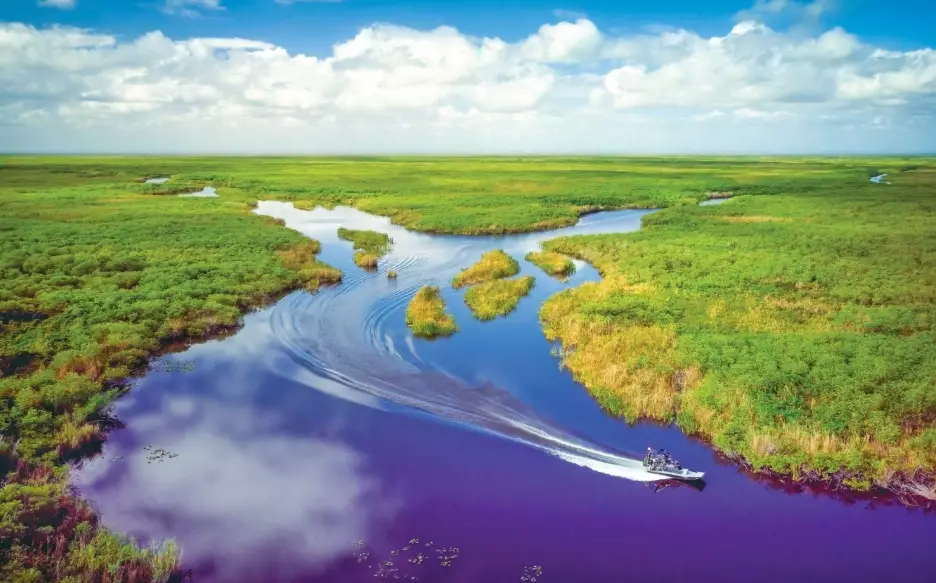
What You'll Find in This Guide
How to Pick Your Park Entrance (It Changes Everything)
This is the single most important decision you'll make. The Everglades has three main entrances hundreds of miles apart by road, each offering a completely different experience. Picking the wrong one is the root cause of visitor disappointment.
| Entrance / Area | Best For | Drive Time from Miami | Signature Experience | Biggest Drawback |
|---|---|---|---|---|
| Ernest F. Coe (Main) Visitor Center (Near Homestead, FL) |
First-timers, families, easy boardwalk trails, a concentrated taste of ecosystems. | ~1 hour | The 38-mile Main Park Road to Flamingo, with stops like Anhinga Trail. | Can feel crowded, especially at Anhinga Trail. The drive is long if you go all the way to Flamingo. |
| Shark Valley (On Tamiami Trail, US-41) |
Guaranteed wildlife sightings (alligators, birds), a flat, easy 15-mile loop, tram tours. | ~45 minutes | The 65-foot observation tower offering 360-degree views of the River of Grass. | Extremely limited parking; you must arrive early or book the tram tour in advance. Minimal shade. |
| Gulf Coast (Everglades City) | Boat-based exploration, kayaking, fishing, accessing the Ten Thousand Islands. | ~1.5 hours | Mangrove tunnels, coastal scenery, dolphin sightings. | Very little to do on foot. Experience is dependent on booking a boat tour or renting a kayak. |
My personal take? If it's your first and maybe only visit, the Main Entrance is your safest bet. You get variety. You can hit the iconic Anhinga Trail, drive down to Flamingo for a taste of the coast, and feel like you've "done" the Everglades. But if you're a wildlife photography nut or hate hiking, Shark Valley's tram tour delivers more alligators per square foot than anywhere else. The Gulf Coast entrance feels like a different park altogether—more about the meeting of fresh and saltwater.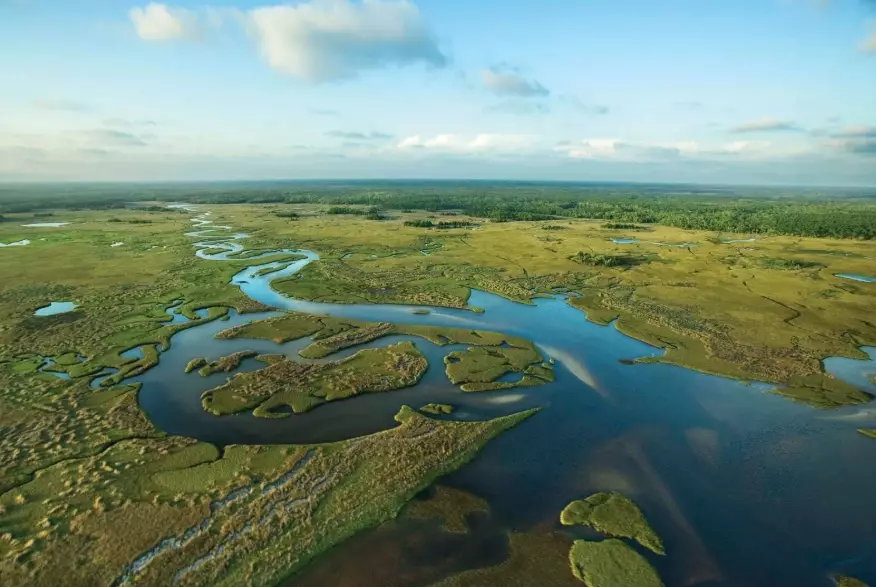
Park Pass Info: The vehicle entrance fee is $35, valid for 7 days at all entrances. If you plan to visit more than 2-3 national parks in a year, the $80 America the Beautiful Annual Pass is a no-brainer. Purchase online at the official NPS website or at any entrance station.
Crafting Your Perfect Everglades Itinerary
Throwing together a random list of trails won't work here. Distance and heat are your main adversaries. Your itinerary needs to account for drive times and the intense Florida sun.
The Action-Packed One-Day Blitz (From Miami)
This is for the time-crunched. You'll get the highlights, but it's a long day.
- 7:00 AM: Leave Miami. Target arriving at the Shark Valley entrance by 8:00 AM to secure parking. Immediately book the next available Tram Tour (2 hours). This is non-negotiable for a one-day trip—it's the most efficient wildlife viewing.
- 10:30 AM: Drive east on Tamiami Trail (US-41) for 30 minutes to the Miccosukee Restaurant for a quick, authentic fry bread snack.
- 11:30 AM: Continue to the Main (Ernest F. Coe) Entrance. Drive the park road, stopping first at the Royal Palm area for the Anhinga Trail (0.8 miles, paved). This is where you'll see alligators sunning feet from the boardwalk and anhingas drying their wings. Spend an hour here, max.
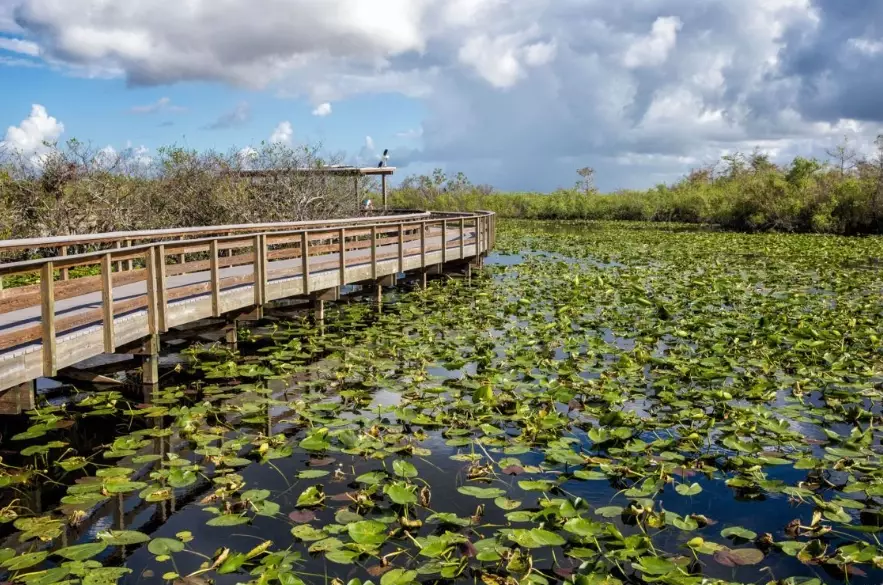
- 1:30 PM: Have a picnic lunch at the Pa-hay-okee Overlook (a short boardwalk loop). The view of the endless sawgrass is the iconic "River of Grass" moment.
- 2:30 PM: Drive to Flamingo at the end of the road (38 miles from the entrance). Check out the marina, look for manatees and crocodiles (yes, crocodiles, the saltwater ones). The visitor center here has been rebuilt.
- 4:30 PM: Start the drive back. Stop at the Mahogany Hammock Trail (short boardwalk through dense jungle) if you have energy.
- 7:00 PM: Back in Miami, exhausted but accomplished.
It's a grind, but it works.
The Ideal Two-Day Immersion
This is the sweet spot. Day 1: Main Entrance. Day 2: Choose your adventure—Shark Valley for wildlife, or Gulf Coast for water.
Day 1 - Main Park Road Deep Dive: Stay in Homestead or Florida City. Enter the park at 9 AM. Do the Anhinga Trail early before crowds peak. Then, take your time. Hike the Gumbo Limbo Trail (a shady half-mile loop right next to Anhinga). Drive to Flamingo, rent a kayak for a paddle around the marina, or join a boat tour. On the drive back, stop at the Pinelands Trail for a different, drier ecosystem. You have time to actually read the interpretive signs.
Day 2 - Option A (Wildlife Focus): Drive to Shark Valley (about 1 hour from Homestead). Do the tram tour or rent a bike to ride the 15-mile loop (flat and easy, but bring water). Have lunch in Everglades City. Then take a late afternoon airboat tour with a private operator outside the park (like Coopertown or Everglades Safari Park). They're touristy, but they get you into areas the NPS doesn't, and the thrill is real.
Day 2 - Option B (Water Focus): Drive straight to the Gulf Coast Visitor Center in Everglades City (1.5 hours). Book a ranger-led boat tour or a longer guided kayak trip through the mangrove tunnels of the Ten Thousand Islands. The silence and scenery out here are profound. You might see dolphins, ospreys, and roseate spoonbills.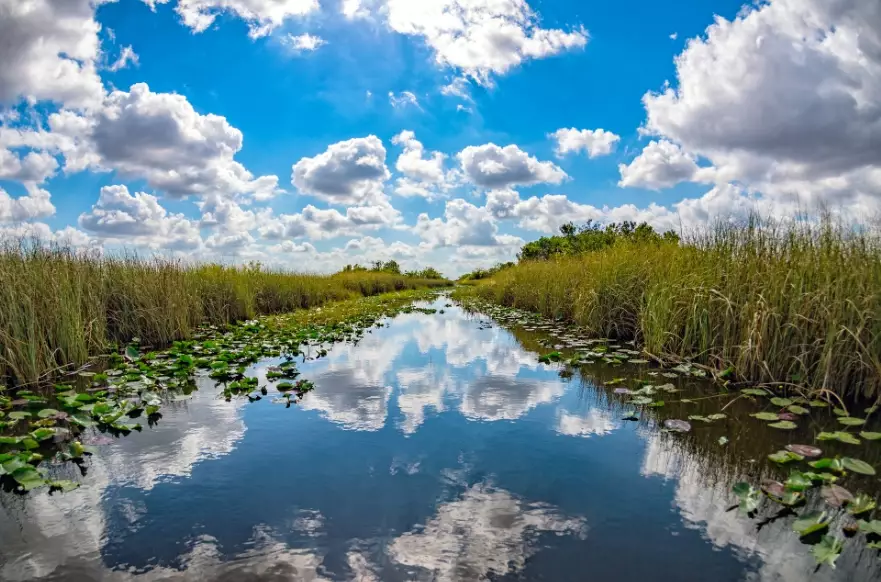
The Truth About the Best Time to Visit
Everyone says "dry season (December to April)." They're right about the weather—lower humidity, fewer mosquitoes, milder temperatures. It's peak season for a reason. But let me offer a contrarian view.
The wet season (May to November) is the Everglades at its most alive. The rains have filled the marshes, wildlife is dispersed but active. Birding can be spectacular as wading birds congregate in shrinking pools. The landscape is a vibrant green. Yes, you will encounter thunderstorms, brutal humidity, and ferocious mosquitoes. But you'll also encounter far fewer people and a more dynamic ecosystem. If you can handle the conditions (and I mean really handle them, with proper gear), the wet season offers a raw, authentic experience.
The shoulder months of November and late April are my personal gold standard. You often get dry-season weather without the peak-season crowds. The water levels are changing, which stirs up animal activity.
Mosquito Advisory: This isn't a joke. From June to October, mosquitoes are a force of nature. A 25% DEET spray is a minimum. Consider treating your clothing with permethrin before you go. Long sleeves and pants are essential at dawn and dusk. The visitor centers sell head nets—they look silly, but you'll be the one laughing when you're not swatting your face constantly.
Gear You Absolutely Cannot Skip
Forgetting these can ruin your trip.
- Water. More than you think. One gallon per person per day is not an exaggeration. There are very few places to refill once you're on the park roads.
- Sun Defense Arsenal: A wide-brimmed hat (not a baseball cap), UV-protection long-sleeve shirt, sunglasses, and reef-safe sunscreen for exposed skin. The sun reflects off the water and is relentless.
- Binoculars: This is a bird guide's top tool. So much of the wildlife is at a distance—a perched owl, a flock of ibis, an alligator across a slough. A decent pair of 8x42 binoculars transforms the experience from "I see a dot" to "Wow, I can see its feathers."
- Closed-Toe Shoes: Not sandals. For walking even the paved trails. Fire ants, uneven boardwalk planks, and the occasional spider are real.
- Cooler with Snacks: Food options inside the park are extremely limited (basically Flamingo marina). Pack lunches, fruit, and electrolytes.
Expert Answers to Your Trickiest Questions
 What's the single best way to avoid the infamous Everglades mosquitoes?
Reader Comments