Let's be honest. The classic, full-size birding binocular is a beast. It gives you stunning, bright views, sure. But after a few hours on the trail, hanging around your neck, it feels like you're carrying a brick. Your shoulders ache, and you start leaving it in the car for "quick" walks. That's where the best small birding binoculars come in. They're the secret weapon for active birders, travel enthusiasts, and anyone who values freedom of movement without sacrificing optical quality.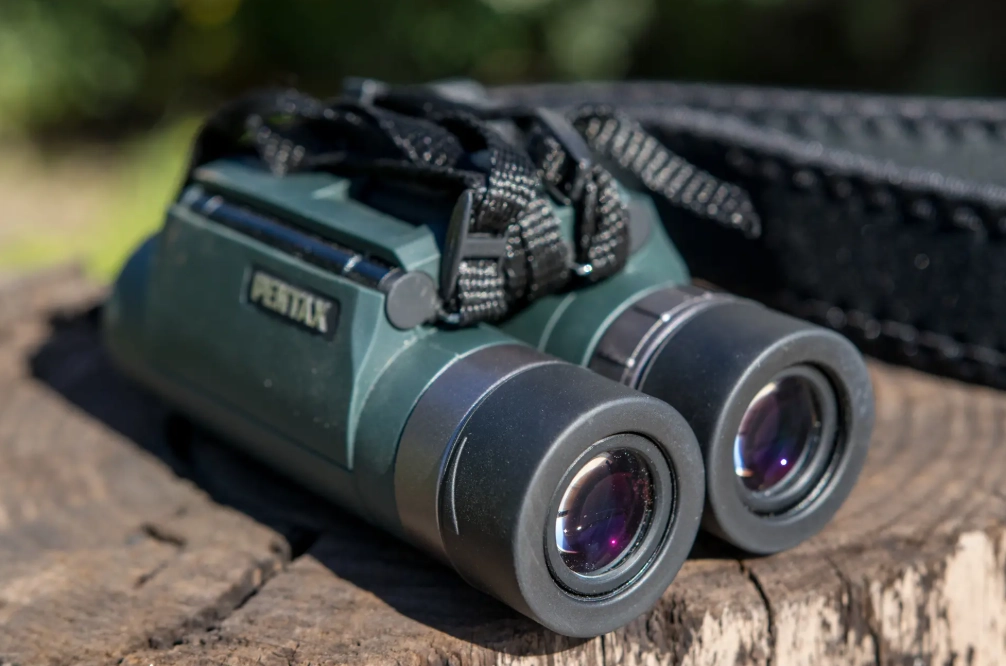
What's Inside: Your Quick Route to the Right Pair
Why Small Binoculars Are a Game-Changer for Birders
For years, I lugged around a pair of 8x42s. They were great... until they weren't. On a trip to Costa Rica, hiking through humid rainforests, the weight became a real distraction. I missed quick movements in the canopy because bringing the binoculars up felt like a chore. Switching to a quality compact pair changed everything.
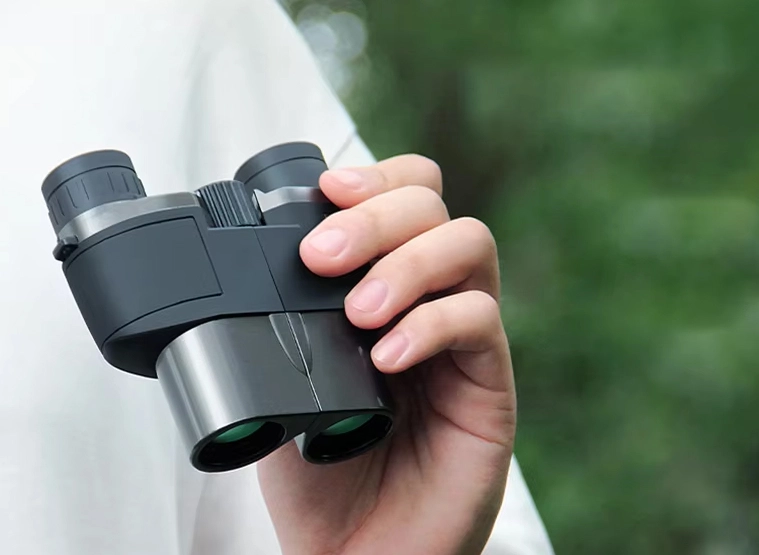
The primary advantage is sheer portability. A good compact binocular can weigh half as much as a standard model. You can slip it into a jacket pocket, a small sling bag, or even a large cargo pants pocket. This means you always have them with you. The bird that flits across the backyard, the hawk perched on a distant lamp post during your city walk – you're ready.
Then there's hand fatigue. Or rather, the lack of it. Smaller, lighter binoculars are easier to hold steady for extended periods. This reduces shake, which is critical for seeing fine details on a warbler's face or a sparrow's streaking. Less weight also means less strain on your neck and shoulders during all-day birding festivals or long hikes.
A quick note on compromise: Choosing compact binoculars is about finding the sweet spot. You are trading some light-gathering capability (which affects performance in very low light like dawn or dense forest understory) for portability. The best models minimize this trade-off brilliantly. For 90% of daytime birding, a top-tier compact is more than capable.
How to Choose Compact Birding Binoculars: The 5 Key Specs
Don't just buy the smallest pair you can find. Understanding these specs will help you pick a tool, not a toy.
1. Magnification and Objective Lens Size: The 8x25 vs. 10x28 Debate
You'll see numbers like 8x25. The first number (8x) is magnification. The second (25) is the diameter of the front lenses in millimeters. For compacts, 8x is generally better than 10x. Higher magnification amplifies hand shake, and in a small, light body, that makes the image jittery. 8x gives you a wider, more stable view, which is easier for finding and tracking birds.
An 8x25 or 8x32 compact is the sweet spot. A 10x25 can work if you have very steady hands or primarily use it from a stationary spot, but for most walking birding, 8x wins.
2. Field of View: The "Finding" Metric
This is how wide an area you see at a distance, usually in feet at 1000 yards. A wider field of view (e.g., 400+ ft) is a massive advantage. It lets you scan tree lines quickly, follow fast-flying swallows, and locate birds in dense brush more easily. Some compacts sacrifice field of view – prioritize models that keep it wide.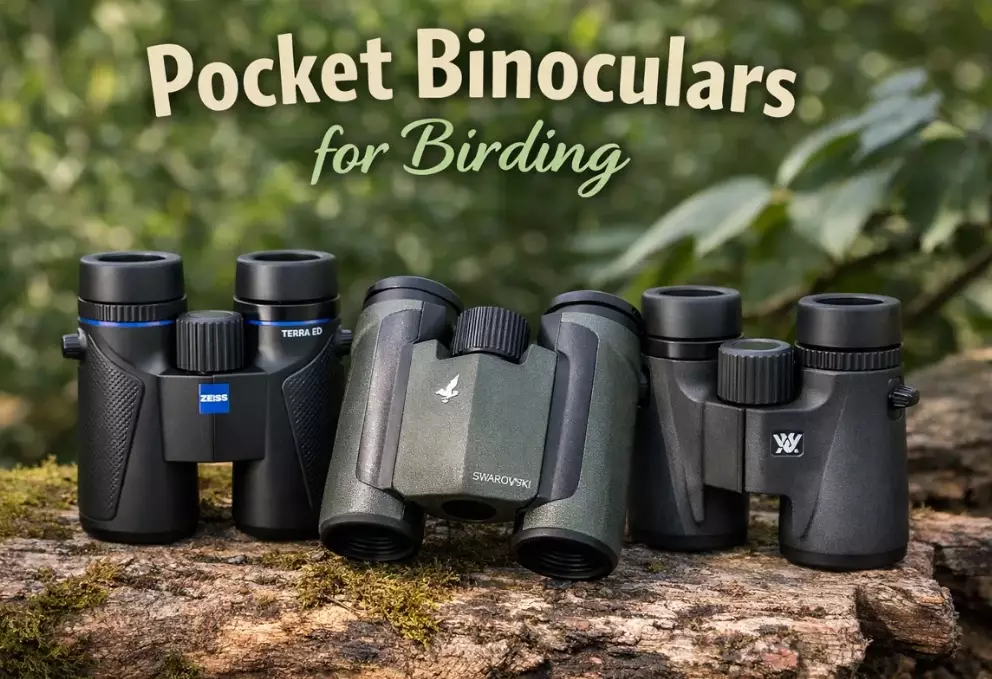
3. Close Focus Distance
This is rarely talked about but incredibly useful. Can your binoculars focus on a butterfly 6 feet away? Many full-size binoculars have a close focus of 10-15 feet. Good compacts often focus down to 6 feet or less. This opens up a world of detail on insects, flowers, and of course, very close, confiding birds.
4. Optical Quality: Coatings are King
This is where price separates contenders from pretenders. Look for terms like fully multi-coated or dielectric prism coating. These high-end coatings maximize light transmission, giving you a brighter, sharper, more color-neutral image. In a small lens, every photon counts. Skimp here, and the image will look dark and dull.
5. Build Quality and Ergonomics
Is it waterproof and nitrogen-purged (fog-proof)? For birding in any weather, this is non-negotiable. How does it feel in your hands? Do the focus wheel and diopter adjustment work smoothly? The focus should be fast and precise – birds don't wait.
Top Compact Models Compared: Real-World Performance
Based on years of use and recommendations from trusted sources like the Cornell Lab of Ornithology's gear guides, here are the models that consistently deliver. This table cuts to the chase.
| Model & Specs | Key Strengths | Considerations | Best For |
|---|---|---|---|
| Zeiss Victory Pocket 8x25 Weight: 10.6 oz |
Unmatched sharpness & color fidelity. Feels like a full-size view. Exceptional build. | Premium price tag. The focus wheel is very smooth but some find it almost too sensitive. | The birder who refuses to compromise on optical quality, regardless of size. |
| Swarovski CL Curio 7x21 Weight: 8.5 oz |
Incredibly tiny & lightweight. 7x offers supremely stable, wide views. Luxury feel. | Lower magnification (7x). Very small exit pupil, requires precise eye placement. | Ultimate pocketability for travel, backpacking, or as a constant secondary pair. |
| Nikon Monarch M7 8x30 Weight: 15.3 oz |
Excellent value "bridge" size. Brighter than 25mm models. Great all-around performer. | Not as pocketable as a true compact. Heavier than the others listed. | Birders wanting near-full-size performance in a more manageable package. |
| Vortex Vanquish 8x26 Weight: 12.3 oz |
Strong performance at a mid-range price. Fantastic Vortex VIP warranty. | Field of view is good, not great. Eyecups could be more robust. | Value-conscious birders needing reliable, waterproof optics with great support. |
| Kowa BD II 6.5x32 Weight: 17.6 oz |
Unique wide-field viewfinder feel. Very bright. Superb for forests & scanning. | Low magnification (6.5x). Larger than typical compacts. | Birding in dense habitat (woods, wetlands) where finding birds fast is key. |
My personal daily carry is the Zeiss Victory Pocket. The price stung, but five years on, I've never regretted it. The image is so crisp it makes identifying distant raptor feather details possible. For a more budget-friendly option that still performs admirably, the Vortex Vanquish is hard to beat, especially with their unbeatable repair/replace warranty.
One model not in the table that deserves a mention: the Leica Ultravid 8x20. It's a masterpiece of engineering, incredibly compact, but the tiny eyepieces can be finicky for those who wear glasses. Try before you buy if you can.
Your Compact Binocular Questions, Answered
 Are expensive compact binoculars worth it, or are they just a status symbol?
 Finding the best small birding binoculars is about aligning optics with your lifestyle. If you value freedom, comfort, and having a capable tool always within reach, a high-quality compact will transform your birding. It won't replace a full-size binocular for every dedicated outing, but it will become the pair you reach for most often. Look through a few, feel the weight in your hands, and imagine having that view in your pocket on your next walk. That's the real test.
Reader Comments