Your phone's microphone is terrible for recording birds. It's designed for human voices up close, not a distant warbler in a windy forest. If you've ever tried and been disappointed by a muddy, noisy recording, you know what I mean. Getting clean, usable bird audio requires the right tool and a shift in technique. This guide cuts through the noise. I've spent over a decade recording wildlife, and here I'll show you exactly how to choose a microphone for bird recording and the fieldcraft that makes the difference between a forgetable clip and an archive-quality soundscape.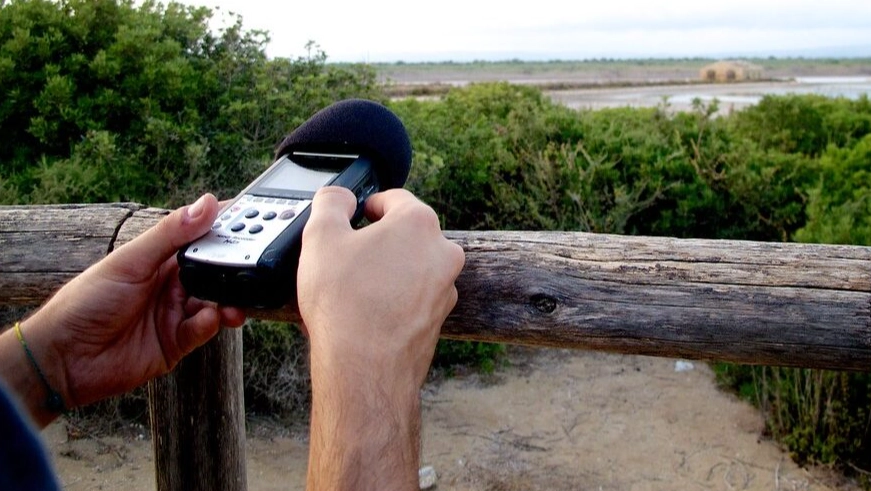
What's Inside This Guide
Why Your Smartphone Mic Isn't Enough
Let's be clear. Using your phone's built-in mic for serious bird recording is like using binoculars made from bottle bottoms. They might show you a blurry shape, but you'll miss all the detail. The primary issue is directionality and self-noise. Phone mics are omnidirectional, meaning they pick up everything equally—the rustle of your clothes, your breathing, the traffic half a mile away, all while struggling to amplify the faint bird song you actually want.
A dedicated microphone provides focus. It rejects sound from the sides and rear, homing in on your subject. It also has a lower noise floor, meaning the electronic hiss you hear when amplifying a quiet sound is much reduced. The difference isn't subtle. It's the difference between documenting a behavior and capturing a barely recognizable tweet.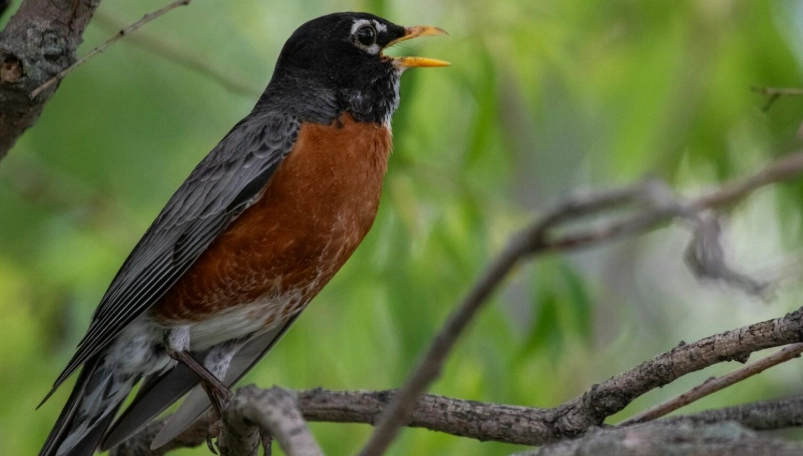
How to Choose the Right Microphone for Bird Recording
This is where most people get stuck. The options seem endless. The key is to match the microphone to your primary recording scenario and budget. There are three main types that matter for birders.
Microphone Type Breakdown: Pros, Cons & Best Uses
| Microphone Type | How It Works | Best For | A Key Limitation | Example Model (Entry) |
|---|---|---|---|---|
| Shotgun Microphone | Highly directional, picks up sound from a narrow cone in front. Rejects side noise. | Targeting a specific bird in moderate range. Video pairing. Forest & edge habitats. | Can sound "hollow" or thin if the bird is very close. Susceptible to wind. | Rode VideoMic NTG |
| Parabolic Reflector | Uses a dish to collect and focus sound waves onto a small mic element. Extreme directionality. | Distant birds. Capturing faint or high-frequency songs (e.g., warblers). Open fields, wetlands. | Bulky to carry. Creates a distinctive, slightly "tinny" colorization of the sound. | Wildtronics Pro Mono |
| Stereo Pair (Omni/XY) | Two mics capturing a realistic stereo image of the sound environment. | Dawn chorus, soundscapes, ambient forest noise. Immersive recordings. | Less effective at isolating a single bird. Picks up all ambient noise. | Zoom H1n (built-in XY) |
My personal workhorse for general birding is a shotgun mic. It's the best compromise of portability, directionality, and sound quality. I made the mistake early on of buying a cheap parabolic from a photo website—the build quality was flimsy and it amplified handling noise terribly. You don't need to learn that lesson the hard way.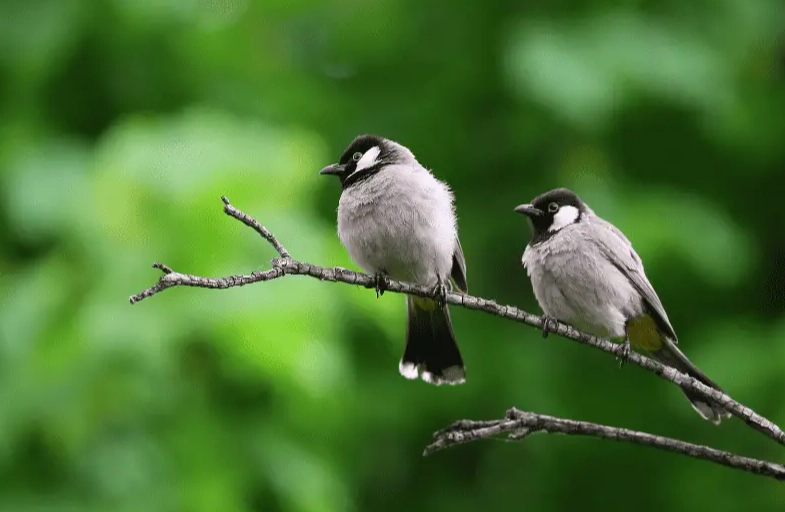
Don't overlook the recorder. A microphone needs something to plug into. A dedicated handheld recorder like a Zoom H4n Pro or Tascam DR-40X offers better preamps (quieter amplification) and more robust controls than a phone adapter. The built-in mics on these are often a great starting point.
Essential Field Recording Techniques
Great gear is useless without the right technique. This is where the real art lies. It's part patience, part physics.
Get Your Settings Right First. Always record in WAV format, not MP3. Set your gain (input level) so the loudest expected sound (like a nearby crow call) doesn't hit the maximum and distort. It's better to record a bit too quiet and amplify later than to have a clipped, ruined recording. I set my levels so the meter dances between -12dB and -6dB for typical song.
Positioning: The 80/20 Rule
80% of your recording quality comes from where you stand. Get close, but not so close you scare the bird. Use vegetation as a baffle between you and background noise sources like roads. If there's wind, always, always position yourself so the wind is at your back. The microphone should be behind you, using your body as a windbreak.
Here's a subtle mistake I see constantly: people point the mic directly at the bird from 100 meters away. With a shotgun mic, you often get better results by getting closer to the bird's perch and aiming the mic at the perch from a 45-degree angle, minimizing the amount of open air (and wind) the sound travels through.
The Wind Problem. Wind is the enemy. A fluffy "deadcat" windshield is non-negotiable outdoors. Even a light breeze sounds like a hurricane on an unprotected mic. For shotguns, get the biggest, furriest windshield that fits. For parabolics, a full foam cover is essential.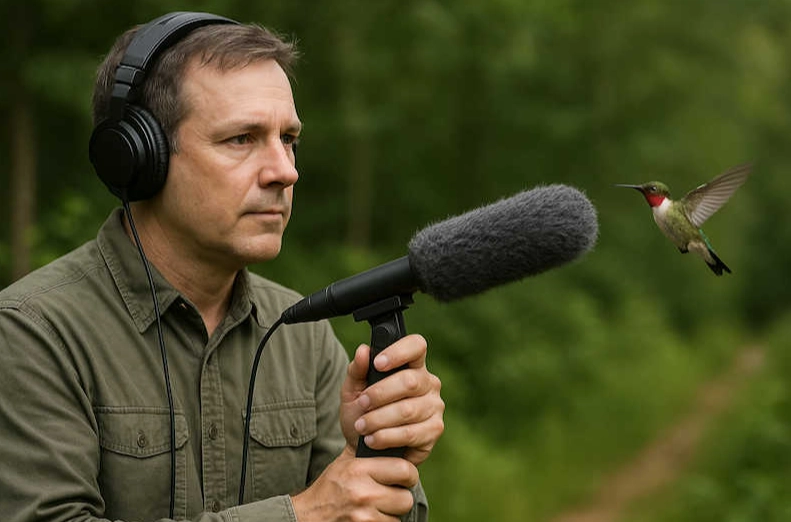
Listening vs. Recording
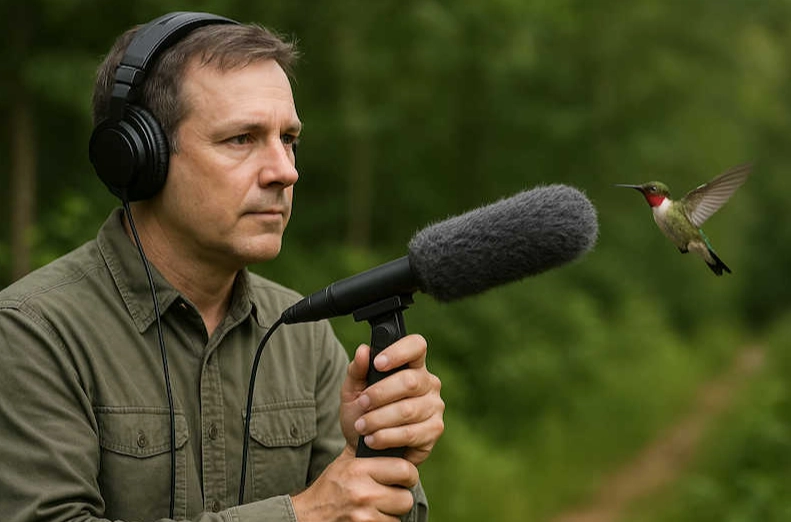
This changed my approach. Put on closed-back headphones connected to your recorder while you record. You hear exactly what the mic hears. You'll instantly notice a plane you didn't hear with your ears, or the rustle of your jacket against the tripod leg. It turns recording from a guessing game into an active process.
What to Do After You Hit Record
You've captured your audio. Now what? Organization and light editing are crucial.
File Management is Boring, Critical. Rename your files immediately. "2024-05-27_YellowWarbler_DawnSong_Location.wav" is infinitely better than "ZOOM0021.WAV". Use a folder structure by date and location. Trust me, future you will be grateful.
Basic Editing. You don't need to be a studio engineer. A free program like Audacity is enough. Your main tasks: trim silence from the start and end, normalize the volume (bring it to a standard loudness), and apply a gentle high-pass filter. A high-pass filter at around 80-100Hz cuts out that constant, rumbling low-frequency noise from wind and distant traffic that you often don't notice until you listen back. It cleans up the recording dramatically.
Metadata is King. Embed information into the audio file itself. Species, location (GPS coordinates if you have them), date, time, habitat, recorder and mic used. This turns a random file into a scientific or archival asset. Software like Ocenaudio or even Audacity allows you to edit metadata.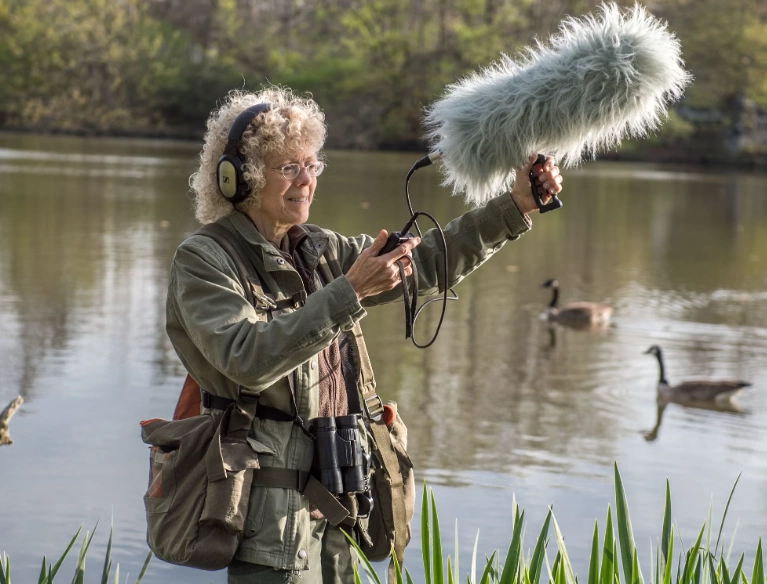
Your Bird Recording Questions Answered
Can I use my smartphone to record birds if I get an external microphone?
You can, and it's a decent first step. A plug-in shotgun mic like the Rode VideoMic Me-L will be a huge upgrade. The main limitation becomes the phone's audio preamp, which can be noisier than a dedicated recorder. Also, phone apps often limit you to MP3 or lower-quality recording modes. Check your app settings—you need one that allows WAV recording at 48kHz/24-bit.
Is a parabolic microphone really worth the hassle and cost for a beginner?
For a pure beginner, I usually say no. They have a steep learning curve—aiming them precisely is a skill, and they sound strange to the untrained ear. Start with a handheld recorder with built-in mics or a shotgun. If you find yourself constantly frustrated because the birds are too far away and your recordings are full of ambient noise, then consider a parabolic. It solves a specific problem of distance.
 How do I deal with loud background insects or frogs when recording a bird?
You often can't eliminate them, but you can minimize them. First, get closer to the bird to improve your signal-to-noise ratio. Second, use the directionality of your mic—position the null points (the sides of a shotgun mic) towards the loudest insect chorus. Sometimes, you just have to accept it as part of the soundscape or wait for a different time of day. A parametric EQ in editing can sometimes reduce a dominant insect frequency if it doesn't overlap too much with the bird's song.
What's the one piece of advice you'd give someone buying their first microphone for bird sounds?
Prioritize a good windshield over a slightly better microphone. A $300 mic with a $50 deadcat will sound better in the field than a $350 mic with a $10 foam cover. Environmental noise—especially wind—is the number one destroyer of field recordings. Buy the best wind protection you can for your chosen mic, every time.
Reader Comments