You're standing at the edge of a marsh at dawn, and a blur of movement catches your eye in the distant reeds. Is it a common yellowthroat or something more unusual? The difference between a memorable sighting and a frustrating guess often comes down to the tool in your hands. So, what binoculars do birders actually prefer? The short answer isn't one specific model, but a category defined by a sweet spot of magnification, light gathering, and portability—typically an 8x42 or 10x42 roof prism binocular. But that's just the starting point. Having spent over a decade guiding birding trips and testing gear, I've seen too many beginners buy the wrong pair based on marketing hype or a single spec. Let's cut through the noise and talk about what really matters when you're trying to track a warbler in a leafy canopy.
What's in this guide?
The #1 Mistake New Birders Make with Binoculars
They get obsessed with magnification. "12x must be better than 8x, right?" Not for birding. Higher magnification (like 12x or more) makes the image shakier unless you're using a tripod, narrows your field of view making it harder to find the bird, and often results in a dimmer image. It's a recipe for a headache, literally and figuratively. The preferred birding magnifications are 8x and 10x. An 8x gives you a wider, brighter view and is easier to hold steady—perfect for forests and active songbirds. A 10x pulls you closer for more detail on distant waterfowl or shorebirds, but requires a steadier hand. Most seasoned birders I know, myself included, use 8x42 as their daily driver because the ease of use beats the extra reach.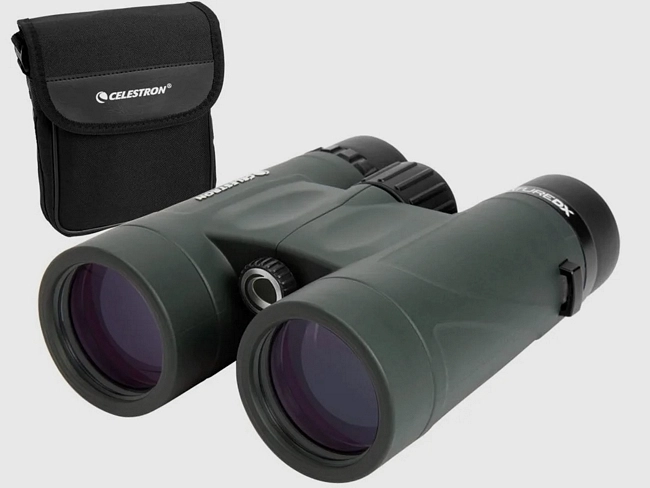
The 5 Binocular Specs Birders Care About Most (Forget the Rest)
When you're comparing models, focus on these. Everything else is secondary.
2. Field of View (FOV): Measured in feet at 1000 yards or degrees. A wider FOV (e.g., 400+ ft) lets you scan large areas quickly and follow fast-moving birds more easily. Don't sacrifice too much width for magnification.
3. Close Focus Distance: Can your binoculars focus on a butterfly 6 feet away? Many birds, like warblers, can be surprisingly close. A close focus under 10 feet is a huge asset that many budget models fail at.
4. Eye Relief: The distance from the eyepiece lens to your eye where you still see the full image. If you wear glasses, you need long eye relief (15mm+). This is non-negotiable. You'll miss the entire field of view if it's too short.
5. Weight & Ergonomics: You'll be holding these for hours. An extra 3 ounces feels like a brick by lunchtime. Rubber armoring should provide a secure, comfortable grip, not just look tactical.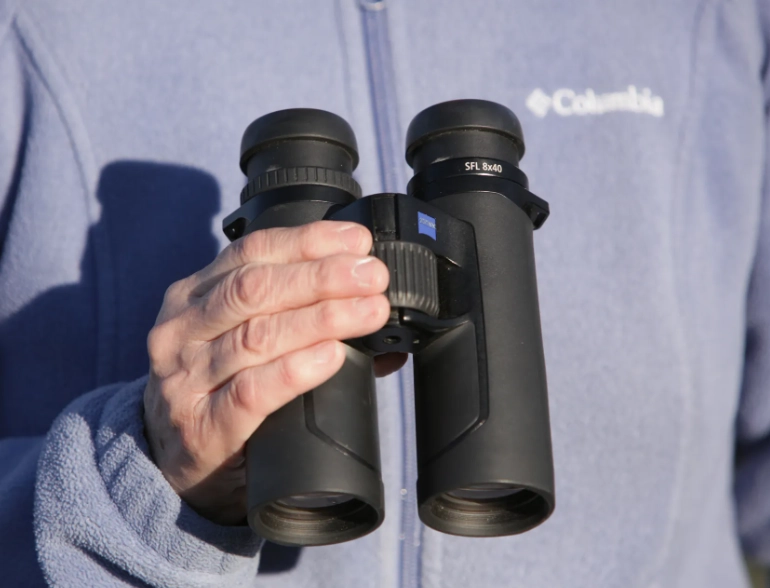
What Birders Prefer: Top Picks for Every Level & Budget
Based on forums, guide recommendations, and my own field use, here are the models that consistently come up. Think of this as what you'd see on a serious birder's neck.
| Category | Model Examples | Why Birders Like Them | Approx. Price |
|---|---|---|---|
| Entry-Level / Best Value | Nikon Prostaff P7, Vortex Diamondback HD | Surprisingly good optics for the money, durable, lifetime warranties (especially Vortex). The go-to "first real binocular" recommendation. | $200 - $350 |
| Mid-Range / Sweet Spot | Maven C.2, Kowa BD II XD, Zeiss Terra ED | Here's where you get a significant jump in optical clarity, color fidelity, and build quality. This is the permanent home for many avid hobbyists. | $500 - $900 |
| High-End / Birder's Dream | Swarovski EL, Zeiss Victory SF, Leica Noctivid | The pinnacle. Unmatched brightness, razor-sharp edge-to-edge clarity, and sublime handling. They make difficult, low-light identification feel effortless. | $2,500+ |
| Compact / Travel Favorite | Swarovski CL Curio, Leica Ultravid 8x20, Vortex Vanquish | Tiny enough for a jacket pocket or travel pack. Optics have improved massively. Perfect as a secondary pair or for hikes where weight is critical. | $300 - $1,200 |
Notice there's no "best." There's a best for you, based on your budget and birding style. A Vortex Diamondback at $250 will show you 95% of what a $3,000 Swarovski will. That last 5% is about color saturation in fading light and that "wow" factor—important to some, irrelevant to others.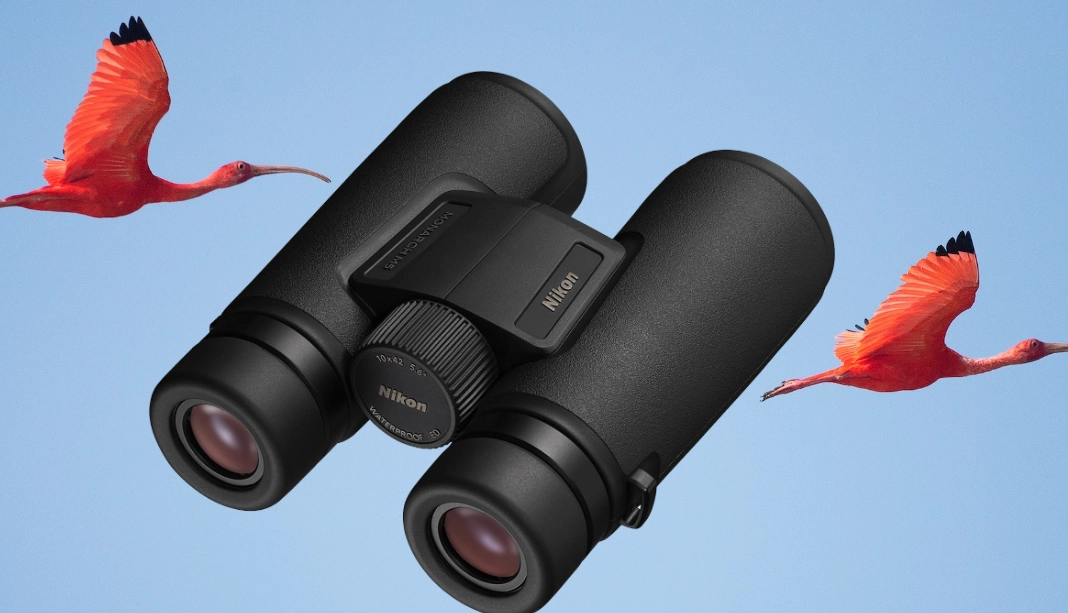
How to Choose Your Perfect Pair: A Practical Framework
Don't just buy the top-rated one online. Ask yourself these questions.
Where and When Do You Bird Most?
Forests & Backyards (Close, Quick Birds): Prioritize wide field of view and fast close focus. An 8x32 or 8x42 is ideal here. You need to get on the bird fast before it flits away.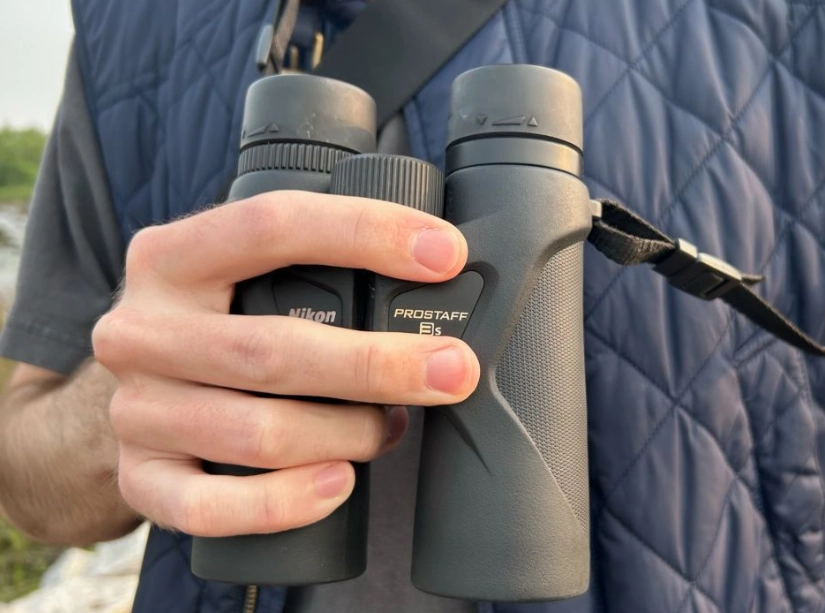
Open Water & Plains (Distant, Static Birds): Here, a 10x42 or 10x50 makes more sense. The extra magnification helps with ID details on distant ducks or raptors.
Low Light (Dawn/Dusk): Maximize light gathering. Stick with a 42mm or larger objective lens. This is where high-end glass really shines, pun intended.
What's Your Real Budget?
Allocate wisely. If you have $500, spend $450 on the binoculars and $50 on a good strap. Don't spend $400 on binoculars and $100 on accessories you don't need yet. The optics are what you're buying.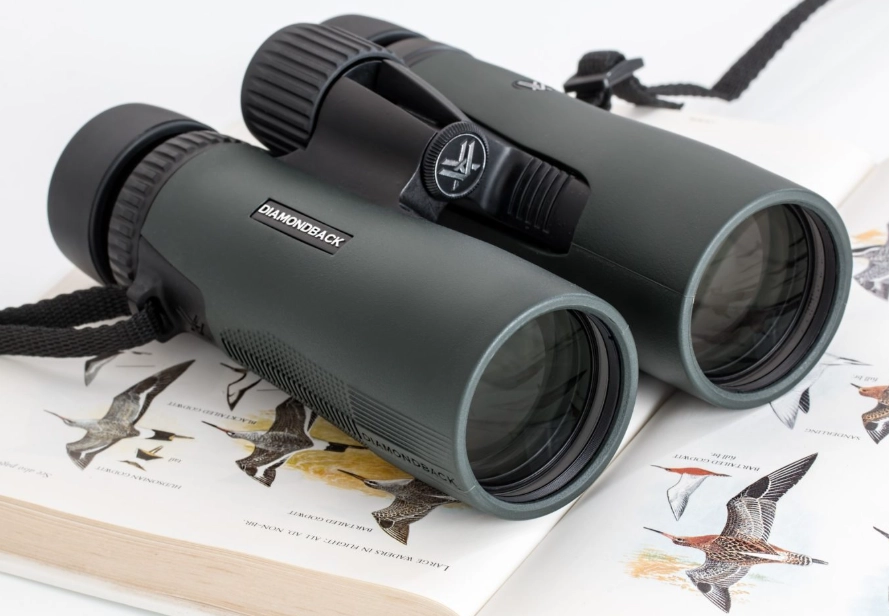
The Hands-On Test is Non-Negotiable
If possible, visit a store. Do this:
- Adjust the diopter (usually on the right eyepiece) for your eyes.
- Focus on a small, detailed object across the room. How fast and smooth is the focus wheel? Is it stiff or mushy?
- Check the eye cups. Do they twist up or fold down? Do they hold their position?
- Just hold them. Do they feel balanced? Can you reach the focus wheel comfortably?
I once bought a highly-reviewed model online that had a focus wheel positioned exactly where my middle finger rested. I was constantly defocusing it. A two-minute store test would have revealed that.
Pro Tips You Won't Find in the Manual
After years in the field, here are the subtle things that separate good gear from good experiences.
The Armoring Texture Matters. Some rubber is too slick when your hands are damp with morning dew. Others are too tacky and catch on clothing. Look for a fine, grippy texture.
Beware of the "Weatherproof" Myth. Most are nitrogen-purged to prevent fogging internally. But water on the lenses still ruins your view. A simple lens pen and a silica gel packet stored in your case are more practical for clearing moisture than any marketing claim.
Focus Speed is a Personal Rhythm. Some birds move in predictable bursts. Practice focusing on a stationary object, then quickly to one a different distance away. You want a focus wheel with just enough resistance to be precise, not sluggish.
My personal quirk? I slightly prefer a focus wheel that turns counter-clockwise to bring objects closer. It feels more intuitive to me. Some brands do the opposite. It's a tiny thing that becomes muscle memory.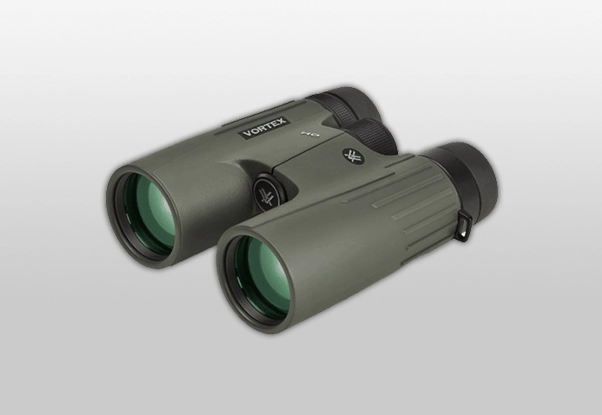
Your Binocular Questions, Answered
So, what binoculars do birders prefer? They prefer the pair that feels like an extension of their eyes—one that disappears in the hand and brings the vivid detail of the avian world into sharp, bright, effortless focus. It's less about a brand name and more about the specs that match your world. Start with 8x42, set a realistic budget, get your hands on a few, and don't overthink the magnification. Now get out there. The birds aren't going to identify themselves.
Reader Comments