If you've ever dragged yourself out of bed before sunrise for a bird walk, you know the magic. The air is cool, the world is quiet, and then it starts – a symphony of chirps, whistles, and songs. That's the classic answer to "what time are birds most active?" Dawn. But as someone who's spent over a decade with binoculars in hand, I can tell you that fixating solely on that first hour of light is the biggest mistake beginners make. You'll miss half the show.
The real answer is more nuanced, and understanding it will transform your birding success. Peak activity is a dance between biology, season, weather, and even location. Getting it right means more species, better views, and less frustration. Let's cut through the oversimplified advice and look at what actually drives bird activity around the clock.
Your Quick Birding Schedule
Why Dawn is (Usually) King: The Science of the Morning Chorus
Let's give credit where it's due. The period from about 30 minutes before sunrise to 2 hours after is, for most songbirds in most places, the absolute peak. Ornithologists call this the dawn chorus. The reasons are a perfect storm of evolutionary advantages.
Light and Visibility: It's light enough to see and forage, but still dim enough to offer some cover from predators like hawks that hunt better in full daylight.
Temperature and Energy: The night has cooled insects down, making them slower and easier to catch. For birds, breakfast is literally on the menu. Furthermore, after a long night without eating, birds have depleted energy reserves and are driven to refuel immediately.
The Communication Window: This is the big one many guides gloss over. The calm, cool morning air carries sound farther and with less distortion. For male birds, this is prime real estate for singing to defend their territory and attract mates. It's like everyone has agreed to hold their important meetings at the same time. The Cornell Lab of Ornithology has extensive research on how atmospheric conditions affect bird song transmission, making dawn the most efficient time for this critical activity.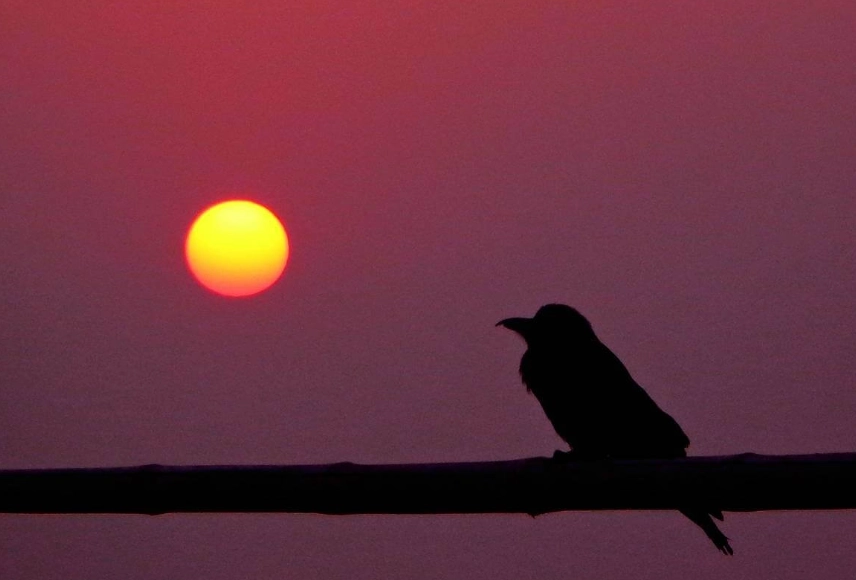
Pro Tip You Won't Hear Often: The "dawn" window isn't uniform. In dense, dark forests, the chorus might start later and last shorter because light penetrates slower. In open grasslands or wetlands, it can start earlier and be more intense. I've stood in a misty marsh where the red-winged blackbirds started going nuts a full 45 minutes before official sunrise, while in a deep pine forest, things stayed quiet until the sun was well above the horizon.
The Full Daily Activity Timeline: Beyond the Morning Rush
Birds don't just sing at dawn and vanish. Their day follows a rhythm of feeding, resting, and more feeding. Here’s a breakdown of what to expect and, crucially, what you can target at different times.
| Time Window | Activity Level | What's Happening & What You'll See | Best For... |
|---|---|---|---|
| Pre-dawn to +2 hrs (Dawn Chorus) |
PEAK | Maximum singing, intense foraging, territorial displays. Highest species diversity and vocal activity. | Songbird identification by sound, witnessing peak behavior, photography in soft light. |
| Late Morning (~10 AM - 2 PM) |
LOW | The "lull." Birds are often quiet, resting in shade, digesting food. Overhead raptor thermals may start. | Spotting birds of prey (hawks, eagles) soaring on rising warm air, looking for water sources. |
| Afternoon (~2 PM - 5 PM) |
MODERATE | Second foraging peak begins. Less singing, more focused feeding to replenish energy for the night. | Observing feeding behaviors, family groups, birds at feeders or berry bushes. |
| Late Afternoon to Dusk (Pre-roost) |
HIGH | Final feeding frenzy. Gathering at communal roosts. Some evening song (like robins). | Seeing large flocks (starlings, blackbirds) gather, waterfowl activity, owl wake-up calls. |
| Night | SPECIALIZED | Diurnal birds sleep. Nocturnal birds (owls, nightjars) are active. Migration happens under cover of darkness. | Owling, listening for nocturnal calls, understanding migration patterns via radar (like on BirdCast). |
That afternoon lull is where people get bored and leave. Don't. This is when you shift tactics. Look for movement in shady thickets. Sit quietly by a water drip or bird bath – the midday heat drives everyone to drink. I've had my best views of shy thrushes and warblers not at dawn, but at 1 PM, when they were forced to come to a secluded water source.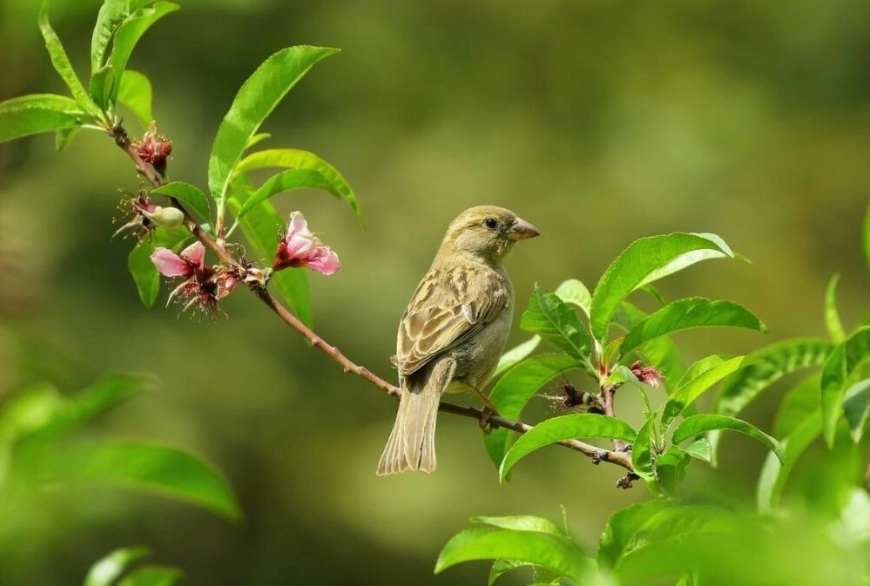
How Seasons Change the Rules Completely
Asking "what time are birds most active?" in July gets a different answer than in October. Seasonality overrides the daily clock.
Spring: The All-Day Marathon
This is birding's Super Bowl. Migration is in full swing, and birds are establishing territories and nesting. The dawn chorus is longest and loudest. But crucially, activity stays high all day. Migrants are desperate to feed, and residents are busy with courtship. You can have productive birding from sunup to sundown. I've seen more warbler species at 11 AM in May than at dawn in August.
Summer: The Early & Late Shift
Heat is the enemy. In hot climates, activity compresses into early morning and late evening. The midday lull is severe. Nesting duties also mean parents are constantly foraging for hungry chicks, so you might see frantic activity near nests outside the classic dawn window.
Fall & Winter: Follow the Sun (and the Food)
The rules relax. With no breeding urgency, birds become more opportunistic. Their activity is tightly linked to temperature and food availability. On a cold winter morning, they may not stir until an hour or two after sunrise when it warms up a bit. A sunny, sheltered slope will have more activity than a shaded valley. In winter, the best time is often the warmest part of the day, from late morning to mid-afternoon.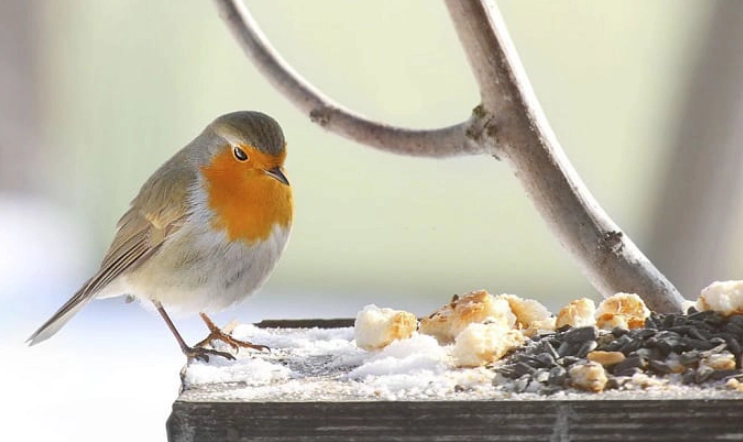
A Common Misstep: Birders visiting a new area in winter often stick to the "dawn only" rule and miss out. In my experience leading winter bird walks, we consistently see more activity and happier participants when we start at 9:30 AM instead of 6:30 AM. The birds are simply waiting for the frost to melt.
How to Plan Your Perfect Outing: A Practical Framework
Let's make this actionable. Here’s how I plan a birding trip, considering all the variables.
Step 1: Check the Season & Weather.
Is it spring migration? Block out the whole morning. Is it a 95-degree July day? Plan for 6-10 AM only. Is a cold front moving through tonight? Tomorrow morning could be spectacular, as grounded migrants feed heavily.
Step 2: Define Your Target.
What do you want? Songbird songs? Be there at dawn. Raptors? Late morning. Waterfowl or shorebirds? Their tides are often more important than the sun – check tide charts for estuaries and coasts.
Step 3: Choose Your Location Intelligently.
Different habitats have different clocks.
Forests & Woodlands: Stick close to the dawn chorus. Light fades fast.
Wetlands & Marshes: Excellent at dawn, but also great late afternoon as herons, egrets, and ducks become active.
Open Country & Grasslands: Good all morning. Raptor activity picks up as the ground warms.
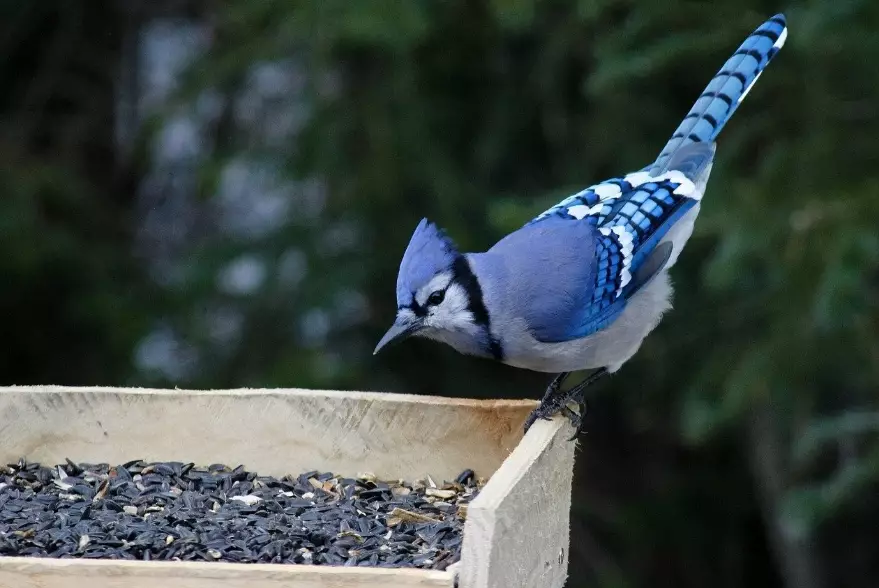
Your Own Backyard: You have the luxury of constant observation. Note when your regulars appear. You'll see a micro-version of these rhythms at your feeder.
Step 4: Pack for the Shift.
Dawn birding needs layers and a flashlight. Midday birding needs sun protection, extra water, and patience. Evening birding needs insect repellent.
The goal isn't to be there at one mythical "best" time. It's to align your expectations and efforts with the biological reality of the birds you're seeking.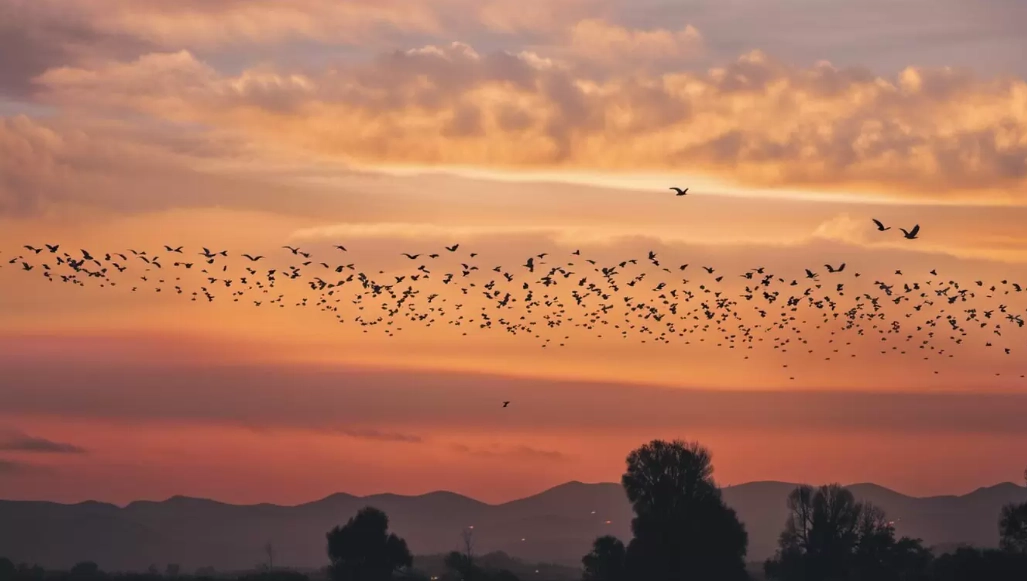
Your Birding Timing Questions Answered
 Does bad weather mean birds are less active?
 So, what time are birds most active? Dawn holds the crown, but it's a shared monarchy with dusk, moderated by the parliament of seasons. The most successful birders are the ones who understand this fluid schedule. They know when to be silent at a forest's edge in the half-light, and when to scan the thermals high above a field at noon. They match their watch to the internal clocks of feathers and song. Now you can too.
Grab your binoculars, check the weather, and go see what's happening. There's always something, you just have to be there at the right time.
Reader Comments