Let's cut to the chase. You're here because you want to know where the birds are in Ohio. Not just any birds, but the good stuff—warblers dripping from spring branches, shorebirds probing mudflats, raptors soaring over autumn ridges. I've spent countless dawns in Ohio's marshes and forests, and I can tell you this state punches far above its weight for bird diversity. Forget the idea that you need to travel to exotic locales. Some of the most thrilling birding spectacles in North America happen right here, often within a few hours' drive.
This isn't just a list of places. It's a roadmap built on local knowledge, the kind you usually only get from chatting up a seasoned birder in a parking lot at 6 AM. We'll cover the iconic spots, sure, but also the when, the how, and the little secrets that turn a good day into a great one.
Your Quick Guide to Ohio Birding
Why Ohio is a Birder's Paradise
Geography is destiny. Ohio sits at a critical crossroads. To the north, you have Lake Erie, a massive inland sea that acts as a migration superhighway and a barrier. Birds funnel along its coast, creating concentration points that are simply staggering. The lake's western basin, with its vast marshes, is globally significant for waterfowl and shorebirds.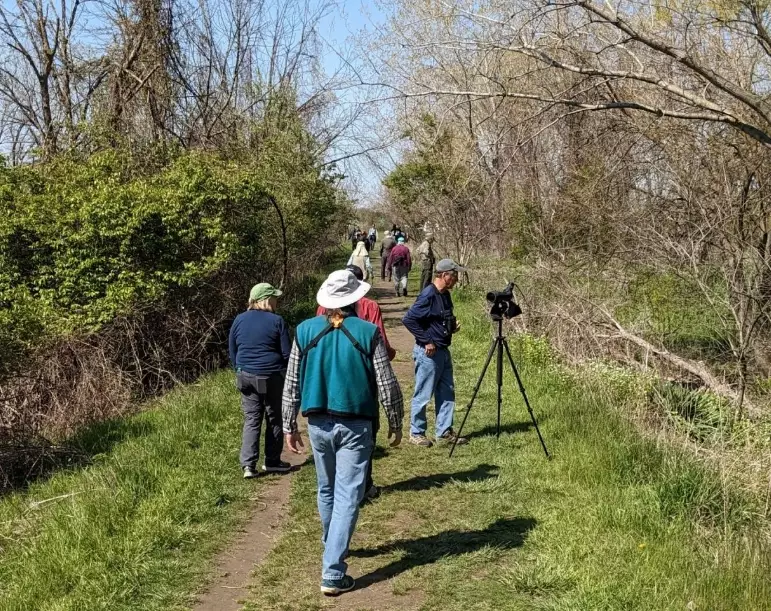
Then look at the land. The state is a patchwork of eastern deciduous forest, reclaimed grasslands, river corridors, and Appalachian foothills in the southeast. This variety means habitat for a huge range of species. You can chase prairie birds like Henslow's Sparrow in the morning and be listening for Cerulean Warblers in mature woodlands by the afternoon.
The data backs it up. Over 430 bird species have been recorded in Ohio. The spring warbler migration along Lake Erie is legendary, with days yielding 30+ warbler species possible. In winter, the lake often stays open, attracting rare gulls, waterfowl, and even the occasional Snowy Owl.
But here's the non-consensus part everyone misses: Ohio's birding isn't just about the mega-sites. The real magic often happens in the county parks, the small state nature preserves, and even suburban green spaces during peak migration. The birds have to land somewhere, and they don't all read the guidebooks about Magee Marsh.
Top 5 Must-Visit Ohio Birding Hotspots
These are the heavy hitters, the places with the track record and infrastructure to deliver consistently great birding. Treat this as your core itinerary.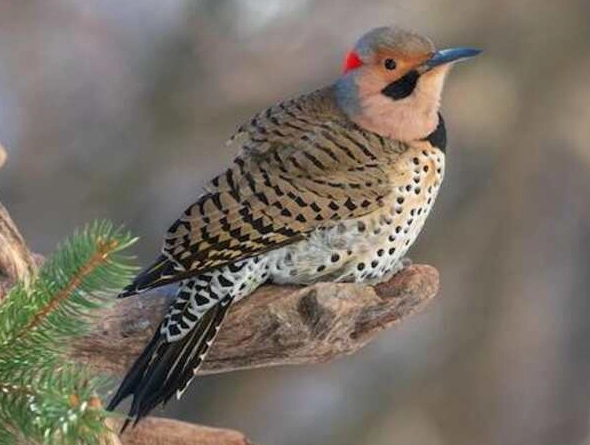
| Hotspot | Key Location & Address | Prime Season & Target Birds | Fees & Hours | Pro Tip |
|---|---|---|---|---|
| Magee Marsh Wildlife Area | 13229 W. State Route 2, Oak Harbor, OH 43449. The famous "Bird Trail" boardwalk is the main event. | May (first two weeks) for warblers, vireos, thrushes. Also good for shorebirds (late summer) and waterfowl (spring/fall). | Free. Wildlife Area open 24/7. Boardwalk accessible dawn to dusk. Parking can fill by 8 AM on peak weekends. | Go on a weekday. If you must go on a weekend, be in the parking lot at sunrise. The crowds later are no joke. |
| Ottawa National Wildlife Refuge | 14000 W. State Route 2, Oak Harbor, OH 43449. Adjacent to Magee Marsh. | Spring and Fall migration for waterfowl, shorebirds, raptors. Driving tour offers expansive marsh views. | Free. Visitor center hours vary (check U.S. Fish & Wildlife Service site). Auto tour typically open sunrise to sunset. | Check if the auto tour route is open before you go. It closes for hunting and sometimes for water management. |
| Hocking Hills State Park | 19852 State Route 664 S, Logan, OH 43138. Focus on trails like Old Man's Cave and Conkle's Hollow. | Late April through June for breeding forest birds: Cerulean, Hooded, and Worm-eating Warblers, Louisiana Waterthrush. | Free park entry. Trails open dawn to dusk. Parking fills quickly on nice weekends—arrive early. | Bird the rim trails, not just the gorges. The hemlock-lined trails of Conkle's Hollow are particularly productive. |
| Killdeer Plains Wildlife Area | Near Harpster, OH. No single address; use areas along CR 115, CR 294 for access. | Winter (Dec-Feb) for Rough-legged Hawks, Short-eared Owls, Northern Harriers. Also good for grassland birds in summer. | Free. Open 24/7. Roads are gravel and can be muddy. | Visit the last hour of daylight to see Short-eared Owls hunting over the grasslands. Dress warmly—it's exposed and windy. |
| Headlands Beach State Park & Dike | 9601 Headlands Rd, Mentor, OH 44060. The breakwall (dike) extending into the lake is key. | Fall (Oct-Dec) for "lake watch": ducks, grebes, loons, gulls, jaegers. Spring for passerines in the beach woods. |
Free. Park open 6 AM to 11 PM. The dike is accessible but can be slippery and is exposed to weather. |
I need to say something about Magee. It's incredible. The warbler spectacle in May is something every birder should experience once. But it can feel like a birding carnival. The boardwalk gets packed. If you crave solitude, you might find it overwhelming. That's why pairing it with the nearby auto tour at Ottawa NWR is perfect—you get the intimate views on the boardwalk and the big-picture, wild feel from your car just down the road.
Hocking Hills is a different beast. It's less about rarities and more about atmosphere. Hearing a Cerulean Warbler's buzzy song echo through a deep, hemlock-shaded gorge at 7 AM is a spiritual experience. Just be prepared to share the trails with hikers. Go early.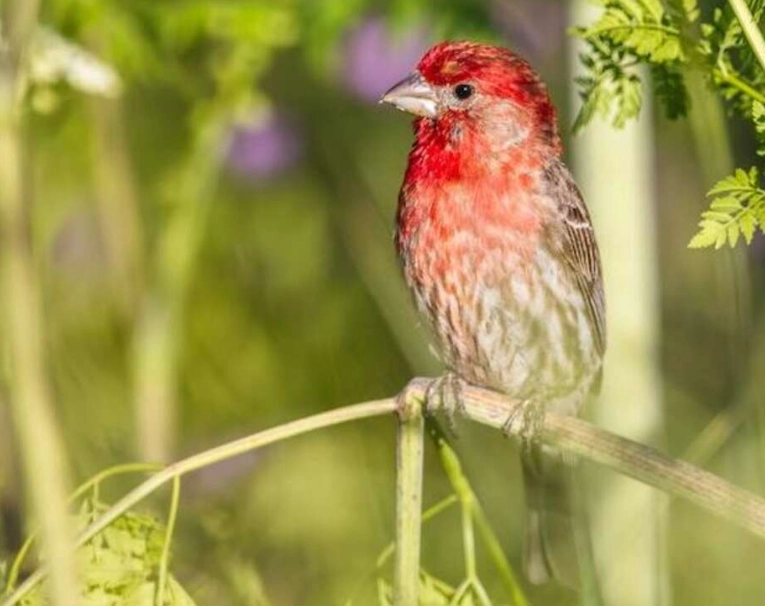
Getting Around the Lake Erie Hotspots
The stretch from Toledo to Sandusky, known as the Lake Erie Birding Trail, is dense with sites. Magee and Ottawa are the stars, but don't ignore Metzger Marsh (for shorebirds), Maumee Bay State Park (for varied habitat), and the Toledo waterfront (for winter gulls). You can easily base yourself in Port Clinton or Oregon for a multi-day trip.
How to Plan Your Ohio Birding Trip: A Pro's Checklist
Knowing the spots is half the battle. The other half is not screwing up the logistics. Here's what I've learned the hard way.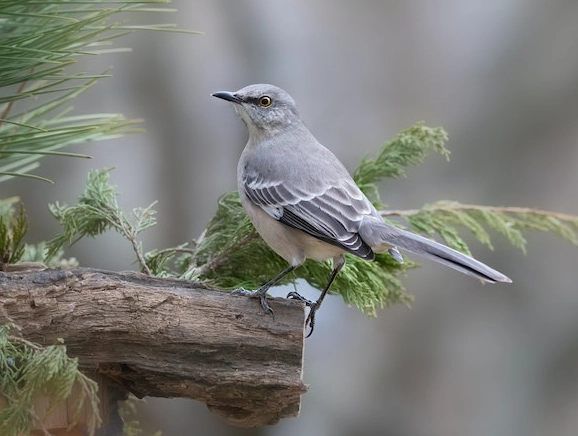
Timing is Everything: This is the biggest mistake I see. People show up at Magee in July expecting warblers. Research your target birds and their phenology. Want warblers? Aim for early to mid-May along the lake. Want shorebirds? Late August through September. Waterfowl? March-April and October-November. Winter specialties? January-February. The Ohio Ornithological Society's website often has helpful seasonal summaries.
Use the Tools: Don't fly blind. Check eBird's Ohio page for recent sightings at your target locations. It gives you a real-time pulse on what's being seen and where. The Audubon Bird Guide is a fantastic free resource for ID help and bird sounds.
Respect the Rules and the Land: Stay on marked trails, especially in sensitive marsh areas. Keep a respectful distance from birds, particularly nesting birds. Never use playback calls to attract birds in heavily birded public areas—it stresses them and annoys other birders. If you're driving the auto tours, pull completely off the road when you stop.
Let's talk about a specific scenario. Imagine you're planning a 3-day spring trip (early May).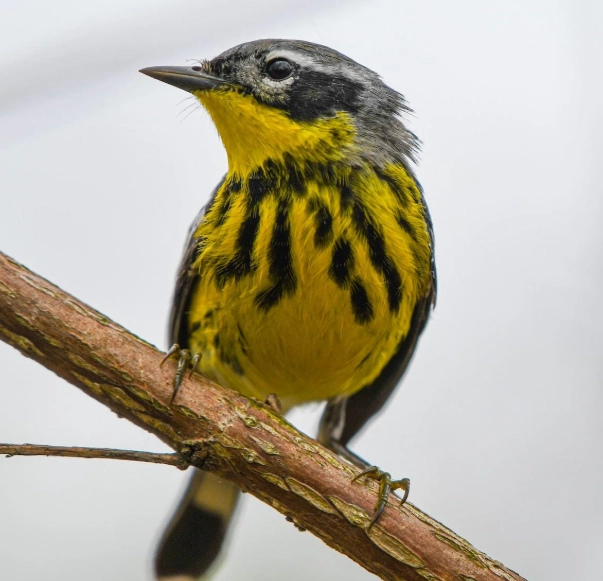
Day 1: Arrive the night before near Port Clinton. At dawn, head straight to the Magee Marsh boardwalk. Spend the morning there. Have lunch in your car (pack it!). Afternoon, drive the auto tour at Ottawa NWR. Check eBird for any rarities reported at nearby Metzger Marsh.
Day 2: Early start at Sheldon Marsh State Nature Preserve (another Lake Erie gem). Then head south towards Killdeer Plains to look for late migrant shorebirds and early grassland species. End the day driving towards Hocking Hills.
Day 3: Full morning birding the trails of Hocking Hills State Park, focusing on Conkle's Hollow and the quieter rim trails. Head home after lunch.
That itinerary gives you a stunning cross-section of Ohio's best habitats.
Beyond the Hotspots: Hidden Gems and Seasonal Secrets
If you only hit the top five, you'll have a great time. But the birders who really know Ohio have their little spots. Here are a few worth weaving in.
In the North: The Lorain Impoundment and the associated Black River Reservation can be excellent for waterbirds and passerines. It's less chaotic than the Magee area. In Cleveland, the Lake View Cemetery is surprisingly good for migrant songbirds—the mature trees act as an oasis.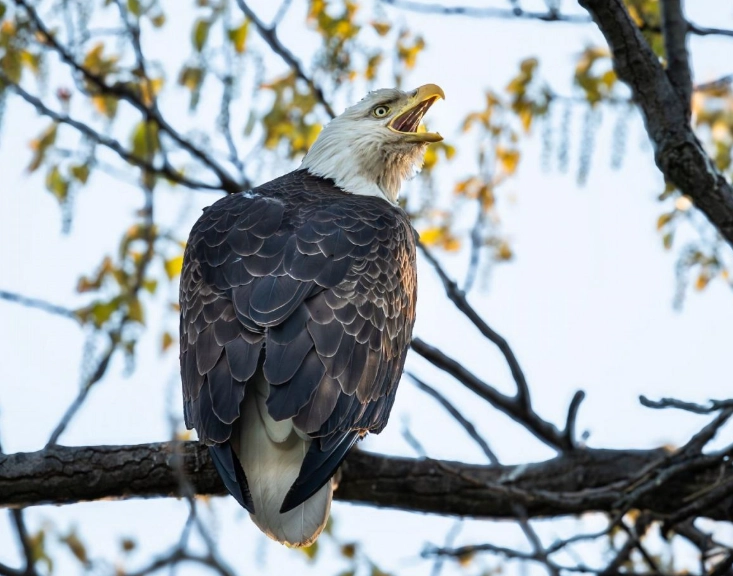
In the South: The Edge of Appalachia Preserve System in Adams County is phenomenal for breeding birds of the Appalachian foothills, like the Kentucky Warbler. Shawnee State Forest is another southern powerhouse, often called "Ohio's Little Smokies."
The Winter Lake Watch:
Headlands Dike is famous, but other spots like Fairport Harbor breakwall or the water intakes in Cleveland can be just as good for scoters, Long-tailed Ducks, and rare gulls. It's cold, windy, and miserable. It's also completely addictive. Bring a spotting scope if you have one.
One subtle error? People focus too much on the destination pin on the map. Sometimes, the best bird of the day is in a scrubby field or a small woodlot you pass on the way. Keep your eyes open. I found a stunning Golden-winged Warbler once in a 2-acre patch of trees between two cornfields, miles from any known hotspot.
Your Ohio Birding Questions Answered (FAQ)
The bottom line is this: Ohio's birding hotspots offer accessibility and variety that's hard to beat. With a little planning, the right expectations, and a willingness to explore beyond the famous boardwalks, you're set for an unforgettable birding adventure. Now get out there—the birds aren't going to find themselves.
Reader Comments