You've got your binoculars, you're itching to go, but you're staring at a blank calendar. Where do you even start? Scrolling through endless forum posts or relying on that one friend who "knows a spot" feels inefficient. This is where a proper birding hotspots map becomes your secret weapon. It's not just a digital picture; it's a dynamic, crowd-sourced intelligence report on where the birds are right now. I've planned hundreds of trips using these maps, from chasing a Kirtland's Warbler in Michigan to finding a reliable spot for Painted Buntings in Texas. Let me show you how to move from just looking at a map to confidently planning a successful, bird-filled outing.
Your Quick Guide to Birding Hotspots Maps
What Exactly is a Birding Hotspots Map?
Forget the static paper maps of old. A modern birding hotspots map is a live database visualized on a map. Think of it as a heatmap for bird activity. The "hotspots" are specific, publicly defined locations—like a particular boardwalk in a large marsh or a dedicated feeding station in a park—where birders consistently report their sightings. The real magic is in the data layers. These maps show you not just a dot on a map, but what species were seen there recently, how many, and the best time of year to find them. This transforms a vague idea like "go birding in Florida" into a precise plan: "Visit the Anhinga Trail in Everglades National Park at 7 AM in late January to see Purple Gallinules, Anhingas, and possibly a Snail Kite."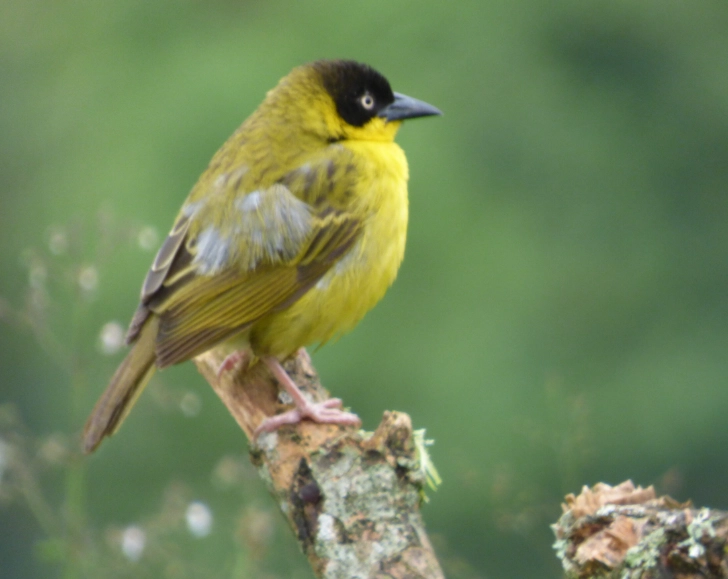
The Top Tools: eBird, Audubon & Beyond
Not all maps are created equal. Your choice depends on whether you're planning a major trip or a quick local outing.
eBird Hotspots Explorer: The Data Powerhouse
Run by the Cornell Lab of Ornithology, eBird's hotspot map is the industry standard for a reason. It taps into the world's largest citizen-science bird database. You can filter by species, date range, and region. The bar charts for each hotspot are gold—they show you the probability of seeing a specific bird in any given week of the year. The mobile app is seamless for logging your own sightings on the go, which then feeds back into the map. It's a virtuous cycle of data.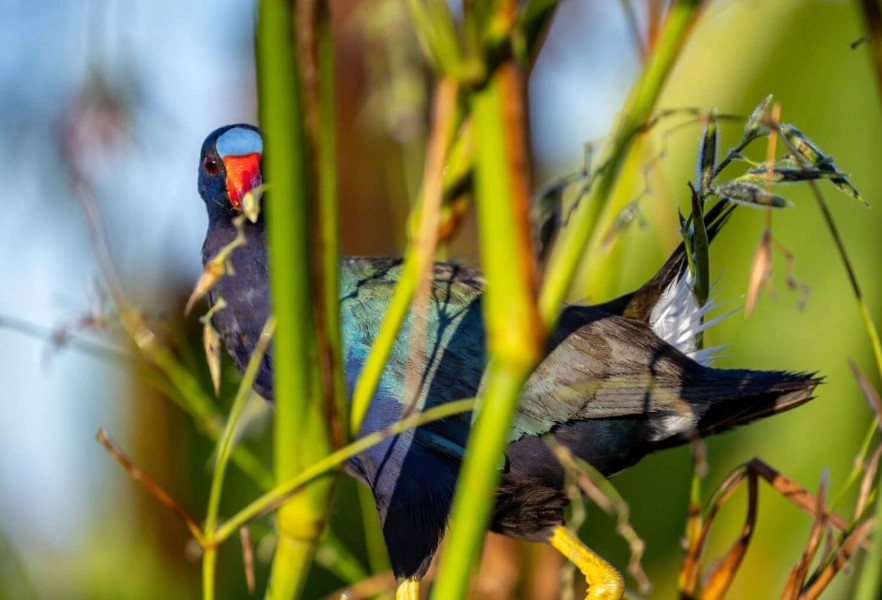
Audubon Bird Guide App: The User-Friendly Alternative
The National Audubon Society's app has a clean, intuitive "Nearby" map that's fantastic for beginners or quick reference. It's less data-dense than eBird but often easier to parse at a glance. It integrates well with their field guide, so you can identify a bird and immediately see where it's been reported nearby.
Regional & Specialty Maps
Don't ignore local resources. Many state birding associations or renowned birding trail networks (like the Great Florida Birding Trail) have their own detailed maps and guides. These often include logistical details big apps miss, like specific parking instructions or notes about trail conditions.
How to Use a Birding Hotspots Map for Trip Planning
Here's my personal, step-by-step method. Let's assume you're planning a weekend trip to a new region.
Step 1: The Broad Scan. Open eBird's hotspot map for your target state or county. Zoom out. Clusters of hotspots visually jump out—these are your prime areas. Look for concentrations along coastlines, major rivers, or mountain ranges.
Step 2: Dive into the Top Contenders. Click on 3-5 clustered hotspots. Don't just look at the recent sightings; click "Bar Chart" and "Species List." The bar chart tells you the seasonal story. Is it a migration mecca in April, or a wintering ground in December? The species list lets you dream—are your target birds there?
Step 3: Cross-Reference with Logistics. This is the crucial step most skip. You find a hotspot with 50 species reported yesterday. Great. Now, open Google Maps. How long is the drive from your hotel? Is there parking? Read the hotspot description on eBird—birders often leave tips like "park on the west side of the road" or "trail is muddy after rain." Check if it's in a national park (requires pass) or a free local preserve.
Step 4: Build a Realistic Daily Itinerary. You cannot bird five hotspots in one day effectively. I plan a primary morning hotspot (the one with highest potential), a backup nearby location for late morning, and a casual afternoon location (like a wildlife drive). Factor in driving, eating, and the fact that birding before 10 AM is almost always more productive.
5 Must-See North American Hotspots (With Logistics)
To make this concrete, here are iconic hotspots where the maps don't lie. I've visited all of these, and the data is what got me there.
>>The eBird species frequency charts show near-100% probability for birds like the Mexican Jay year-round, making it a reliable target. User comments often specify "heard at Carrie Nation trailhead." >The hotspot's recent checklists consistently show key waders with photos, proving reliability. The Audubon app's "Nearby" function works great here for real-time updates. >> eBird's "Explore Regions" tool for Monterey County reveals a stunning density of coastal hotspots. The data differentiates between pelagic species (from pelagic trips) and shore species, preventing confusion.
| Hotspot Name & Location | Key Species (Season) | Logistics You Need to Know | Why the Map Loves It |
|---|---|---|---|
| Point Pelee National Park, Ontario, Canada Address: 1118 Point Pelee Dr, Leamington, ON |
Warblers (30+ species), Tanagers, Orioles (Spring Migration - May) | Park opens at 5 AM during peak season. $7.90 CAD per person entry. Shuttle from visitor centre to tip. Massive crowds on weekends—go weekday. | The eBird bar chart for May is a rainbow of activity. The hotspot data clearly shows the two-week "window" for peak fallout, allowing for precise travel booking. |
| High Island (Bolivar Peninsula), Texas, USA Smith Oaks & Boy Scout Woods Sanctuaries |
Exhausted migratory songbirds after crossing Gulf (April) | Houston airports are closest. $10 daily fee for Houston Audubon sanctuaries. No facilities at Smith Oaks; bring water/snacks. Weather-dependent—rain/fog = "fallout." | Live eBird alerts during April are electric. Seeing 20+ reports of Scarlet Tanagers and Indigo Buntings in a single morning at one pin on the map tells you exactly where to be. |
| Madera Canyon, Arizona, USA Santa Rita Mountains, south of Tucson |
Elegant Trogon, Mexican Jay, Painted Redstart (Spring/Summer) | Free access to USFS land. Multiple pull-offs and trailheads at different elevations. Proctor Rd area is easiest access. Summer monsoons can make roads tricky. | |
| J.N. "Ding" Darling National Wildlife Refuge, Florida, USA Address: 1 Wildlife Dr, Sanibel, FL |
Roseate Spoonbill, Reddish Egret, Mangrove Cuckoo (Winter) | $10 vehicle entry fee (or America the Beautiful pass). Wildlife Drive is one-way, 4-mile loop. Best 2-3 hours after high tide. Rent bikes to avoid car congestion. | |
| Monterey Bay / Elkhorn Slough, California, USA Multiple hotspots: Moss Landing Harbor, Elkhorn Slough Reserve |
Sea Otters, Black Oystercatcher, thousands of shorebirds & sea ducks (Year-round, Winter peak) | Elkhorn Slough Reserve: $9.95 adult entry. Kayak rentals in Moss Landing offer unparalleled access. Check tide charts—low tide concentrates birds. Can be windy. |
The Map Isn't Everything: Common Pitfalls to Avoid
I've seen birders become slaves to the map. Here's how that backfires.
Chasing a single rare bird report. You see a one-off post of a rare warbler 200 miles away. You drive all day. It's gone. The map showed you the possibility, but it didn't tell you the bird was a fleeting vagrant seen once at dawn. Base trips on consistent, seasonal data, not outliers.
Ignoring the "no data" areas. Some of my best finds have been in places not designated as hotspots. The map shows you where people bird, not necessarily all the places birds are. Use it as a guide, not a boundary. If you see promising habitat between two hotspots, explore it.
Forgetting about access and ethics. The map might show an amazing hotspot on private land or in a sensitive area. Never trespass. Respect closures. The birding community's reputation depends on it.
Overlooking local conditions. The map said this hotspot was great yesterday. But yesterday wasn't 40 mph winds and pouring rain. Always temper map data with real-time weather and habitat checks.
Your Birding Map Questions, Answered
Birding hotspots maps have fundamentally changed how we find birds. They turn uncertainty into strategy. But remember, they are a tool, not an oracle. The real joy still comes from turning off the screen, raising your binoculars, and letting the search begin. Use the map to get you to the right habitat at the right time. Then let your own eyes and ears take over. Now, open up a map, pick a promising dot not too far from home, and go see what's there. Your next great sighting is waiting.
Reader Comments