Quick Navigation: What's Inside
Let's cut to the chase: cleaning the rubber on your binoculars isn't glamorous, but mess it up, and you're looking at a sticky, cracked mess that ruins your viewing experience. I learned this the hard way a few years back when I grabbed a cloth with rubbing alcohol to wipe down my favorite pair after a muddy birding trip. Within weeks, the rubber felt tacky and started to peel. That mistake cost me a repair bill. So, if you're wondering how to clean binocular rubber properly, you're in the right place. This guide will walk you through everything, from why it matters to the nitty-gritty steps that keep your gear in top shape for years.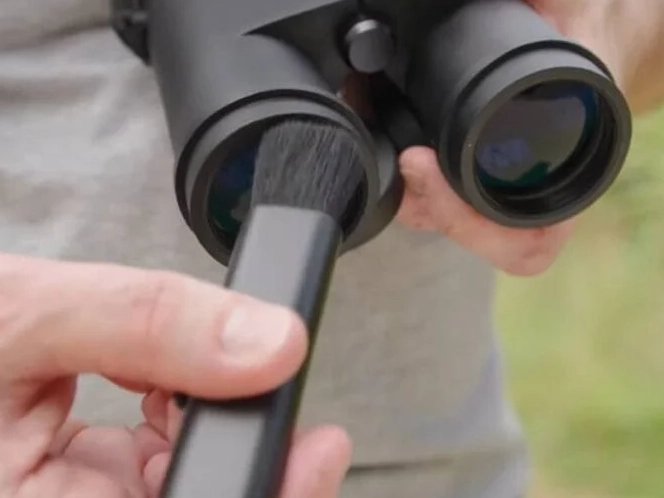
Why Cleaning Binocular Rubber Matters
You might think the rubber on your binoculars is just for grip and comfort, but it's more than that. It acts as a protective layer against moisture, dust, and impacts. Neglect it, and you're inviting trouble.
The Risks of Dirty Rubber
Dirt, sweat, and sunscreen build up over time. This grime isn't just ugly—it can degrade the rubber compounds. I've seen binoculars where the rubber turned brittle or sticky because of accumulated oils. In humid climates, mold can even grow in the crevices. According to the Audubon Society's gear maintenance recommendations, regular cleaning prevents long-term damage that affects both performance and resale value.
Benefits of Regular Cleaning
Clean rubber means better grip, especially when your hands are wet or cold. It also maintains the weather-sealing integrity, which is crucial if you're out in rain or fog. Plus, it just feels nicer to use. Think of it like maintaining a car's tires; skip it, and you're risking a blowout.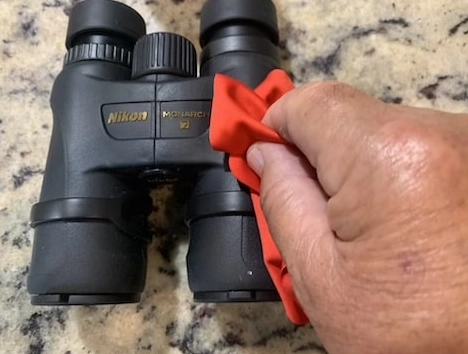
Tools and Supplies You'll Need
You don't need fancy gear. In fact, some of the best tools are probably in your home. Here's a breakdown of what works and what doesn't.
| Item | Purpose | Notes |
|---|---|---|
| Microfiber cloth | Wiping and drying without scratching | Avoid paper towels—they can leave lint and abrasions. |
| Lukewarm water | Base for cleaning solution | Hot water can warp rubber; cold water might not dissolve grime well. |
| Mild dish soap | Gentle degreaser | Look for soap without moisturizers or harsh chemicals. Dawn original is a good bet. |
| Soft-bristled brush | Cleaning textured rubber | An old toothbrush works perfectly. Make sure it's clean. |
| Cotton swabs | Reaching tight spots | Use for around eyecups and hinges. |
| Isopropyl alcohol (70%) | Disinfectant (use sparingly) | Only for stubborn stains, and always dilute. More on this later. |
Avoid these at all costs: window cleaners like Windex, bleach, ammonia-based products, or any solvent like acetone. They'll dry out the rubber and cause cracking. I made that alcohol mistake, and it's not worth the risk.
Step-by-Step Cleaning Process
Follow these steps carefully. Rushing leads to errors.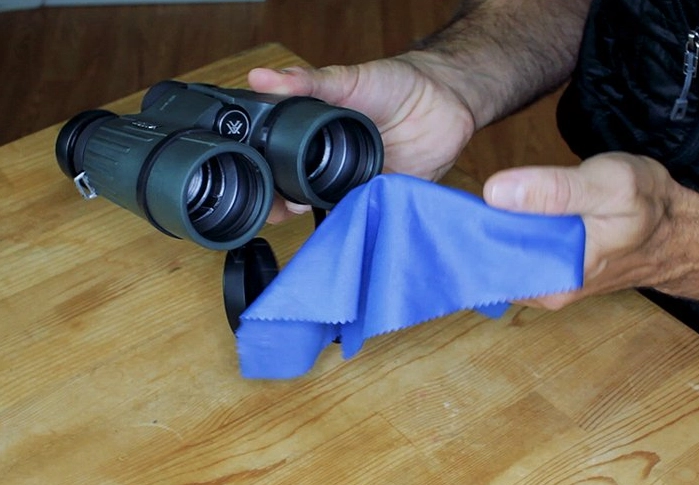
Preparation: Get Your Binoculars Ready
Start by removing any straps or accessories. Find a clean, flat surface—a kitchen table with a towel works. Ensure good lighting so you can see dirt in crevices. If your binoculars are waterproof, check the manufacturer's guide first; some models have specific cleaning instructions. For example, Swarovski Optik advises against immersing the entire body.
The Cleaning Process: A Gentle Approach
Mix your solution: In a small bowl, add a drop of mild soap to a cup of lukewarm water. Swirl it gently—you don't want suds.
Dampen the cloth: Dip a corner of the microfiber cloth into the solution and wring it out until it's barely damp. You want moisture, not wetness. Excess water can seep into seams and damage internal parts.
Wipe the rubber: Gently wipe the rubber surfaces in circular motions. Focus on areas with visible dirt, like the grip zones and eyecups. For textured rubber, use the soft-bristled brush dipped in the solution. Scrub lightly—no need to press hard.
Clean tight spots: Use cotton swabs for hinges and crevices. Twirl them gently to pick up grime. If you see mold, a diluted vinegar solution (one part vinegar to three parts water) can help, but test on a small area first.
Rinse and dry: Dampen another part of the cloth with clean water and wipe off any soap residue. Then, use a dry microfiber cloth to pat the rubber dry. Let the binoculars air-dry in a well-ventilated area for an hour before storing. Don't use heat sources like hairdryers; they can crack the rubber.
Common Mistakes That Destroy Binocular Rubber
I've talked to fellow birders and gear repair shops, and some errors pop up again and again.
Using harsh chemicals: This is the big one. Alcohol, bleach, or all-purpose cleaners strip the rubber's natural oils. A friend used a disinfectant wipe on his binoculars during a pandemic scare, and the rubber started flaking within a month.
Over-wetting: Soaking the binoculars can compromise seals and lead to internal fogging. I once saw a guy rinse his under a tap—terrible idea.
Ignoring the manual: Many brands have specific care tips. Nikon, for instance, recommends avoiding silicone-based protectants on some models. Check your manual; if you lost it, a quick search on the manufacturer's website usually turns up a PDF.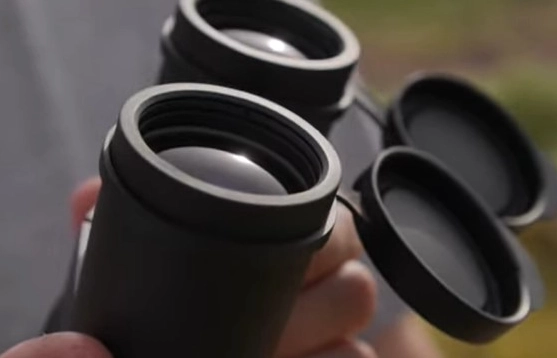
Storing dirty: Putting away binoculars with sweat or sunscreen on them accelerates degradation. Always give them a quick wipe after use.
Expert Tips and Non-Consensus Advice
Here's where my 10 years of tinkering with optics comes in. You won't find this in most guides.
Skip the commercial rubber protectants. They often contain silicones that attract dust and make the surface slippery. Instead, after cleaning, a tiny amount of pure lanolin (like what's used for leather care) can condition the rubber without harming it. Test it on a hidden spot first.
Water isn't always enough. For stubborn grease from sunscreen or insect repellent, a drop of castile soap in water works better than dish soap. It's milder and rinses cleaner.
Check the rubber composition. Older binoculars might have natural rubber that degrades faster. If yours are vintage, be extra gentle and consider consulting a specialist. Modern bins usually use synthetic rubber like EPDM, which is more resistant.
Clean in the field. Carry a small microfiber cloth in your bag. If you get mud on the rubber, let it dry first, then brush it off before wiping. Wet mud can grind into the surface.
According to BirdWatching Daily's gear column, improper cleaning is a leading cause of premature binocular failure. So, take these tips seriously.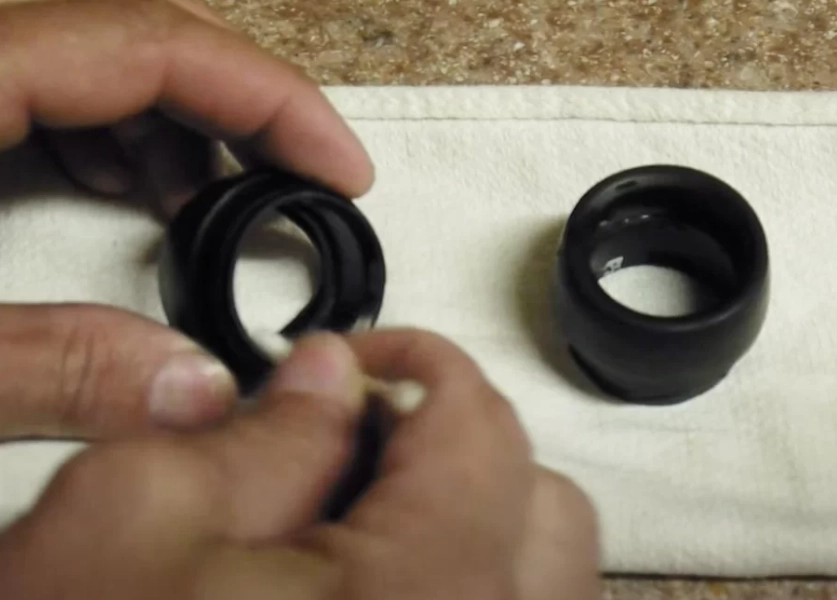
FAQ: Your Binocular Rubber Cleaning Questions Answered
Cleaning binocular rubber isn't rocket science, but it requires a bit of care. Get it right, and your gear will last for decades. I still use a pair from the 90s that look almost new because I've followed these steps. If you have more questions, drop a comment below—I'm happy to help based on my own trials and errors.
Reader Comments