I remember my first attempt at recording a wood thrush. I held up my phone, hit record, and stood there for five minutes. The result? A muddy, distant warble drowned out by a lawnmower three streets over. It was frustrating. That experience sent me down a rabbit hole of microphones, windshields, and audio software. Over a decade later, I've learned that capturing pristine bird sounds isn't about having the most expensive gear—it's about knowing how to use the right tool for the job and working with the environment, not against it.
The best way to record bird sounds is a combination of specialized gear, thoughtful technique, and patient fieldwork. It starts with a directional microphone, a solid recorder, and a dead cat wind muff. But the real magic happens when you learn where to stand, when to listen, and how to let the birds come to you.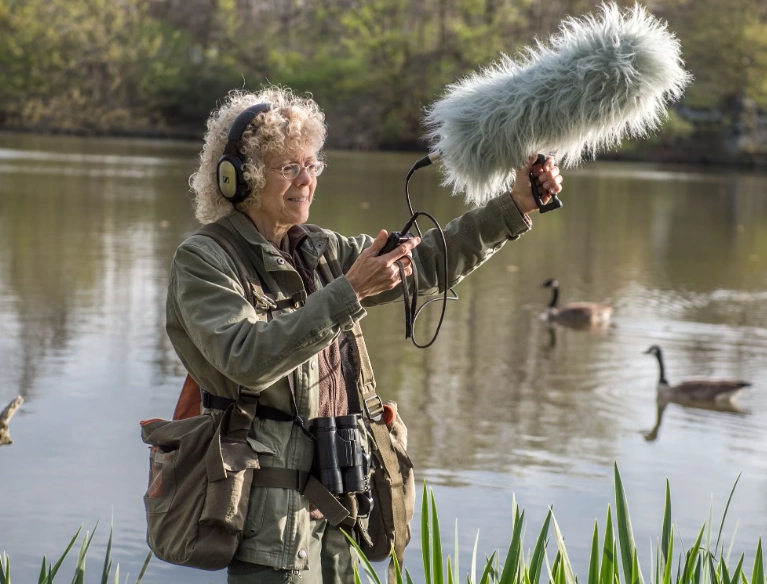
Your Quick Guide to Better Bird Recordings
Gear Breakdown: What You Really Need (And What You Don't)
Let's cut through the marketing. You don't need a $3000 setup to start. But you do need to move beyond your smartphone's built-in mic. That mic is designed for human voices up close, not for isolating a faint birdsong from 50 feet away through layers of leaves.
The Microphone: Your Most Critical Choice
This is where your money should go first. There are three main types for field work, and each has a different personality.
| Mic Type | Best For | Key Advantage | Biggest Drawback | Example Model |
|---|---|---|---|---|
| Shotgun (Directional) | General purpose, targeting specific birds at a distance. | Excellent at rejecting sound from the sides and rear. Great reach. | Can sound thin if the bird is very close. Needs careful aiming. | Sennheiser MKE 600, Rode NTG4+ |
| Stereo (XY/MS) | Capturing the soundscape of a dawn chorus or forest ambiance. | Beautiful, immersive spatial sound. Feels like you're there. | Less effective at isolating a single, distant bird. | Zoom XYH-6, Rode NT4 |
| Parabolic Dish | Extreme distance recording of faint songs (e.g., warblers high in canopy). | Unmatched gain and focus. Can pick up sounds inaudible to you. | Narrow "sweet spot," can have a tinny sound quality. Bulky. | Wildtronics Pro, Telinga |
My workhorse is a mid-range shotgun mic. For 80% of situations, it's the perfect balance of reach, sound quality, and portability. I only break out the stereo rig for special soundscape projects, and the parabolic dish feels like bringing a bazooka to a knife fight—powerful but overkill for most backyard birds.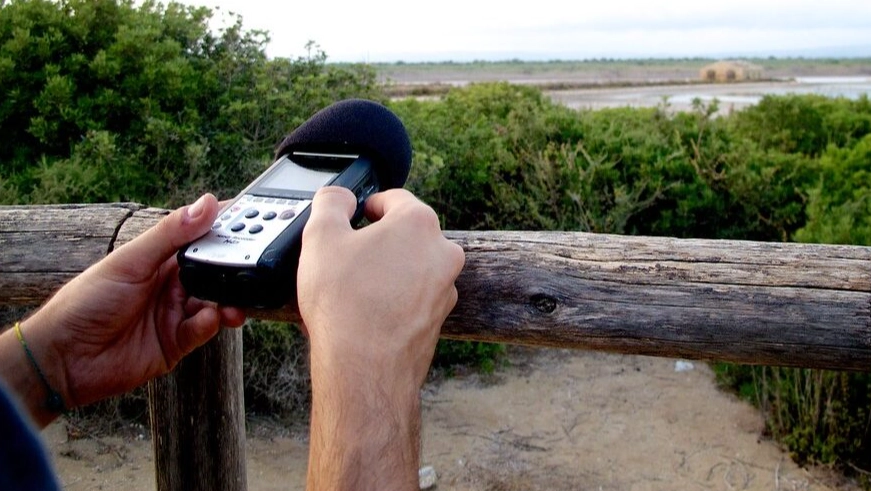
The Recorder: Your Digital Notebook
Pair your mic with a dedicated audio recorder. The Zoom H5 or Tascam DR-40X are fantastic starting points. Why not just a phone with an adapter? Control. Physical knobs for gain adjustment are faster and more precise than fumbling with a touchscreen when a rare bird suddenly calls. These recorders also save files in lossless WAV format, not compressed MP3s, preserving every detail for later editing.
The Non-Negotiables: Wind Protection & Support
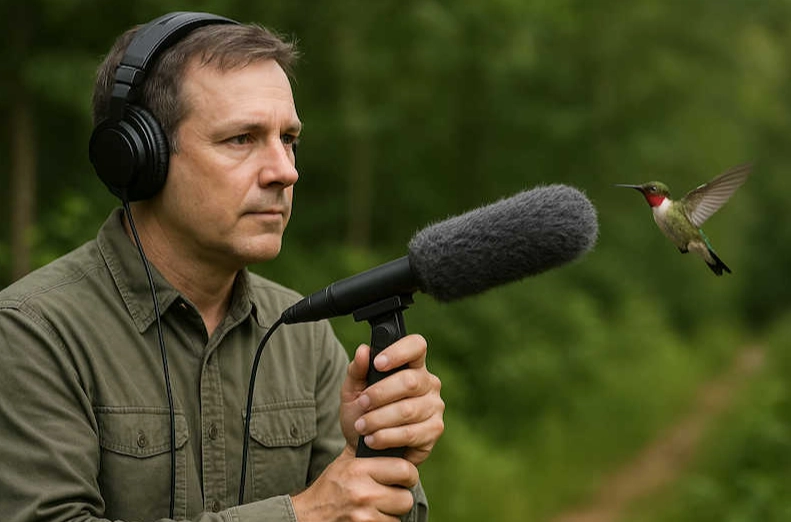
A light breeze will ruin a recording faster than anything. That gentle rustle becomes a thunderous roar on a sensitive mic. A "dead cat" wind muff (the big fuzzy cover) is essential, even on seemingly calm days. Don't cheap out here.
Hand-holding a mic for more than a minute leads to handling noise and fatigue. A simple pistol grip or a lightweight tripod with a fluid head lets you stay steady and comfortable for long periods. Patience is your best tool, and shaky hands are its enemy.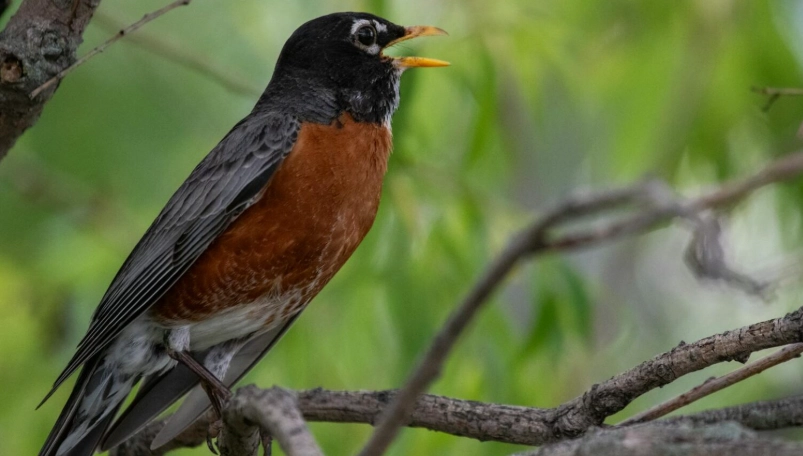
Field Techniques That Make the Difference
Great gear is useless with poor technique. This is where the art meets the science.
Location and Timing: The best microphone can't fix a bad location. Scout at different times. That beautiful, open meadow might be downwind of a highway you can't hear but your mic will pick up. Dense woods can muffle and echo. I've had my best luck in edge habitats—where a forest meets a field—often at first light. Birds are most vocal then, and background human noise is usually at its lowest.
The Setup Ritual:
1. Gain staging: This is crucial. Set your recorder's input gain so the loudest expected bird call peaks in the yellow, not the red. If it hits red, you get digital distortion that can't be fixed. It's better to record a bit too quiet than too loud.
2. Monitor with headphones: Always use closed-back headphones. You need to hear what the mic is hearing, not the ambient sound around your ears. You'll be shocked at the plane or distant conversation your mic picks up that you'd tuned out.
3. Be still and wait: Find a spot, get comfortable, and stop moving. Settle in for 15-20 minutes. Birds that fled when you arrived will often return if you become part of the scenery. I've gotten my best recordings after the initial quiet period, once the forest forgets I'm there.
Patience is not just a virtue; it's a requirement.
A Common Pitfall: The Automatic Gain Control (AGC) Trap
Most consumer devices have AGC turned on by default. It's a nightmare for bird recording. AGC tries to keep the volume constant. So when a bird sings, it turns the gain down. When it stops, it turns the gain up, amplifying the background noise (the "noise pumping" effect). Always, always turn AGC/ALC off on your recorder and set the gain manually. This single tip will improve your recordings more than any gear upgrade.
From Field to File: Simple Processing Tips
You've captured raw audio. Now, gentle polishing in free software like Audacity or Ocenaudio can make it shine. Never over-process. The goal is clarity, not alteration.
Step 1: Normalize. This carefully raises the overall volume of your file to a standard level without causing distortion. It makes your quiet recording listenable.
Step 2: Gentle Noise Reduction. This is a delicate tool. You select a sample of just the background noise (e.g., a few seconds of distant wind), let the software analyze its "fingerprint," then subtract it from the entire recording. Use a low reduction setting (6-12 dB). Overdo it, and you'll give the birdsong a weird, watery, artificial sound.
Step 3: Subtle EQ. A slight boost in the high-mid frequencies (around 2.5 - 5 kHz) can enhance the clarity and brilliance of many bird songs. A cut in the very low end (below 100 Hz) can reduce rumble. Make tiny adjustments and listen constantly.
Answers to Your Bird Recording Questions
 What's the one mistake most beginners make when processing their recordings?
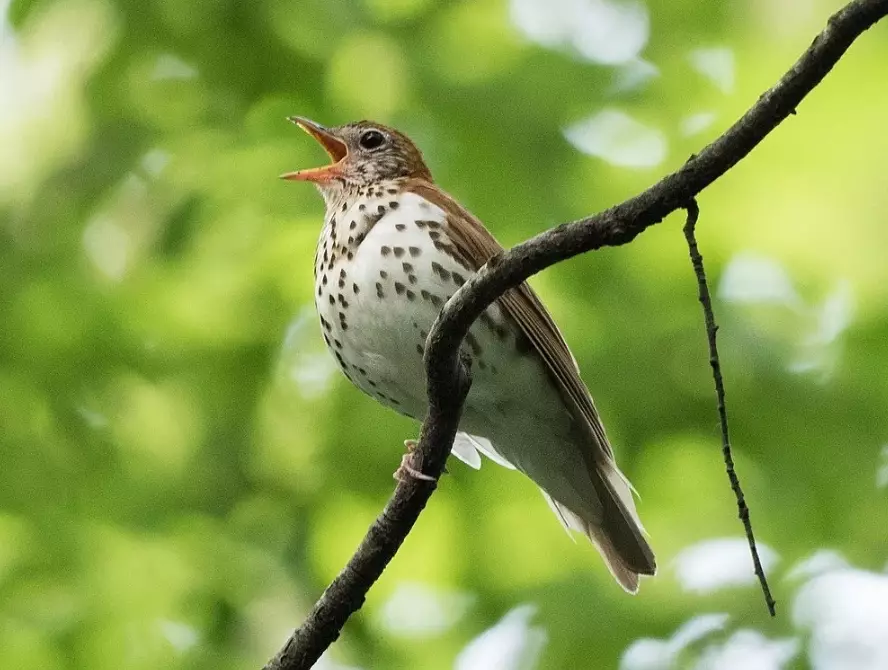 The journey into recording bird sounds is endlessly rewarding. It trains your ears to listen more deeply than you ever have. You start to notice patterns, individual variations in a species' song, and the incredible complexity of the soundscape around us. It's not just about capturing a file; it's about capturing a moment in the life of a wild creature. Start simple, be patient, and let the birds guide you.
Reader Comments