Glacier National Park isn't just about towering peaks and shimmering lakes. For anyone with a pair of binoculars, it's a living theater where the avian actors are as dramatic as the scenery. Over 270 species have been recorded here, from tiny, flitting warblers in the dense cedar groves to majestic Golden Eagles riding thermals above the Continental Divide. I've spent countless dawns here, coffee in hand, and I can tell you that finding these birds isn't just luck—it's about knowing where to be, when to be there, and what to listen for. This guide cuts through the generic lists and gives you the actionable, local knowledge you need for a successful trip.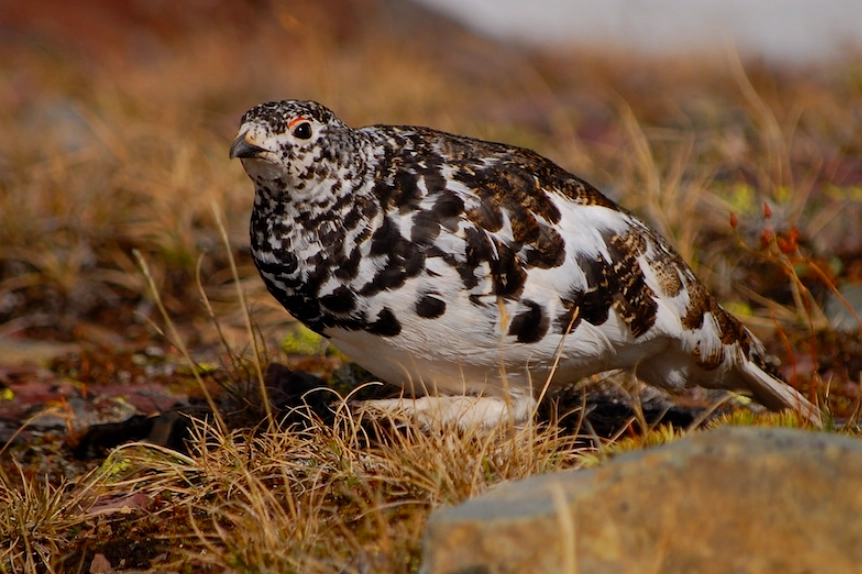
Your Birding Adventure Starts Here
Why Glacier is a Birding Hotspot
It's all about the crossroads. Glacier sits at a biological intersection where Pacific Northwest rainforests, Great Plains grasslands, and Northern Rockies alpine ecosystems all collide. Drive from the west entrance to the east, and you'll pass through habitats that change as dramatically as the birds within them. This diversity is your ticket to seeing a huge variety of species in a relatively compact area. The park's protected status, managed by the National Park Service, means these habitats are largely intact, offering birds—and birders—a refuge.
Top Birding Locations in Glacier National Park
You can't just drive the Going-to-the-Sun Road and expect to see everything. Target these specific spots.
| Location | Best Time to Visit | Key Species to Target | Local Tip |
|---|---|---|---|
| Logan Pass & Highline Trail | July - Mid-September | White-tailed Ptarmigan, Gray-crowned Rosy-Finch, American Pipit, Clark's Nutcracker | Parking fills by 7:30 AM. Hike at least a mile from the lot to escape the crowds. Scan rocky slopes and snowfields patiently. |
| Many Glacier Valley | Late May - September | Harlequin Duck, Barrow's Goldeneye, Osprey, Black Swift (near waterfalls), Varied Thrush | Dawn at Swiftcurrent Lake is magical. The trail to Iceberg Lake passes through great spruce-fir forest for woodpeckers. |
| Two Medicine Area | Spring & Fall Migration | Waterfowl, Raptors (Bald Eagle, Northern Harrier), Warblers in riparian areas | Less crowded than Many Glacier. The boat dock area is excellent for scanning the lake. Check the aspen groves for migrants. |
| McDonald Creek & Lake McDonald | Year-round (Winter for waterfowl) | American Dipper, Belted Kingfisher, Common Merganser, Barrow's Goldeneye (winter) | Walk the creek trails west of the lake. Listen for the Dipper's sharp "zeet" call over the rushing water. Winter is surprisingly productive here. |
| St. Mary Valley (East Side) | Spring & Summer | Upland Sandpiper, Sprague's Pipit, Savannah Sparrow, Wilson's Snipe | This is where the park meets the prairie. Drive the roads outside the park boundaries (e.g., near Duck Lake) for grassland specialists you won't see elsewhere in Glacier. |
A Common Mistake: New birders often spend all their time at the big, famous trailheads. Some of my best sightings—like a family of Great Gray Owls—have been along quieter pull-offs on the Camas Road or in the North Fork area. Don't overlook the "in-between" spaces.
Birds to Spot, Sorted by Habitat
Think like a bird. What do they need? Food, water, shelter. Match the habitat to the species.
Alpine & High Country (Above Treeline)
This is the tough-but-rewarding zone. Birds here are specialists, built for wind and cold.
White-tailed Ptarmigan: The holy grail for many. They're masters of camouflage, turning from mottled brown in summer to pure white in winter. Look for them as small, moving rocks on rocky slopes near Logan Pass. Patience is non-negotiable.
Clark's Nutcracker: You'll hear its loud, grating "kraaaak" before you see it. This clever corvid has a symbiotic relationship with whitebark pines, caching thousands of seeds. They're bold and often hang around parking lots.
Gray-crowned Rosy-Finch: Flocks swirl like feathered confetti over snowfields in late summer. Look for them picking insects off snow or gravel.
Coniferous Forests
The park's green blanket. Listen carefully—many birds here are heard more than seen.
Varied Thrush: Its haunting, single-pitch whistle is the sound of the Pacific Northwest dripping into Glacier. Look for this orange-and-black beauty on the west side, especially in damp, dense forests near Many Glacier or Lake McDonald.
Red-breasted Nuthatch, Mountain Chickadee, Golden-crowned Kinglet: The constant background chorus. They travel in mixed flocks, so if you find one, stop and wait—others will appear.
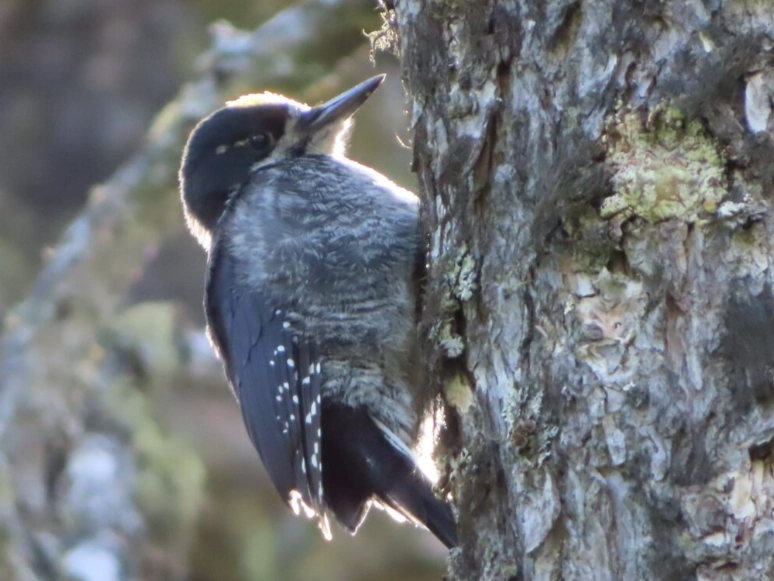
Woodpeckers: Listen for drumming. Hairy and Downy Woodpeckers are common. For a treat, seek out the larger, crow-sized Pileated Woodpecker in mature forests with dead trees (look for huge, rectangular excavation holes).
Lakes, Rivers & Wetlands
Water means life, and concentrated bird activity.
Harlequin Duck: A stunning, slate-blue duck that rides whitewater rapids. Many Glacier's Swiftcurrent Lake inlet and McDonald Creek are reliable spots. They're here to breed in summer, unlike most places where you see them in winter on coasts.
American Dipper: The aquatic songbird. It walks underwater on stream bottoms! Find it on fast-moving, rocky streams like McDonald Creek, constantly bobbing its body.
Osprey & Bald Eagle: Nesting platforms are visible around many lakes. An Osprey dive-bombing the water for a trout is a spectacle you won't forget.
A Seasonal Guide: When to Visit for Specific Birds
Timing is everything. Glacier's bird population is in constant flux.
Late May to July: This is peak activity. Migrants have returned and are singing loudly to establish territories and attract mates. Warblers, flycatchers, and thrushes are most vocal and visible. Wildflowers are blooming, and most park roads (especially Going-to-the-Sun Road) are fully open. It's the best all-around birding window.
August to September: Song quiets down as breeding ends, but this is fantastic for seeing family groups. Fledglings are out and about. It's also the start of migration for many species. Raptors begin to move, and shorebirds can appear on lake edges. High alpine areas are most accessible and safe from snow.
Winter (December - March): A stark, quiet beauty. Birding is limited to lower elevations (Lake McDonald valley, St. Mary). You'll find resilient species like Gray Jays, Boreal Chickadees (if you're lucky), Common and Barrow's Goldeneye on open water, and flocks of Pine Grosbeaks. Roads are mostly closed, so access is by ski or snowshoe. It's a completely different, challenging, and rewarding experience.
Spring (April - May) is messy. Lower elevations thaw first, attracting early migrants, but higher trails are snowbound and avalanche-prone. It's unpredictable but can yield great sightings of arriving waterfowl.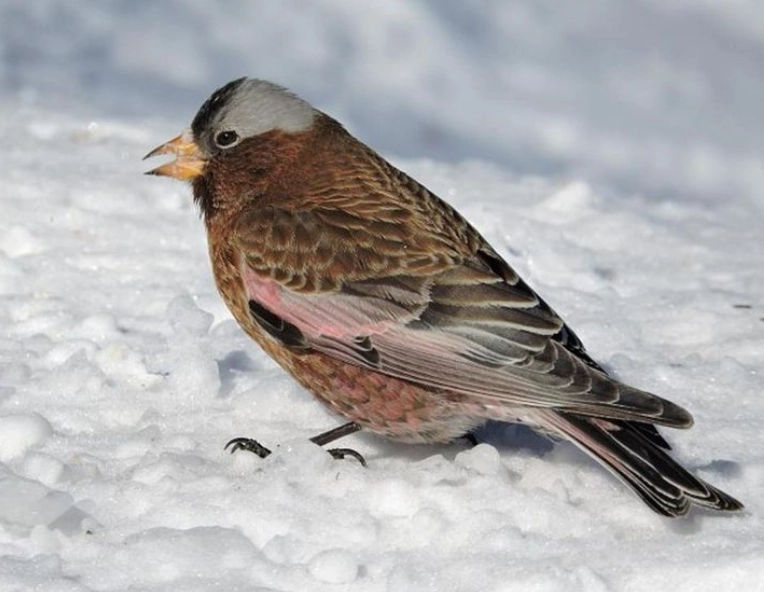
Essential Gear and Pro-Tips for Mountain Birding
Forget the fancy city park setup. Glacier demands more.
Optics: A good pair of 8x42 or 10x42 binoculars is your primary tool. I lean towards 8x for a wider, steadier field of view in forests. A spotting scope is a luxury for open areas like St. Mary or for scoping distant cliffs for eagles or falcons, but don't let its absence stop you.
The Right Guide: Don't just use a generic North America app. Carry a regional guide like "Birds of Montana" or the National Geographic "Birds of Western North America." The plates and range maps are more precise.
Sound is Half the Battle: Most birders overlook this. Before your trip, spend time on the Cornell Lab of Ornithology's Merlin Bird ID app or All About Birds website, listening to the songs and calls of your target Glacier species. Recognizing the buzzy trill of a Townsend's Warbler will help you find it in a dense fir tree.
Logistics Matter: Park at dawn. Not 9 AM. Dawn. You'll have the trails to yourself and catch the morning bird chorus. Always carry bear spray, know how to use it, and make noise in brushy areas. The birds are used to it. Pack layers—mountain weather changes in minutes.
My biggest tip? Slow down. Birding here isn't a checklist sprint. Sit on a log by a stream for 20 minutes. You'll see more than in two hours of frantic hiking.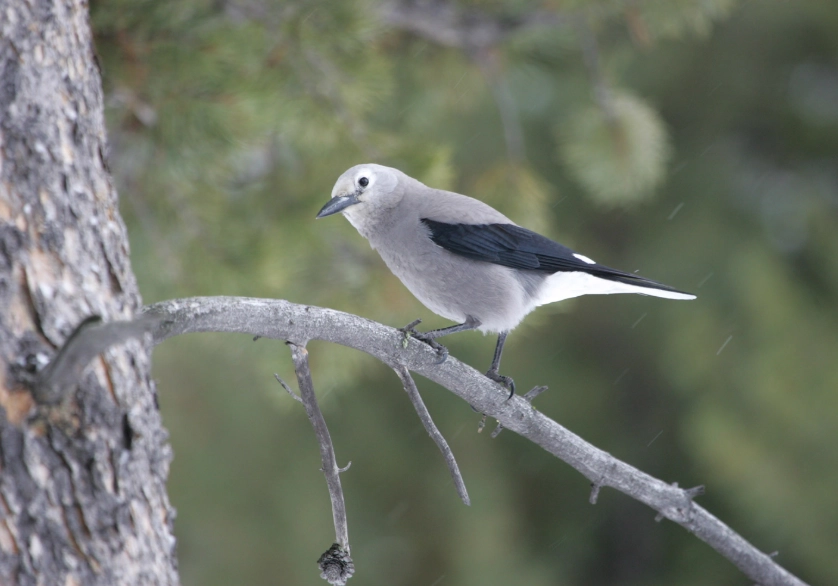
Your Glacier Birding Questions, Answered
I'm worried about bears while birding. How do I stay safe and still focus on the birds?
This is a real concern, and it changes how you operate. Always carry bear spray in an accessible holster (not buried in your pack). Travel in groups and make regular noise in dense vegetation or near loud water—talk, clap, sing. When you stop to glass or listen, do a quick 360-degree scan of your surroundings every minute or so. Most bear encounters are surprises. By being alert and noisy, you avoid startling them, which keeps both you and the bears safe. It becomes second nature.
What's the one bird I shouldn't leave Glacier without trying to see?
The White-tailed Ptarmigan. It's not just a bird; it's a symbol of alpine adaptation. Finding one requires effort (a hike to high elevation) and patience (slow scanning of rocky slopes), but the reward is immense. Seeing this perfectly camouflaged ghost of the mountains feels like unlocking a secret. If the high country isn't accessible, then the American Dipper. No other bird behaves like it, and it's a surefire winner along many park streams.
 Is Glacier good for beginner birders, or is it too advanced?
It's excellent for beginners, but go in with the right expectation. You won't identify everything, and that's okay. Focus on common, obvious birds first: the loud Clark's Nutcracker, the bold Gray Jay, the ever-present Raven. Use the Merlin app's sound ID feature—it works wonders in the field. Start in easier areas like the Lake McDonald lodge grounds or the Many Glacier hotel area, where habitats are mixed and trails are flat. The sheer beauty of the place makes even a simple sighting memorable.
Can I get good bird photos with just a smartphone?
For landscape-and-bird shots or larger, closer birds (like a jay on a railing), yes. For small, distant songbirds, it's incredibly frustrating. The most cost-effective upgrade isn't a giant DSLR, but a phone adapter for your binoculars or spotting scope. This lets you use your optics as a telephoto lens. It takes practice to align, but it's a game-changer for decent documentary shots without investing thousands in camera gear.
I only have one day in Glacier for birding. Where should I go?
Maximize habitat diversity. Start at dawn at Lake McDonald's near the lodge (forest/water edge). Then drive the Going-to-the-Sun Road, stopping at pull-offs like Bird Woman Falls Overlook (scan cliffs). Spend your core time at Logan Pass (alpine). Have lunch there, hike a bit on the Hidden Lake trail, and look for ptarmigan and rosy-finches. In the afternoon, drive down to the St. Mary Lake area (open water/meadow). This one-day transect gives you a fighting chance at a great cross-section of Glacier's avian life.
Reader Comments