Ask ten birders the best place to bird watch, and you might get eleven answers. That's the beauty of it—the "best" spot depends entirely on what you're after. Is it sheer number of species? Rarities you can't see anywhere else? Breathtaking landscapes with feathered stars as the supporting cast? Or the simple joy of easy, accessible birding? After dragging my binoculars across six continents, I've realized the best destinations aren't just lists of birds; they're complete sensory experiences where logistics, local culture, and conservation align to create magic. Forget the generic top 10 lists. Let's talk about the places that deliver unforgettable moments, from the steaming jungles of Costa Rica to the windswept cliffs of Antarctica.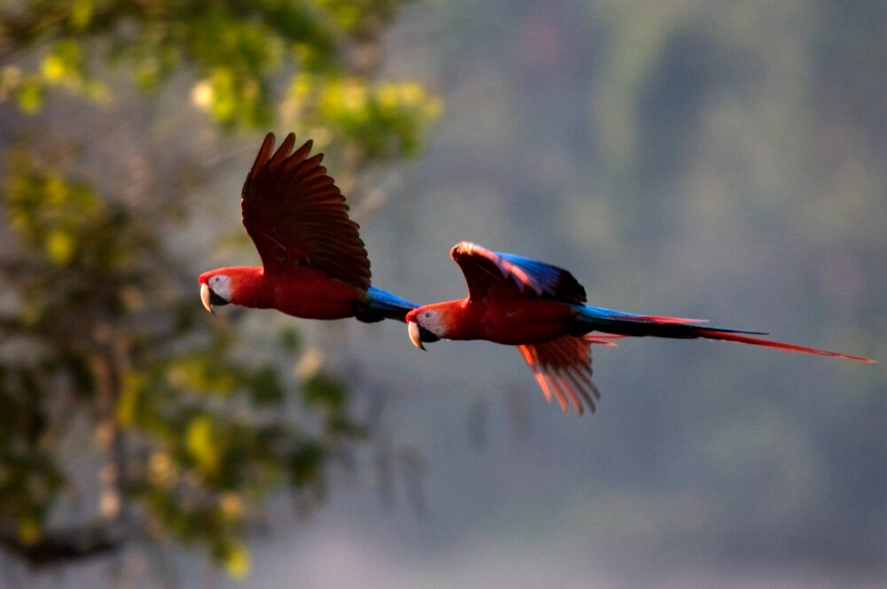
Your Quick Birding Adventure Map
- Why the "Best" Birding Spot is a Trick Question
- Tropical Rainforest Champion: Costa Rica
- Asia's Wetland Wonder: Sumatra, Indonesia
- High-Altitude Majesty: The Himalayas of Nepal
- The Ultimate Frontier: Antarctic Peninsula
- How to Pick Your Perfect Birding Destination
- Birding Travel FAQs: The Stuff Guidebooks Don't Tell You
Why the "Best" Birding Spot is a Trick Question
New birders often chase big numbers. Colombia has over 1900 species, incredible! But traveling there involves long, difficult drives between disjointed habitats. The "best" place balances richness with accessibility and support infrastructure. A location with 500 species you can actually see comfortably often beats one with 1000 where you glimpse only shadows in the canopy. My framework looks at four pillars: Bird Diversity & Endemics (what can I see only here?), Accessibility & Infrastructure (can I get there, and are there guides/lodges?), Scenic & Experiential Value (is it just a checklist or an immersive experience?), and Conservation Story (is my visit supporting protection?). Let's apply this to some real-world champions.
Tropical Rainforest Champion: Costa Rica
For a first-time international birding trip, Costa Rica is almost unbeatable. It's safe, compact, and has an astonishing density of life. You can see Resplendent Quetzals in cloud forest, Scarlet Macaws on the Pacific coast, and dozens of hummingbirds at a single feeder—all in a well-organized two-week circuit.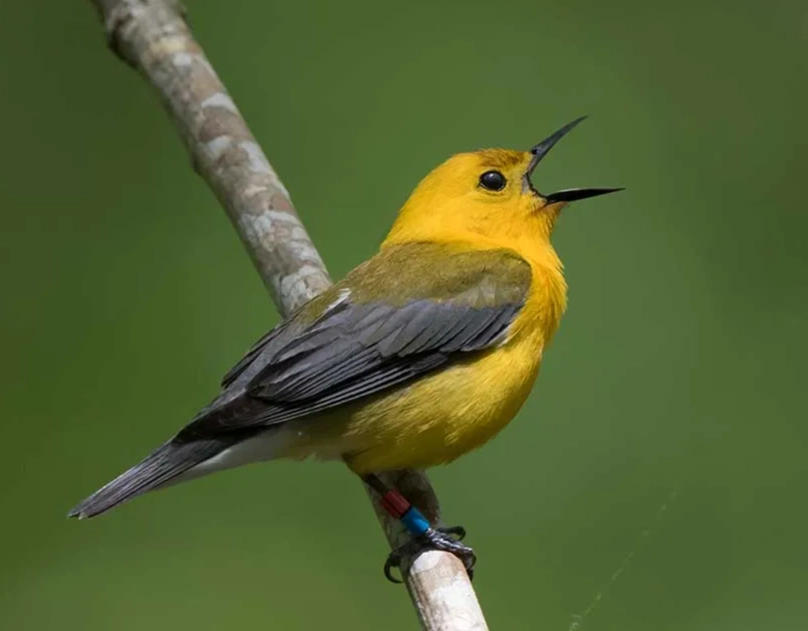
Prime Time: Dry season (December to April) for accessibility. The "green season" (May-July) has fewer crowds and active birds.
Can't-Miss Spot: Monteverde Cloud Forest Biological Preserve. It's not the cheapest, but it's managed brilliantly.
Making the Most of Costa Rica: Logistics & Local Secrets
Fly into San Jose (SJO). Rent a 4x4 if you're confident driving; roads can be rough. Otherwise, domestic flights to key areas like the Osa Peninsula save time. Don't try to see the whole country in one go. Pick two or three regions.
Monteverde Cloud Forest: The star is the Resplendent Quetzal. Hire a local guide at the preserve entrance (around $50-$80 for a small group). They know exactly which fruiting trees the quetzals are using. The preserve opens at 7 AM. Get there at 6:45 AM. Seriously. The first two hours are golden. Entrance is about $25 for adults. Stay in nearby Santa Elena town for cheaper options, or splurge on a lodge bordering the preserve for dawn chorus right outside your window.
Caribbean Slope - La Selva Biological Station: This is where you feel the rainforest pulse. You must book a day pass or overnight stay in advance through the Organization for Tropical Studies. It's pricey (day visits around $40+, lodging more), but worth it. The trail system is superb, and the bird list is massive. I once had a Great Potoo stare right at me from a bare branch along the entrance road at dusk—a moment of pure magic.
But honestly, the secret weapon of Costa Rica is its sodas (small local restaurants). After a morning of birding, a $5 casado (a typical plate) and a fresh juice while watching Tanagers at a fruit feeder is the real best part.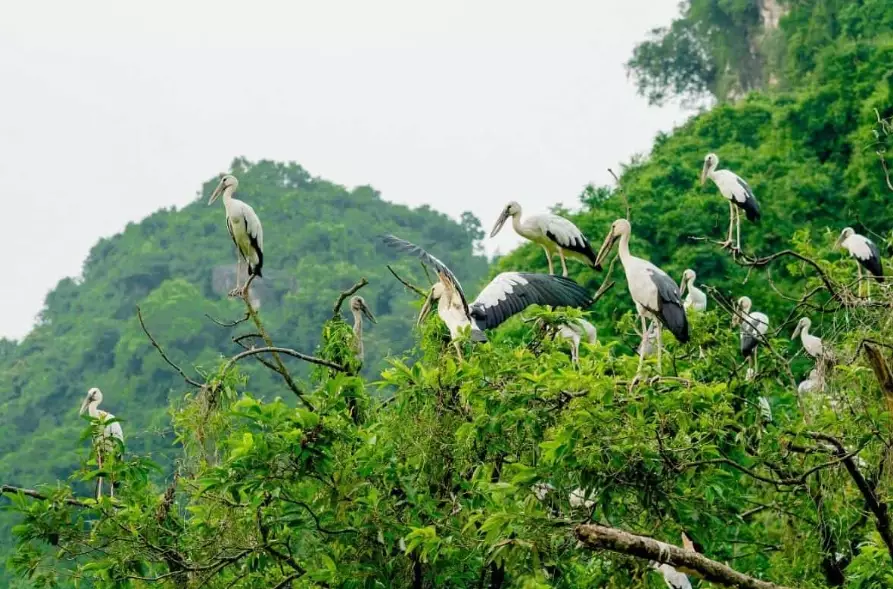
Asia's Wetland Wonder: Sumatra, Indonesia
If your dream list includes bizarre and spectacular birds, Sumatra is a contender for "best." It's more challenging than Costa Rica, but the rewards are unique. We're talking about birds like the bizarre Hornbills—the Rhinoceros Hornbill with its loud whooshing flight—and the critically endangered Sumatran Ground-cuckoo (a holy grail bird).
| Key Location | Target Birds | Access & Tips |
|---|---|---|
| Way Kambas National Park (Lampung Province) |
White-winged Duck, Storm's Stork, Masked Finfoot. Excellent for waterbirds and lowland forest species. | Fly to Jakarta, then connect to Bandar Lampung. A 2-hour drive to the park. Basic homestays and lodges are available near the park entrance. Essential to hire a park ranger/guide. Boat trips on the river are the best way to see waterbirds. |
| Kerinci Seblat National Park (West Sumatra & Jambi) |
Sumatran Cochoa, Schneider's Pitta, Sumatran Trogon. Highland endemics and rare pittas. | More remote. Fly to Padang or Jambi. Long drives on winding roads to villages like Kersik Tuo. Accommodation is very basic (guesthouses). Trekking required. This is for the dedicated lister, not the casual visitor. |
| Bukit Barisan Selatan NP | Sumatran Ground-cuckoo (rare), various Hornbills. | Extremely remote and difficult to access. Primarily for research expeditions and the most adventurous birders with specialized guides. |
The infrastructure here is not for the faint of heart. You need a tolerance for long, bumpy rides and basic amenities. But the feeling of being in a steamy, ancient forest where you might be the only birder for miles is unparalleled. Partner with a reputable local tour operator like Birdpacker or EcoTravel Indonesia—they handle permits, transport, and know where the birds are.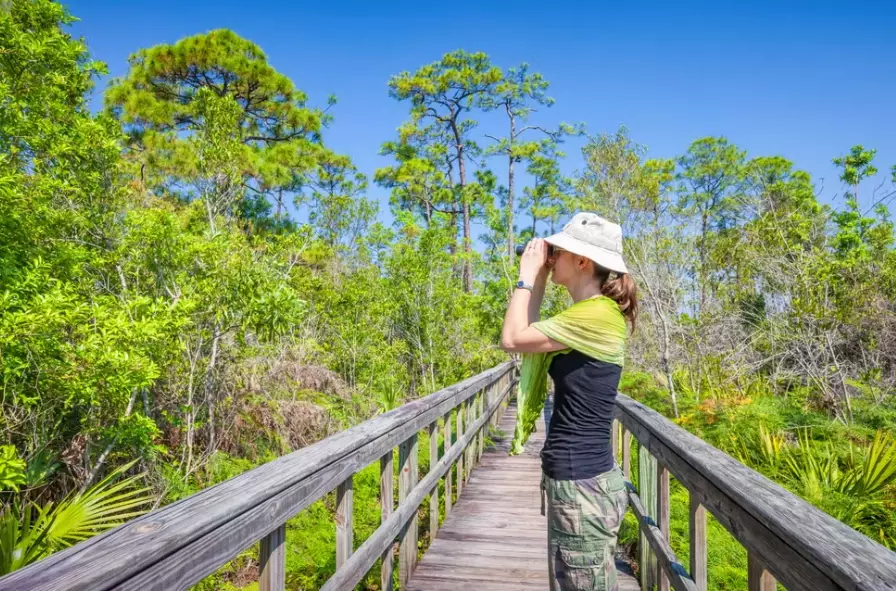
High-Altitude Majesty: The Himalayas of Nepal
For scenery combined with unique avifauna, the Himalayas are sublime. Nepal offers a relatively accessible slice of this. The birding here isn't about massive counts, but about quality against a backdrop of the world's highest mountains.
Kathmandu Valley: Start here. Phulchowki Hill, a short drive from the city, is fantastic for hill species like Satyr Tragopan and various laughingthrushes. You can do a day trip.
Chitwan National Park: A complete ecosystem shift. Think open grasslands and riverine forests. Here, you bird from the back of an elephant or a jeep, looking for Bengal Florican, Great Hornbill, and the endangered Slender-billed Vulture. Stay in one of the lodges in Sauraha. The park entry fee is about $30/day, and you must have a guide. Early morning and late afternoon safaris are best.
Pokhara & the Annapurna Foothills: The trek to Ghorepani/Poon Hill is a classic. You don't need to be a hardcore mountaineer. This moderate multi-day trek passes through rhododendron forests alive with birds like the stunning Himalayan Monal, Kalij Pheasant, and countless warblers. You wake up to a sunrise over the Annapurna range. It's birding and hiking perfection combined. Use a local porter-guide who knows birds; they enhance the experience immensely.
Logistics: Fly into Kathmandu (KTM). Domestic flights to Pokhara are quick. For Chitwan, it's a 5-6 hour drive or a short flight to Bharatpur. Spring (March-April) and autumn (October-November) are the prime birding and trekking windows.
The Ultimate Frontier: Antarctic Peninsula
This is the "best" for sheer awe and adventure. The bird list is short—maybe 20-30 species you'll regularly see. But the encounters are on a monumental scale. Imagine thousands of Chinstrap Penguins on a rocky slope, Wandering Albatrosses with 11-foot wingspans gliding beside your ship, and pods of whales feeding in iceberg-dotted waters.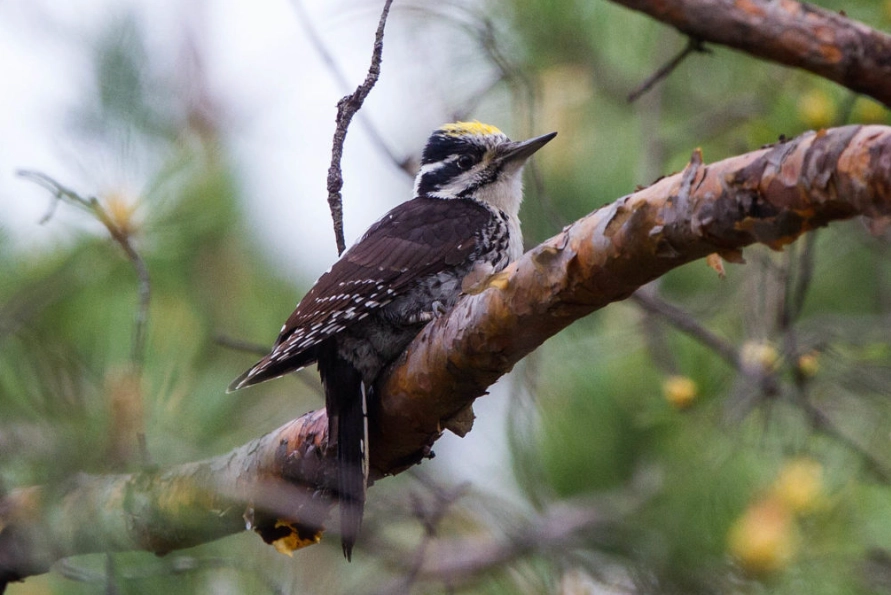
This is not a DIY trip. You must go on an expedition cruise. Companies like Quark Expeditions or Oceanwide Expeditions run bird-focused voyages with expert ornithologists on board. Trips typically depart from Ushuaia, Argentina, and cross the Drake Passage.
How to Pick Your Perfect Birding Destination
Stop looking for a universal #1. Ask yourself these questions instead:
- What's my travel style? Luxury lodge or basic tent? Guided tour or independent exploration?
- What's my budget? Factor in flights, internal transport, guide fees (which are almost always worth it), and park entry costs.
- What birds ignite my passion? Hummingbirds? Birds of paradise? Seabirds? Start with your dream family or species and work backward.
- How much time do I have? A 10-day trip is different from a 3-week expedition.
Use resources like eBird's "Explore Regions" tool to see what's being reported where and when. Check reports from the BirdLife International partnership to understand conservation contexts.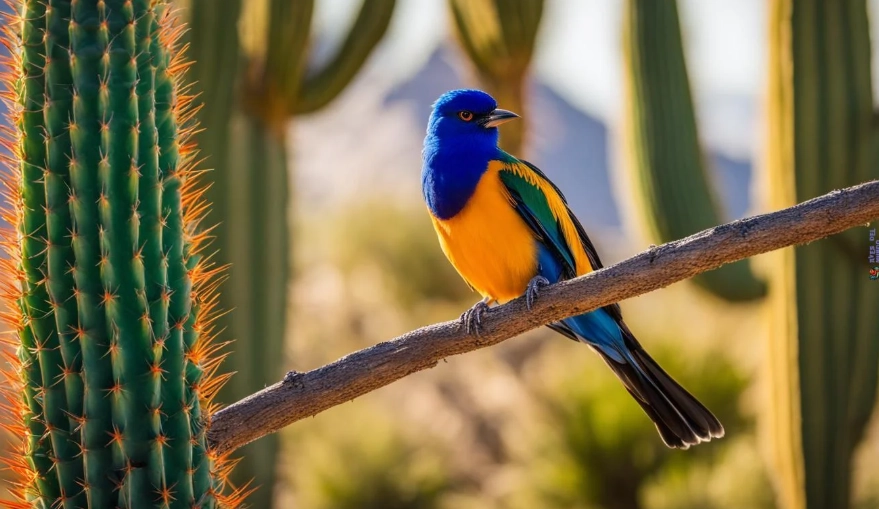
Birding Travel FAQs: The Stuff Guidebooks Don't Tell You
 How do I handle the ethical dilemma of visiting sensitive habitats?
So, where is the best place to bird watch in the world? It's the place that matches your curiosity, your comfort zone, and your sense of adventure. It might be a familiar wetland an hour from home on a crisp morning, or it might be a distant jungle you've saved for years to visit. The best spot is wherever your binoculars bring the wild world into focus.
Reader Comments