New York City's parks are havens for birds. Forget the concrete jungle cliché for a moment. From the iconic red-tailed hawks nesting on Fifth Avenue buildings to the tiny ruby-throated hummingbirds zipping through Brooklyn's gardens, the city hosts a surprising diversity of avian residents and migrants. I've spent over a decade exploring these green spaces with binoculars in hand, and I'm still surprised by what I find. This isn't just about listing species; it's a practical guide to turning your park visit into a genuine birding adventure, whether you're a curious beginner or a seasoned local looking for new spots.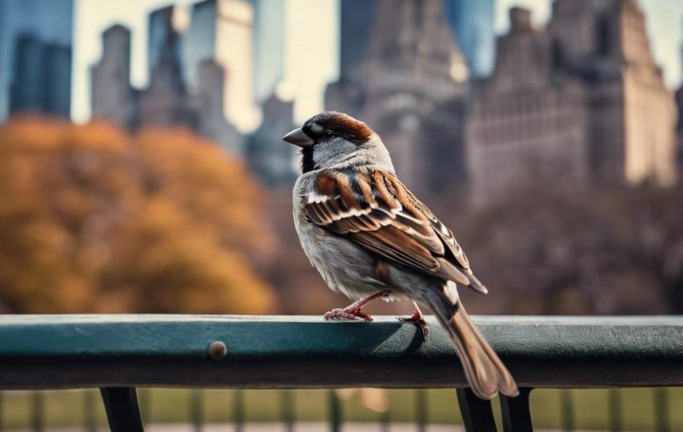
Your Quick Birding Route
Top NYC Parks for Birding: Where to Go and What to See
Not all parks are created equal for birding. Some are migration superhighways, others are winter refuges, and a few have become permanent homes for unexpected species. Here are three that consistently deliver, each with a different character.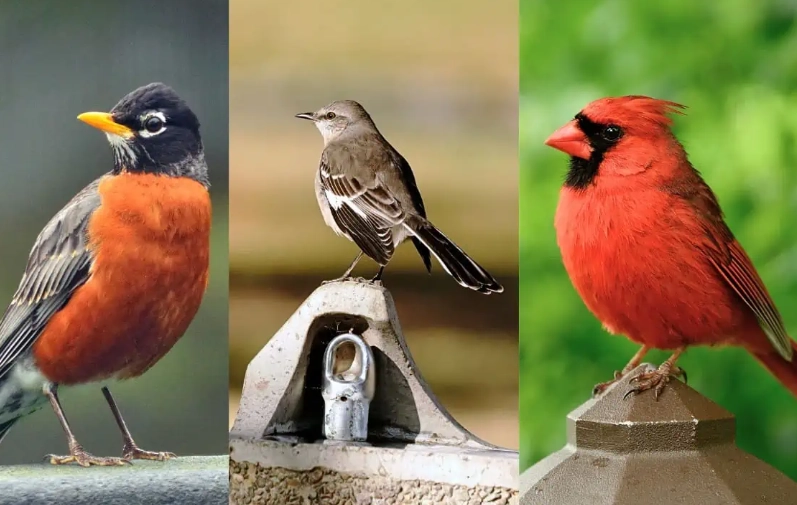
Central Park: The Legendary Migration Trap
It's famous for a reason. Central Park's 843 acres act like a green magnet for tired birds flying along the Atlantic Flyway. The key here is location within the park.
The Ramble (mid-park, 74th-79th St): This is the heart of birding in Central Park. Its dense, winding paths and water bodies are a warbler magnet in spring (late April to May) and fall (September to October). You'll find birders here every morning. Look for black-throated blue warblers, ovenbirds, and the occasional rare visitor like a Connecticut warbler.
The Reservoir: Great for waterfowl from fall through spring. Scan for buffleheads, ruddy ducks, and double-crested cormorants. The 1.58-mile track is perfect for a scanning walk.
Strawberry Fields & The Pinetum: Reliable spots for woodpeckers (downy, hairy, red-bellied) and year-round residents like white-throated sparrows and northern cardinals.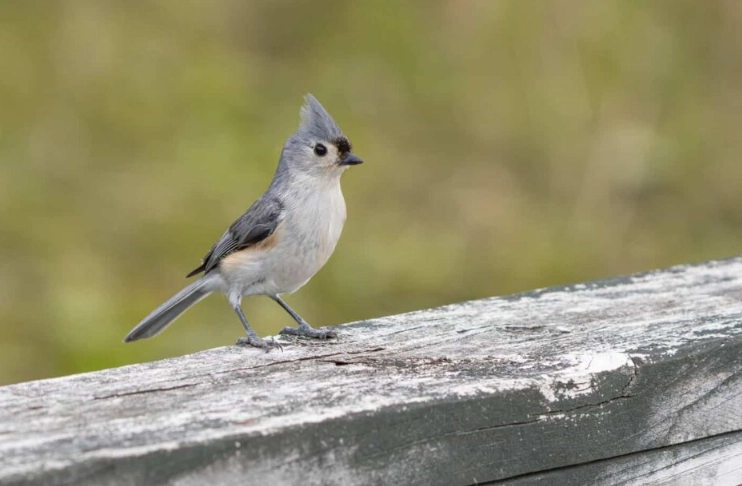
Prospect Park, Brooklyn: A More Manageable Gem
Prospect Park feels wilder, less manicured than Central Park. Its 526 acres include a large lake, ravines, and mature woodlands. The Prospect Park Audubon Center at the Boathouse is an excellent resource, often leading free weekend bird walks—check their board for recent sightings.
Head to the Peninsula and Lookout Hill for migrating songbirds. The Lullwater is fantastic for water birds; I've seen great blue herons and black-crowned night-herons there regularly. In winter, check the lake for hooded mergansers and American coots. One spring morning near the Vale of Cashmere, I watched a red-tailed hawk stoop on a squirrel—a raw, dramatic moment you don't forget.
Inwood Hill Park, Manhattan: The Forest Primeval
This is Manhattan's last natural forest, with caves, ridges, and salt marshes. It feels miles away from the city. The salt marsh at the park's northern tip is unique in Manhattan, attracting marsh wrens, swallows, and waterfowl. The ridge trails are superb for woodland birds like great crested flycatchers and scarlet tanagers in summer. It's less crowded with birders, so you often feel like you have the place to yourself. Take the A train to Dyckman St or 207th St.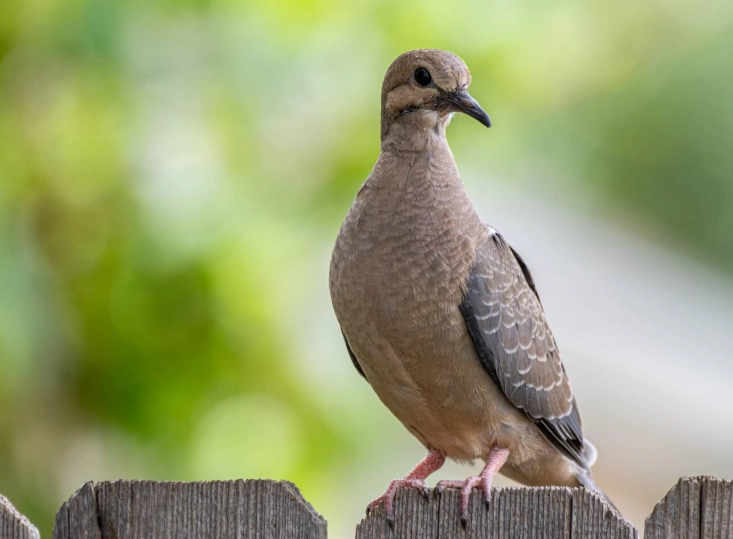
Other notable mentions: Jamaica Bay Wildlife Refuge (Queens) is a coastal powerhouse for shorebirds and waterfowl (requires a longer trip). Forest Park (Queens) has great woodpecker diversity. Van Cortlandt Park (Bronx) has extensive wetlands and forests.
How to Identify Common NYC Park Birds
Start with the regulars. Trying to identify every flitting thing will overwhelm you. Get to know these common park residents first; they'll be your baseline.
The “Backyard Brigade” (Seen Everywhere):
American Robin: Gray back, orange-red breast. Runs on lawns, tilts its head.
Northern Cardinal: Brilliant red male (crest), brownish female with red accents. Loud, clear whistle.
Blue Jay: Loud, blue and white, with a crest. Its raspy jay! jay! call is unmistakable.
House Sparrow & Starling: The introduced, ubiquitous city birds. Learn them so you can ignore them and focus on natives.
The Water Crowd (Lakes & Ponds):
Mallard: The classic duck. Green-headed male, mottled brown female.
Canada Goose: You know it. In parks year-round.
Great Egret: Tall, all white, with a yellow bill and black legs. Stands still in shallow water.
Double-crested Cormorant: Black, swims low in water, often perches with wings spread to dry.
The Woodland Specials (Forested Areas like The Ramble):
Black-capped Chickadee: Tiny, black cap and bib, white cheeks. Friendly and curious.
White-throated Sparrow: Winter visitor. Look for the bright white throat and a yellow spot between eye and bill. Its song sounds like Oh-sweet-Canada-Canada-Canada.
Downy Woodpecker: Small, black and white, with a tiny bill. Check dead trees for their drilling.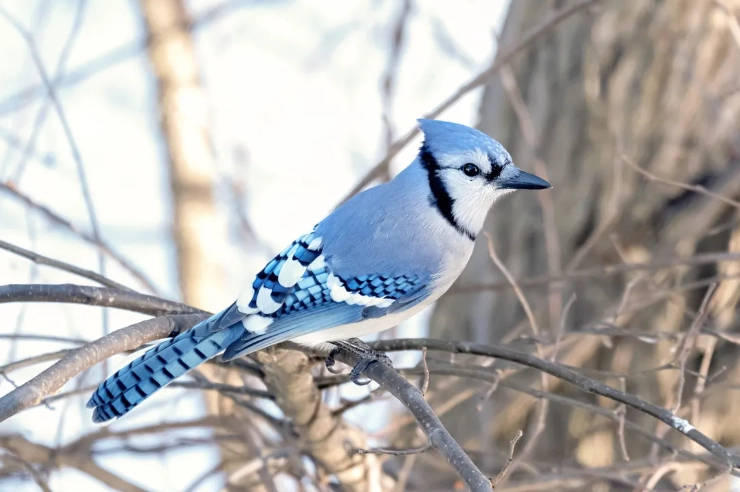
Pro Birding Tactics for City Parks
Birding in a city park isn't like birding in a remote wilderness. You have specific advantages and challenges.
Timing is Everything: The first three hours after sunrise are golden. Birds are most active feeding. Late afternoon can be good too. Midday, especially in summer, is usually slow. Overcast days can be excellent as birds stay active longer.
Think in Layers: Don't just stare straight ahead. Scan the canopy for warblers and vireos. Check the mid-level branches for flycatchers and thrushes. Look at the understory and ground for sparrows and towhees. Then scan the water. A systematic approach finds more birds.
Use the “Birding Pulse”: Find other birders with binoculars and scopes. They've often found something good. It's perfectly acceptable to politely ask, “Seeing anything interesting?” The birding community in NYC parks is generally friendly and helpful. I've learned about more rare birds from a stranger's tip than from my own searching.
Listen for Birding “Hotspots”: A sudden burst of chickadee scolding calls or alarm chips from multiple species often means a predator is around—like an owl (great horned owls nest in several parks!) or a hawk. That commotion can lead you to something special.
Gear Essentials for the Urban Birder
You don't need much, but the right tools make a huge difference.
| Item | Recommendation & Why | Budget-Friendly Note |
|---|---|---|
| Binoculars | 8x42 magnification. This is the sweet spot: enough power to see detail, wide enough field of view to find birds, and good light gathering. Brands like Vortex, Nikon, and Celestron offer great entry-level models. | Don't buy the cheapest $30 pair. They'll be frustrating. A used pair from a reputable brand for $100-$150 is a far better investment. |
| Field Guide / App | Merlin Bird ID app (free from Cornell Lab). It's revolutionary. Use its sound ID feature to record and identify birds singing around you. For a book, the Sibley Field Guide to Birds of Eastern North America is superb. | Merlin is free and incredibly powerful. It's the best starting tool available. |
| Notebook & Pen | Jot down descriptions: size, shape, bill, leg color, behavior, song. This forces you to observe carefully, which is better for learning than instantly looking up an answer. | Any small notebook will do. The act of writing is what matters. |
| Clothing | Muted colors (brown, green, gray). Avoid loud whites and bright blues that can spook birds. Comfortable walking shoes are non-negotiable. | You probably already own suitable clothes. Just think “drab.” |
Common Mistakes NYC Birders Make (And How to Avoid Them)
After guiding beginners for years, I see the same patterns.
Chasing Rarities Instead of Learning Commons: Everyone wants to see the rare warbler. But if you can't reliably tell a common yellowthroat from a magnolia warbler, you'll miss both. Solidify your foundation first. The rarities will mean more when you find them.
Walking Too Fast: Birding is slow travel. Walk 50 feet. Stop. Listen for a full minute. Scan the trees, the water, the ground. Repeat. Most people walk right past the good stuff.
Over-Reliance on Apps: Merlin's sound ID is amazing, but it can be wrong, especially with overlapping songs. Use it as a hint, not a final answer. Train your own ears. Listen to recordings on Cornell's All About Birds website.
Ignoring “Little Brown Jobs” (LBJs): Sparrows, wrens, and female birds can seem boring. But learning sparrows—song, white-throated, swamp—teaches you subtle identification skills (bill shape, tail flicks, facial patterns) that make you a better birder overall.
Not Checking the Weather and Tide Charts: For parks with coastline like Jamaica Bay, tide is crucial. Low tide exposes mudflats for shorebirds. A strong south wind in spring can push a “fallout” of migrants into the parks. A quick check can plan your best day.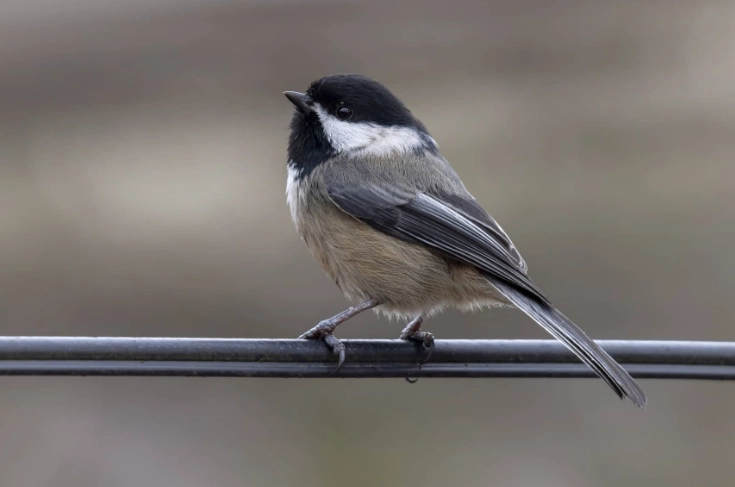
Your Birding Questions, Answered
Reader Comments