California's national parks aren't just postcard views of mountains and deserts. They're massive, living aviaries. From the iconic California Condor soaring over redwood canyons to the comical Roadrunner dashing across salt flats, the birding here is as dramatic as the landscapes. But knowing where and when to look turns a scenic drive into an unforgettable wildlife spectacle. This guide cuts through the generic advice. We're going park-by-park, season-by-season, with the specific spots and subtle tricks that most checklists leave out.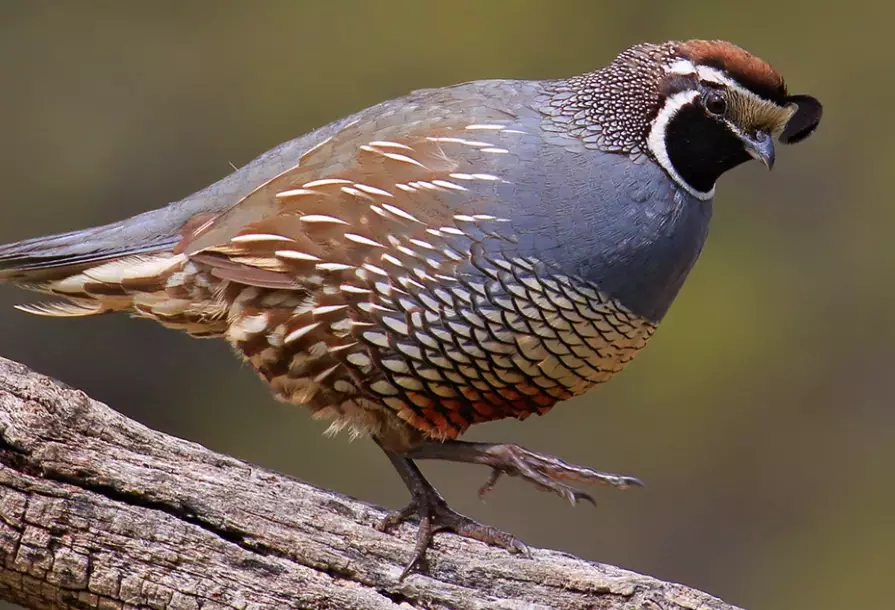
Your Quick Guide to California Park Birding
Top 5 California National Parks for Birding
Forget trying to cover them all in one trip. Each park has a distinct bird community tied to its ecosystem. Focus on one or two that match the species you're desperate to see. Here’s the breakdown every birder needs before booking a trip.
| Park | Prime Birding Season | Entry Fee & Hours | Key Birding Locations (Address/Area) | Star Species to Target |
|---|---|---|---|---|
| Redwood National and State Parks | Spring (May-June) & Fall Migration (Sept-Oct) | No park-wide fee; some state parks charge $8/day. Open 24/7, visitor centers 9am-5pm. | Lady Bird Johnson Grove (Bald Hills Rd), Coastal Trail at Enderts Beach (south of Crescent City), Freshwater Lagoon. | Marbled Murrelet, Varied Thrush, Spotted Owl, Winter Wren, seabirds like Common Murre. |
| Joshua Tree National Park | Spring (March-May) & Fall (Oct-Nov) | $30/vehicle (7 days). Park open 24/7, entrance stations have hours. | Barker Dam Nature Trail (Keys View Rd), Cottonwood Spring Oasis (south entrance), Hidden Valley. | Greater Roadrunner, Scott's Oriole, Phainopepla, Le Conte's Thrasher, Cactus Wren. |
| Death Valley National Park | Winter & Early Spring (Nov-April) | $30/vehicle (7 days). Open 24/7. | Furnace Creek Ranch & Visitor Center (CA-190), Salt Creek Interpretive Trail, Mesquite Spring Campground. | Greater Roadrunner, Verdin, Phainopepla, Sagebrush Sparrow, migratory waterfowl at springs. |
| Channel Islands National Park | Spring & Summer (Apr-Aug) for nesting seabirds. | No park fee; Island Packers boat fare required (~$60+). Day trips vary. | Santa Cruz Island (Scorpion Anchorage), Anacapa Island (easy landing). | Island Scrub-Jay (endemic!), Ashy Storm-Petrel, Xantus's Murrelet, Pelagic Cormorant. |
| Lassen Volcanic National Park | Summer (July-Sept) when roads/trails are snow-free. | $30/vehicle (7 days). Main park road seasonal. | Manzanita Lake (park HQ), Summit Lake, Bumpass Hell Trail (higher elevation). | Clark's Nutcracker, Mountain Bluebird, Williamson's Sapsucker, Hermit Warbler, Pine Grosbeak. |
A quick note on the Channel Islands: booking the boat is the main hurdle. I've seen people show up in Ventura without a reservation and miss out completely. Plan that part months ahead, especially for summer weekends. The Island Scrub-Jay is worth the hassle—it lives nowhere else on Earth.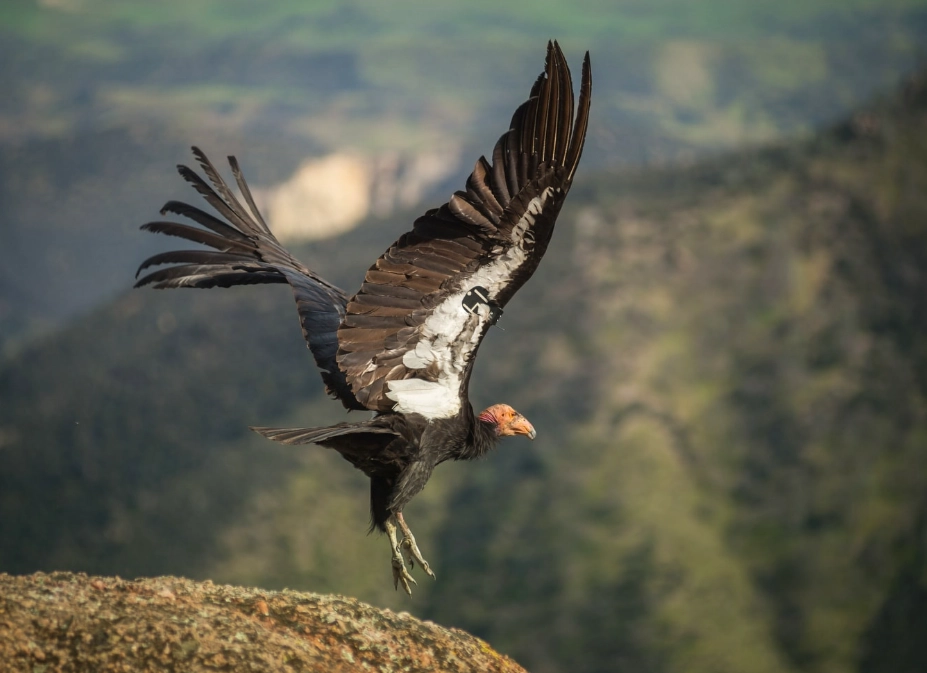
The Non-Negotiable Gear for Park Birding
You can get by with less on a local trail, but national parks demand more from your kit. Distance, weather swings, and remote locations mean a gear failure can ruin a day.
Optics are everything. An 8x42 binocular is the sweet spot for most park birding—bright enough for dark redwood groves, wide enough for scanning deserts. I made the mistake of bringing a tiny, cheap pair to Death Valley once. Heat haze and vast distances made spotting impossible. A spotting scope isn't mandatory, but if you're hitting coastal spots like the Channel Islands or coastal lagoons near Redwoods, it's a game-changer for distant seabirds and waterfowl.
Clothing is your first line of defense. Layering is a cliché for a reason. Mornings in the high desert of Joshua Tree can be near freezing, afternoons scorching. A wide-brimmed hat and a buff for your neck aren't fashion statements; they're sun-and-dust survival tools. Break in your hiking boots before the trip. Blisters don't care about the rare bird you just heard.
Don't just rely on cell service. Download offline maps on Google Maps or AllTrails. The Merlin Bird ID app by the Cornell Lab of Ornithology has offline bird packs for California—invaluable when you hear an unfamiliar call deep in Lassen's woods. A physical field guide, like Sibley's Western, is a reliable backup when your phone battery dies (and it will, from constant photo-taking).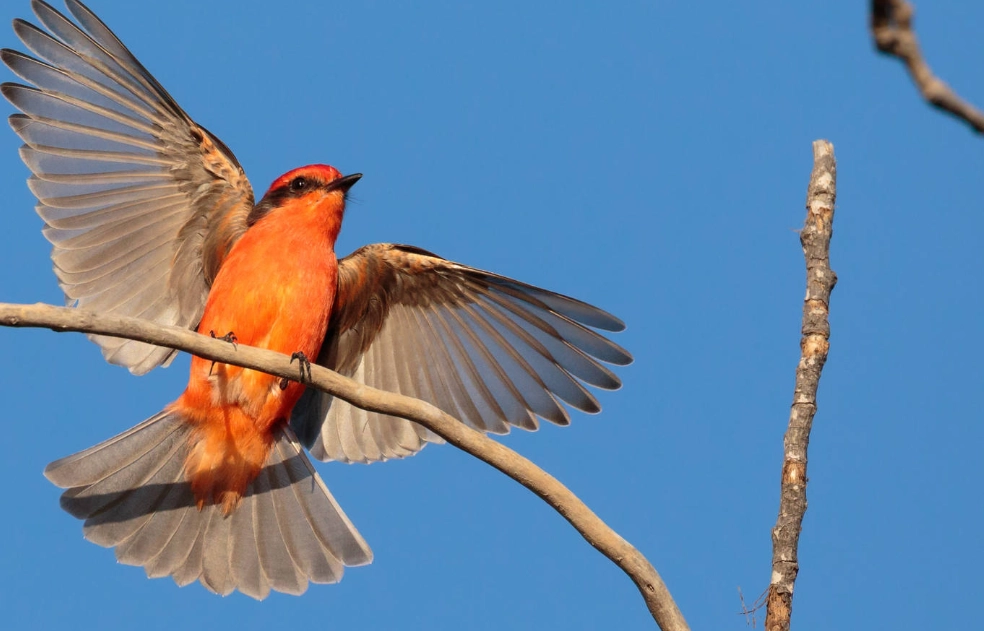
Pro Birding Tips & Quiet Observation Techniques
Birding in these vast parks isn't about covering miles quickly. It's about slowing down and tuning in. Most beginners move too fast and talk too much.
How to Actually Find Birds in Big Landscapes
Start with the edges. In any ecosystem, the transition zones are richest. Where the forest meets a meadow in Redwood, where the desert scrub meets a wash in Joshua Tree, where the sagebrush meets a spring in Death Valley. That's where activity concentrates. Listen before you look. Often, you'll hear a distinctive call—the mechanical chattering of a Lassen's Clark's Nutcracker, the descending whistle of a Canyon Wren in a desert canyon—that directs your eyes.
Time of day is non-negotiable. The first 3-4 hours after sunrise are pure magic. Birds are most active, singing, and feeding. In hot deserts, everything shuts down by late morning. In summer, late afternoon into dusk brings another, often overlooked, active period.
The One Mistake That Scares Birds Away
It's not your color (most birds don't care about muted colors). It's your silhouette and sudden movement. When you approach a promising spot, break up your outline. Stand next to a tree trunk, not in the open. Move in slow, deliberate increments, then stop for a few minutes. Scan. I've watched birders march straight up to a pond, scoping everything into flight, while I hung back and saw three times as many species filter back in.
Learn a few key calls before you go. Knowing the raspy "shree" of a Red-tailed Hawk versus the piercing "keeeer" of a Peregrine Falcon lets you identify birds you never see. Merlin's sound ID is fantastic, but training your own ear makes the experience stick.
How to Plan Your Birding Trip: Itineraries & Timing
Let's get concrete. Here’s how a focused birding day might look, and how to string parks together if you have more time.
A Perfect Birding Day in Joshua Tree:
6:00 AM: Enter via West Entrance (Twentynine Palms). Head straight to Hidden Valley. The cool morning air will have Cactus Wrens and Black-throated Sparrows active around the rock piles and Joshua Trees. Listen for the gurgling song of a Scott's Oriole.
8:30 AM: Drive to Barker Dam. This is your best shot at seeing a Greater Roadrunner patrolling the area, and the reservoir attracts Verdins and Phainopeplas. Check the reeds carefully.
11:00 AM: As heat builds, drive to higher elevation at Keys View. Scan the skies for soaring raptors like Golden Eagles.
Afternoon: Retreat to your lodging or the visitor center. Birding activity plummets. This is time for lunch, notes, and a nap.
4:00 PM: Explore the Cottonwood Spring area at the south end. The palm oasis is a migrant trap, especially in spring and fall. You might find warblers, orioles, and more roadrunners coming to drink.
If You Have 3-4 Days: The Coast & Redwoods Combo
This is a powerhouse itinerary for diversity. Fly into San Francisco or Medford.
Day 1: Drive up to the Redwood parks. Focus on the coastal lagoons like Freshwater Lagoon for waterbirds and the Lady Bird Johnson Grove for forest interior species. Stay in Crescent City or Trinidad.
Day 2: Take a morning pelagic birding tour from Crescent City or Trinidad (seasonal). This is the only way to reliably see open-ocean species like albatrosses and shearwaters. Afternoon birding at Enderts Beach for rocky shorebirds.
Day 3: Head inland slightly to Prairie Creek Redwoods State Park. Look for Roosevelt elk in the meadows—they attract birds that feed on insects they disturb. Then drive south, stopping at Humboldt Bay National Wildlife Refuge for massive shorebird and duck congregations.
This loop gives you ancient forest, rocky coast, open ocean, and estuary—four major bird habitats.
Your Birding Questions, Answered by Experience
What's the most common mistake birders make in Redwood National Park?
Is it worth birding in Death Valley in the summer?
I'm a beginner. Which park is the most forgiving for learning?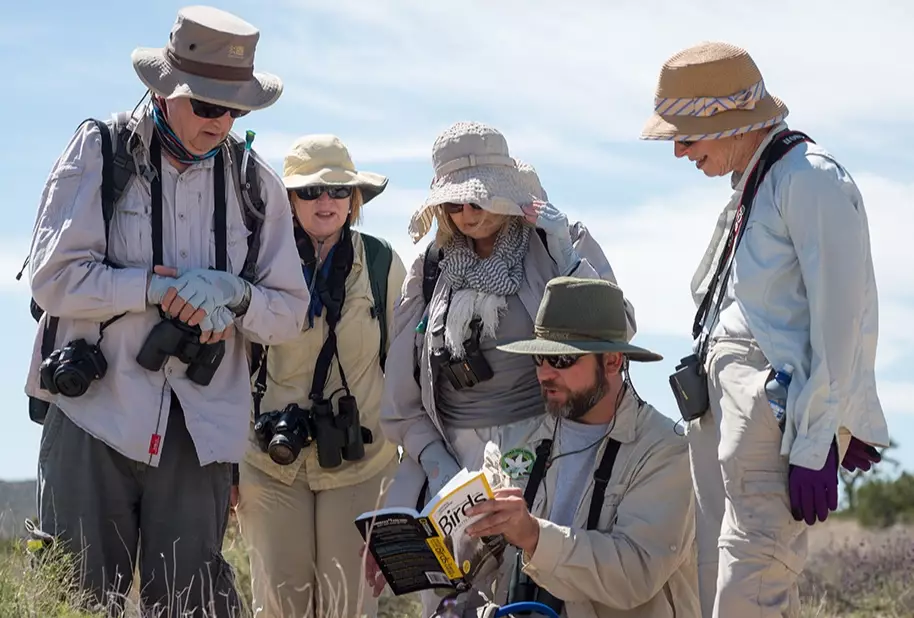
How do I ethically photograph birds in the parks without disturbing them?
The final piece of advice? Keep a journal. Note not just the species, but the weather, the location, the behavior. That record of your day at Manzanita Lake or Barker Dam becomes its own reward, long after the trip ends. It turns a list into a story, which is what birding in these incredible places is all about.
Reader Comments