Let's clear something up right away. Starting birdwatching doesn't require a $2000 spotting scope, a wardrobe of camouflage, or knowing every bird song by heart. The biggest barrier for most people is just getting out the door. I remember my first time—I had a pair of cheap, shaky binoculars and spent twenty minutes staring at what turned out to be a rock, convinced it was a rare owl. We've all been there. This guide is about skipping the confusion and getting you to the good part: the quiet thrill of noticing a bright red cardinal in a winter tree, or the comical hop of a robin on your lawn.
Your Quick Start Map
The Gear Myth: What You Really Need to Start
Online forums make it seem like you need a full tactical kit. You don't. For your first month, focus on these three things only.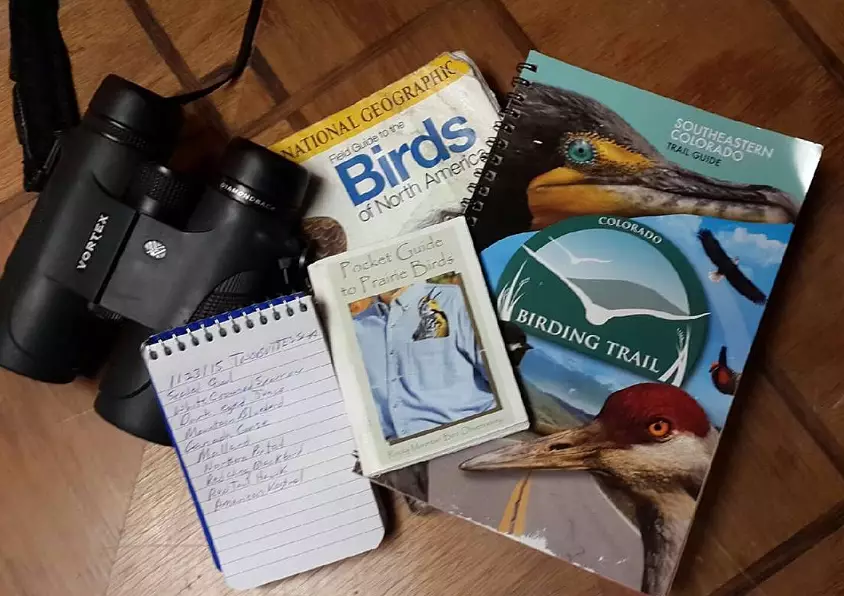
Your Eyes and Ears. Seriously. Before buying anything, spend a week just noticing. What birds are on the power lines during your commute? What's chirping outside your window at dawn? This passive observation builds your most important tool: attention.
A Notebook and Pen. Digital is fine, but paper has a magic. Jot down what you see: "Small bird, grey back, white belly, constant tail bobbing near the creek, April 15th." This "field note" habit is more valuable than any app for building memory and observation skills. Don't worry about names yet.
A Decent Field Guide or App. One is enough. A physical book like the Peterson Field Guide to Birds or the Sibley Guide is fantastic for learning. For on-the-go ID, the free Merlin Bird ID app from the Cornell Lab of Ornithology is a game-changer for beginners. You can answer a few questions or even use sound ID. It's not cheating; it's learning.
How to Choose Your First Binoculars (Without Breaking the Bank)
This is where most beginners freeze. The specs are confusing. My advice: ignore 90% of them. You need to understand two numbers: magnification and objective lens size (e.g., 8x42).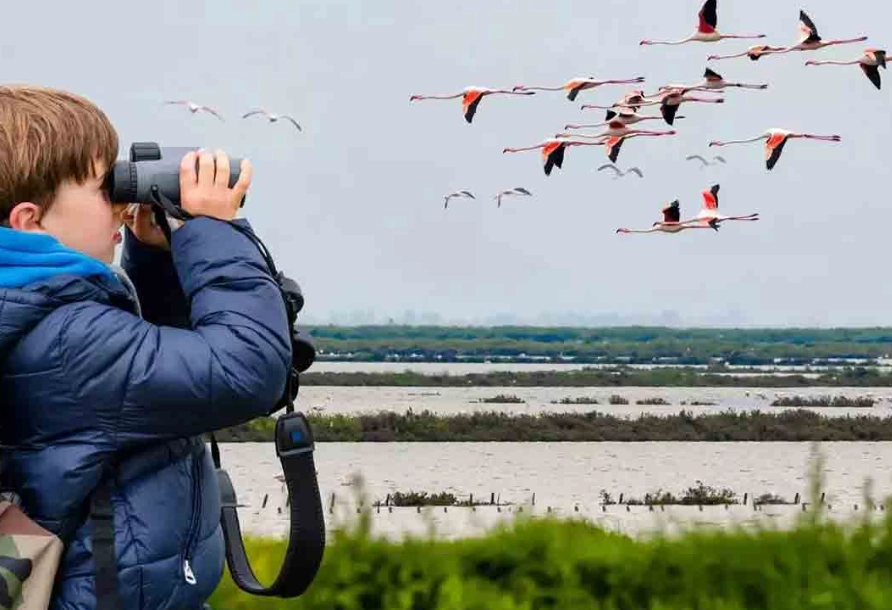
8x42 is the gold standard for a reason. The "8x" means things look 8 times closer. More than 10x (like 12x) gets shaky without a tripod. The "42" is the lens diameter in millimeters; it controls how much light gets in. A bigger number (within reason) means a brighter image at dawn or dusk.
Here’s a simple breakdown of good starter options across budgets. Don't buy the absolute cheapest; they'll be frustrating. Aim for the middle if you can.
| Budget Range | What to Expect | Key Feature to Look For | Example Models/Specs |
|---|---|---|---|
| Under $150 | Functional, may be heavier, less crisp on edges. | Fully multi-coated lenses. Water resistance is a bonus. | Look for brands like Celestron Nature DX, Bushnell H2O in 8x42. |
| $150 - $300 | The sweet spot. Clear, bright, durable enough for years. | Phase-corrected roof prisms (for sharper image), close focus under 10ft. | Vortex Diamondback HD, Nikon Prostaff P7 in 8x42. |
| Over $300 | Excellent optics, lightweight, fantastic in low light. | Extra-low dispersion glass, wider field of view. | Great if you're sure you're hooked, but not necessary to start. |
The most common mistake I see? People buy binoculars online without trying them. Go to a store if possible. Hold them. Are they comfortable? Can you focus quickly? Do they feel heavy after 30 seconds? The best binocular is the one you'll actually use.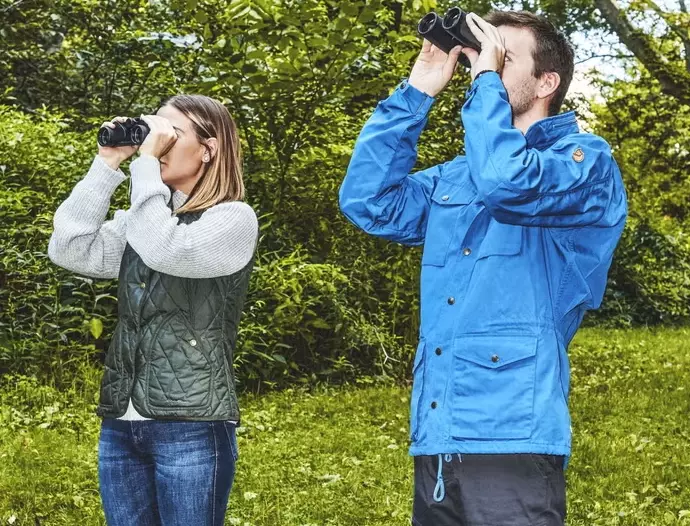
Where and When to Go Birding: Your First Outings
You don't need to trek to a national wildlife refuge. Start hyper-local.
Your Backyard or Local Park. This is your training ground. Visit the same spot at different times. Saturday at 2 PM is often quiet. Try 8 AM on a Tuesday, or just after a rain shower. Birds are creatures of habit and routine.
Habitat is everything. Look for edges—where a field meets a wood, or a pond meets reeds. More variety means more bird species. A lone tree in a field is a magnet for hawks and flycatchers.
Timing is more important than location. The two best windows are the first 3-4 hours after sunrise and the last 2-3 hours before sunset. Birds are most active then, feeding and singing. A midday summer hike can feel eerily quiet in comparison.
Plan your first few trips with zero pressure. Goal #1: Get comfortable being still and looking. Goal #2: Identify one single, common bird confidently. That's a huge win.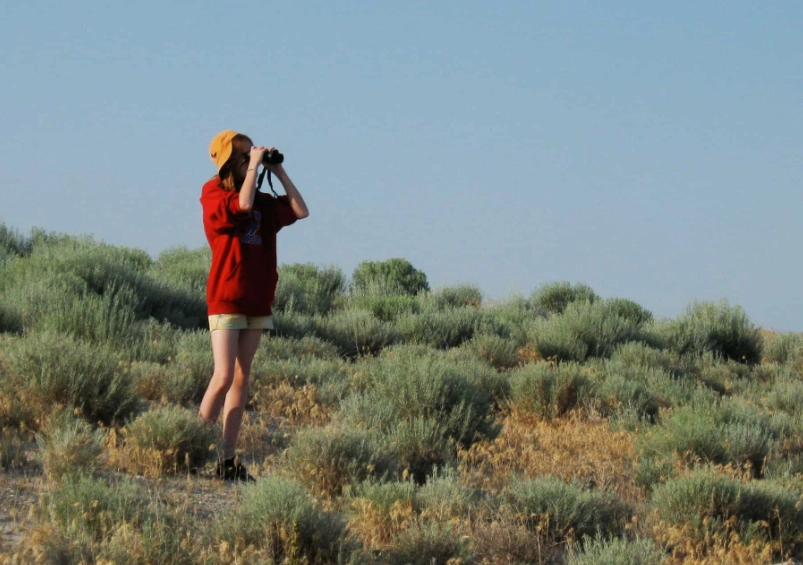
The Art of Seeing: A Better Way to Identify Birds
Newcomers flip through a guide looking for a color match. That's the slow way. Experienced birders use a mental checklist, in this order:
1. Size and Shape. Is it sparrow-sized, robin-sized, or crow-sized? What's the silhouette? Does it have a long tail? A crest? A chunky beak? This narrows it down instantly. A Northern Cardinal and a Scarlet Tanager are both red, but their shapes are totally different.
2. Behavior. This is the secret sauce. Does it hop on the ground (robin) or walk (starling)? Does it cling to a tree trunk head-first (nuthatch) or creep up it (brown creeper)? Does it pump its tail (Eastern Phoebe)? Behavior often gives it away before color does.
3. Field Marks. Now look for the specific patterns: eye-rings, wing bars, streaks on the breast, tail spots. Use the Merlin app's "Photo ID" tool here—take a blurry picture and see what it suggests.
4. Habitat and Sound. You won't find an ocean-going duck in a forest pond. Habitat is a huge clue. And sound—learn just 3-4 common local songs. The "cheerily cheer-up cheerio" of an American Robin, the "chick-a-dee-dee-dee" of the chickadee. It changes everything.
Start with the common birds in your area. Master the robin, the house sparrow, the starling, the cardinal, the blue jay, the crow. They are your foundation. Trying to ID a rare warbler on day one is a recipe for frustration.
From Backyard to Big List: Your Next Steps
Once you've got the hang of the basics, these steps will deepen the hobby.
Join a Local Walk. Search for "[your city/county] Audubon society bird walk." Going with experienced birders is the fastest way to learn. They'll point out birds and songs you'd miss. And birders are, almost without exception, friendly and eager to help newcomers. I was nervous before my first group walk, but it felt like joining a secret club where the password was "Did you see the warbler?"
Get on eBird. This is Cornell Lab's global database. It sounds intimidating, but start by just using it to find hotspots near you. Seeing what birds others have reported recently tells you exactly where to go and what to look for. Later, you can submit your own lists—it's a powerful way to contribute to science.
Seasonal Shifts. Birding changes dramatically. Spring and fall bring migration—waves of new, colorful birds passing through. Winter simplifies things (fewer species) but offers challenges like identifying distant ducks or sparrows. Summer is for studying resident birds and their families. Each season is a new chapter.
Real Beginner Questions Answered
I live in a big city apartment. Can I even go birdwatching?
Absolutely. Start with your window. Put up a simple suction-cup feeder. City parks are incredible migrant traps—birds concentrate in these green oases. Rooftops, cemeteries, and even busy waterfronts can host surprising birds. Urban birding is its own exciting niche.
How do I deal with not being able to identify a bird? It feels like failing.
This isn't a test. An "unidentified bird" is not a failure; it's a puzzle. Note down every detail you did see (size, shape, behavior, one color patch) and the location/date. Often, you'll later stumble on the answer in your guide, or you can post a description to a local birding Facebook group. The mystery birds are the ones you remember best.
All the advice says "learn bird songs," but they all sound like chirps to me. Where do I start?
Don't try to learn from recordings alone. It's abstract. Pick one common bird you see regularly, like a Northern Cardinal. Watch it while it sings. Connect that visual with the sound—"that bright red bird makes that loud, clear whistle." Do this for one bird a week. Use the Merlin app's Sound ID feature to give you real-time suggestions while you're outside, confirming what you're hearing.
Is it okay to use bird call playback apps to attract birds?
Most birding ethics guidelines strongly discourage this, especially for beginners. Playback can stress birds, interrupt feeding, and waste their energy during critical times like nesting. It's seen as a form of harassment. The better, more satisfying path is learning to find birds through patience, observation, and understanding habitat—the skill that lasts a lifetime.
I feel silly standing still with binoculars. What if people stare?
They might glance. But 99% of the time, they're just curious. I've had more positive interactions than strange looks—people asking what I'm looking at, leading to a nice chat. A simple smile and a "just looking at birds" satisfies most. Soon, you'll be so focused on the hunt for that next flicker of movement that you won't even notice.
The path into birdwatching is just that—a path, not a cliff you have to scale. Your first binoculars, your first correctly identified sparrow, your first quiet morning in a park where you notice the world breathing around you—these are the real milestones. Don't get bogged down in gear or lists. Just go look. The birds are already out there, waiting for you to pay attention.
Reader Comments