You grab your binoculars, a surge of anticipation. Where do you go? The phrase "birding hotspots near me" is more than a search query—it's the starting point for countless adventures. But a list of names isn't enough. A real hotspot isn't just a park on a map; it's a place with reliable access, diverse habitat, and a community of birds (and often, birders) that makes it worth your time. I've spent over a decade chasing feathers, and the biggest mistake I see isn't bad gear—it's heading to a so-called "hotspot" unprepared, at the wrong time, or with the wrong expectations. Let's fix that.
Your Quick Guide to Finding Birding Spots
What Makes a "True" Birding Hotspot?
Forget the vague tourist designations. A genuine birding hotspot has specific characteristics. First, habitat diversity. A pond is good; a pond edged with reed beds, adjacent woodland, and open meadow is fantastic. This mix attracts different species. Second, reliable access and safety. A fenced-off private marsh is useless. Look for public parks, wildlife refuges, nature centers, or accessible trails. Third, documented activity. Birds are creatures of habit. If a place consistently shows up on birder checklists, it's a proven commodity.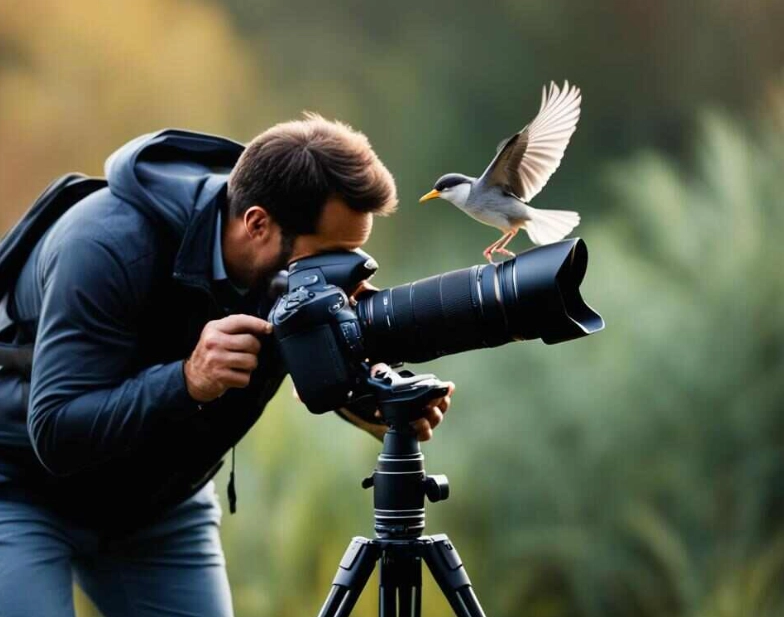
I learned this the hard way early on. I drove an hour to a "scenic birding lake" I found on a generic travel blog. It was a manicured reservoir with a concrete path, loud picnickers, and a handful of Canada Geese. A total bust. The real action was a less-photogenic wastewater treatment pond (seriously) five miles away, teeming with shorebirds. Lesson: birders define hotspots, not brochure writers.
How to Find Birding Spots Near You (Step-by-Step)
You don't need to rely on random blog lists that might be outdated. Here’s how to build your own, personalized, real-time map.
Step 1: Consult the Birder's Bible: eBird
This is non-negotiable. The Cornell Lab of Ornithology's eBird platform is the single most powerful tool. Don't just look at the map. Go to "Explore" -> "Explore Hotspots." Zoom into your area. These purple pins are locations where birders regularly submit lists. Click on one. You'll see:
- Recent sightings: What birds were seen there yesterday, last week.
- Bar charts: A month-by-month breakdown of species frequency. This tells you if it's a spring migration goldmine or a winter waterfowl haven.
- Directions and info: Often with tips from other users.
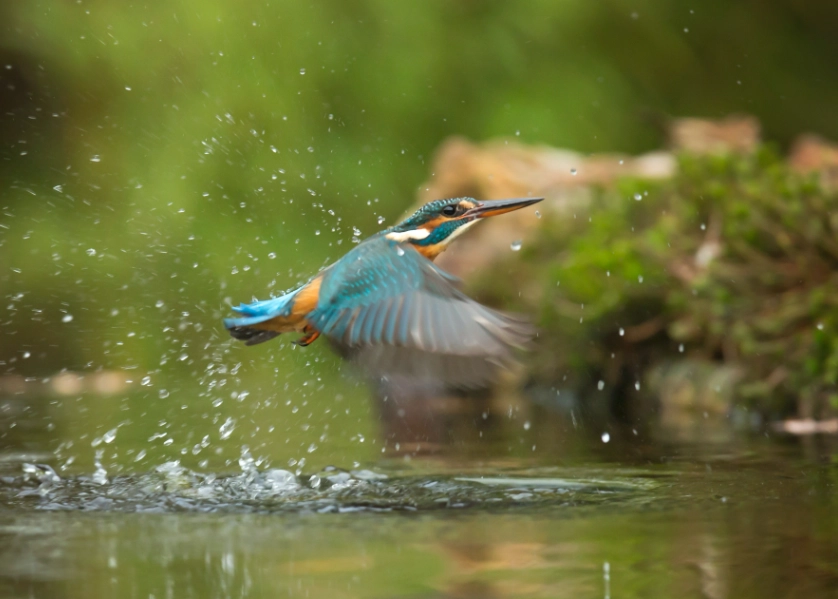
Step 2: Tap Into Local Knowledge
Digital tools are great, but human networks are better. Search for "[Your City/County] Audubon Society" or "[Your State] Ornithological Society." These groups have:
- Field trip schedules (join one!).
- Local birding guides or brochures listing prime areas.
- Email listservs or Facebook groups where people post rare bird alerts.
Step 3: Re-evaluate Your Local Green Spaces
That small community park, the overgrown cemetery, the riverwalk trail you jog on—these can be micro-hotspots. Their value changes with the season. Visit at dawn instead of noon. Walk slowly. You'll be shocked at what's been there all along.
A Spot in Action: Breaking Down a Local Favorite
Let's make this concrete. I'll use a fictional but typical spot based on many I've visited in the Pacific Northwest: Willow Creek Marsh & Upland Trails.
- Address & Access: 4500 Nature Way, Greenville. Free parking lot off River Road, open sunrise to sunset. No entry fee.
- Key Habitats: Freshwater marsh boardwalk, oak savannah, dense riparian corridor along the creek, small pond.
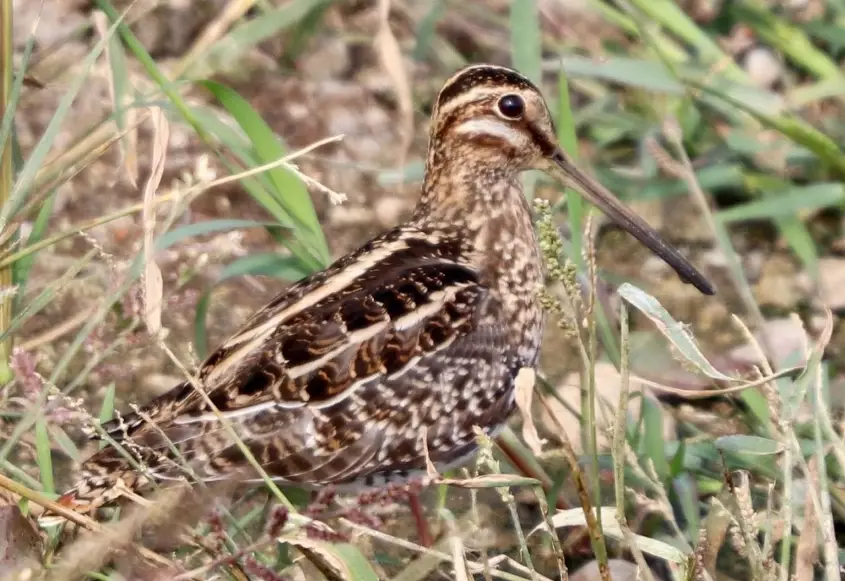
- Why It's a Hotspot: The habitat sandwich. In spring, warblers flood the oaks, while marsh wrens and rails call from the reeds. In winter, the pond holds ducks. It's a migration trap.
- Best Time to Visit: Early morning, any day of the week. Weekends get more foot traffic (dog walkers), which can push birds deeper into cover. Late April through May is peak songbird migration.
- The Not-So-Great Part: The main boardwalk can get crowded by 10 AM on a nice Saturday. The mosquitoes in July are legendary—bring repellent.
- My Personal Strategy: I skip the crowded boardwalk first thing. I head straight to the less-maintained upland trail loop. I've found more shy forest species like Pileated Woodpeckers and Hermit Thrushes there before the crowds arrive, then I hit the marsh later.
This is the level of detail you should aim to understand about a spot before you go.
Preparing for Your Visit: Beyond the Binoculars
Knowing the spot is half the battle. Being ready is the other.
Essential Gear: Binoculars, obviously. But also a field guide (the Merlin Bird ID app is fine, but a physical Sibley or National Geographic guide helps you study nuances). A notebook or your phone to log sightings. Water, snacks, layers of clothing.
The One Thing Everyone Forgets: Checking the weather and the wind. A bright, sunny day is nice for you, but birds can be less active midday. A slightly overcast morning after a night of light rain can be incredible—insects are low, birds are hungry. Strong wind makes hearing calls impossible and keeps small birds hunkered down.
Mindset: You're not on a collecting mission. You're observing. Sit quietly on a bench for 15 minutes. You'll see more than hiking briskly for an hour.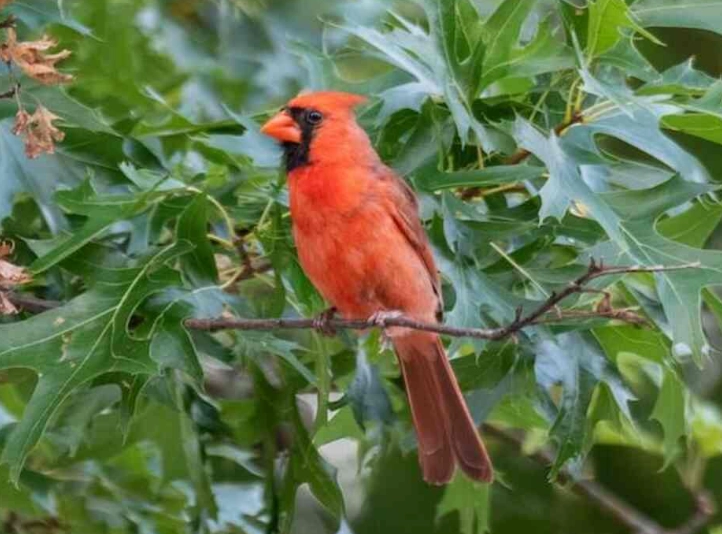
Maximizing Your Sightings at Any Location
Here’s that non-consensus tip I promised: most new birders look too high and too far. They scan the treetops for warblers (good) but completely miss the sparrow scratching in the leaf litter three feet away. Practice looking at every "layer" of the habitat: ground, shrub, understory, mid-canopy, high canopy, sky. Scan each layer slowly in a 180-degree arc. You'll double your species count.
Learn a few key bird calls before you go. Knowing the "chip" note of a migratory warbler versus the call of a resident chickadee helps you locate what's just passing through.
Finally, talk to other birders you meet. A simple "Seen anything good?" can lead to directions to a roosting owl or a rare visitor. The birding community is overwhelmingly friendly and helpful.
Your Local Birding Questions Answered
The search for "birding hotspots near me" never really ends, and that's the joy. New spots emerge, seasons change the dynamics of old favorites. The map is always being redrawn by the birds themselves. Your job is to learn how to read it. Start with the digital tools, connect with the local community, and then just go. Your local patch, that one spot you visit again and again, will teach you more than any far-flung destination. The adventure is right outside your door.
Reader Comments