In This Guide: Key Sections on Mountain Birds
- Built for the Brink: The Anatomy of a High-Altitude Survivor
- Who's Who in the Alpine Zone: Meet the Residents
- Your Guide to Mountain Birdwatching: It's Not Just Looking Up
- The Looming Shadows: Threats to Mountain Bird Populations
- Digging Deeper: Your Mountain Bird Questions Answered
- Wrapping It Up: Why These Birds Matter
You know that feeling when you're hiking, your lungs are burning, and the air feels thin enough to slice? Now imagine calling that place home, raising a family there, and flying through it every single day. That's the everyday reality for the birds we're going to talk about. I'm not just talking about birds that visit mountains; I'm talking about the true specialists, the big mountain birds whose entire existence is shaped by rock, wind, and sky. The ones that turn harshness into an advantage.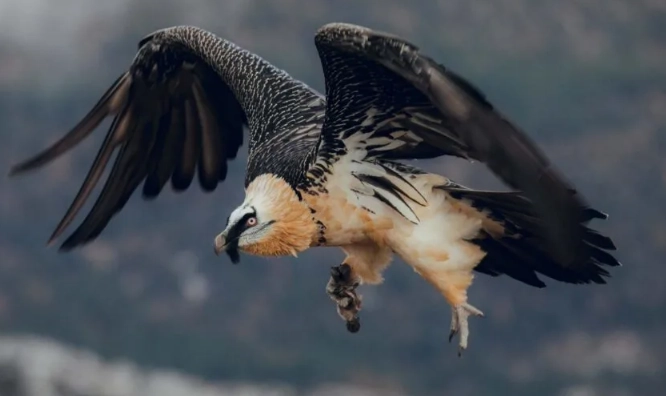
I remember the first time I truly saw one. Not just glanced at it, but understood what I was looking at. It was a Golden Eagle, a silhouette against a sheer granite face in the Rockies. It wasn't just flying; it was using the updrafts like an elevator, barely moving a muscle. It hit me then—this isn't an animal visiting a tough environment. This is an engineer, perfectly tuned to its machine. That's what fascinates me about high-altitude birds. They're not surviving up there. They're thriving.
But what does it actually take to be a bird of the big mountains? It's more than just having strong wings. It's a complete overhaul of the standard bird blueprint. We're talking about physiological magic tricks, behavioral quirks you wouldn't believe, and a kind of toughness that makes most other wildlife look soft. This guide is for anyone who's ever looked up at a craggy peak and wondered, "What lives up there?" or for the birdwatcher tired of the lowlands. We're going deep on the how, the who, and the where of these incredible creatures.
Built for the Brink: The Anatomy of a High-Altitude Survivor
Let's get one thing straight: your average backyard robin would be dead in minutes at 10,000 feet. The challenges are brutal. Cold so intense it freezes sap. Air so thin it feels like trying to breathe through a straw. Storms that appear out of nowhere. Big mountain birds don't just endure these things; their bodies are built from the ground up to handle them. It's their superpower.
The Thin Air Problem: This is the big one. Less oxygen means less fuel for muscles. How do they solve it? Their respiratory systems are outrageously efficient. Many have larger hearts and more capillaries running through their flight muscles than lowland birds, delivering every precious oxygen molecule right where it's needed. Some studies on bar-headed geese (the guys that fly over the Himalayas) show their blood cells have a special kind of hemoglobin that grabs onto oxygen more eagerly. It's like having a high-performance fuel system while everyone else is running on regular.
Then there's the cold. Feathers are great insulation, but these birds take it further. Densier plumage, downier undercoats, and even the ability to fluff up to trap more air. I've seen White-tailed Ptarmigans in Alaska burrow into snowbanks to sleep, using the snow's insulation to stay warm. Their feet? Often a network of special blood vessels that acts like a heat exchanger, warming cold blood coming from the feet with warm blood from the body so they don't lose all their heat standing on ice.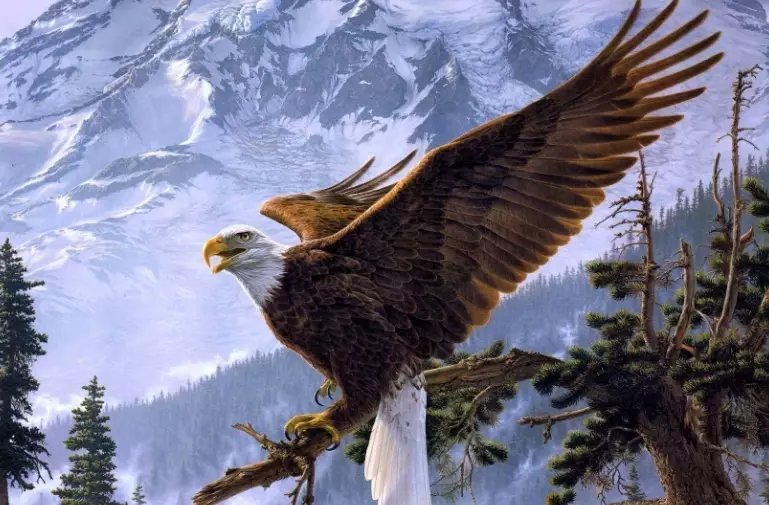
And the wings. Oh, the wings. This is where you really see the specialization. You've got two main camps:
- The Soarers: Think eagles, vultures, large hawks. They have broad, long wings—huge sails perfect for catching the thermal updrafts that bounce off mountain slopes. They can cruise for hours without a single wingbeat. Energy conservation at its finest.
- The Dartlers: Think smaller birds like rosy-finches or accentors. Their wings are shorter, more rounded, and they have incredible maneuverability for zipping between rocks, dodging gusts, and making quick, powered flights in unstable air.
It's not one-size-fits-all. The wing shape tells you the bird's job description in the mountain economy.
Who's Who in the Alpine Zone: Meet the Residents
Alright, so we know what makes them tick. But who exactly are "they"? The cast of characters changes depending on which big mountains you're in, but some groups are superstar repeat performers across the globe. These are the birds that define the high places.
The Icons: Eagles, Hawks, and Falcons
These are the poster children for big mountain birds, and for good reason. The Golden Eagle is perhaps the ultimate. It's not just a bird; it's a landscape feature. They nest on impossible cliffs, hunt across vast, open slopes, and their presence defines a healthy, wild mountain ecosystem. In the Himalayas, you have the majestic Himalayan Vulture, a massive scavenger that cleans up the high peaks. Then there are the falcons. The Peregrine Falcon, the fastest animal on the planet, uses cliff faces for its nesting "eyries," launching its breathtaking stoops from dizzying heights. These raptors are the apex predators, and seeing one is often the highlight of any mountain trip.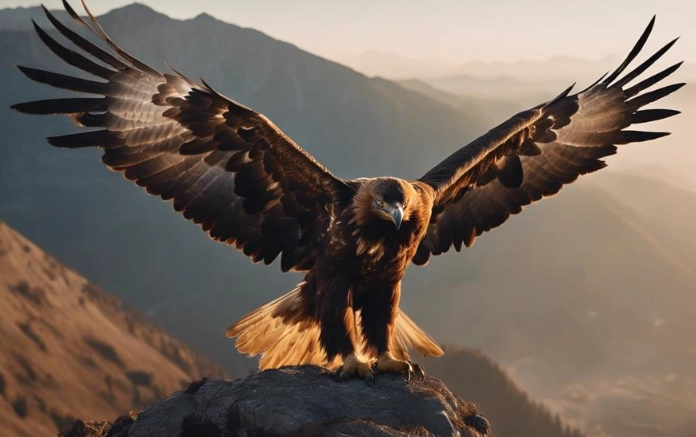
Confession time: I used to think all big mountain birds of prey were just...loners. Solitary masters of the sky. Then I spent a season observing a pair of Golden Eagles in Montana. The amount of coordination between the pair during nesting season—switching guard duty, calling to each other across valleys—was incredible. It wasn't just brute force up there; it was a partnership. It completely changed my perspective.
The Unsung Specialists: Grouse, Ptarmigan, and Snowcocks
If the raptors are the kings, these are the true mountain peasants—and I mean that in the most admirable way. They live their entire lives on the ground, in the harshest conditions. Ptarmigans are the masters of disguise, molting from mottled brown in summer to pure white in winter. They even grow feathers on their feet, turning them into snowshoes. The Rock Ptarmigan is a classic of Arctic and alpine zones. Then you have the Himalayan Snowcock, a giant, partridge-like bird introduced to the Nevada mountains that looks utterly out of place yet thrives. These birds don't have the glamour of flight; their genius is in camouflage, insulation, and knowing every inch of their rocky, windswept home.
The Surprising Adaptors: Finches, Choughs, and Accentors
This is the group that blows my mind. Small, songbird-sized creatures living where it seems no songbird should. The Rosy-Finches of North America are a perfect example. They look like sparrows dipped in raspberry juice. They swarm over snowfields, feeding on seeds blown up from below or insects caught in the snow. Their social flocks are a survival tactic—more eyes to find food and spot predators like the Gyrfalcon. Then there are the Alpine Choughs, crow relatives with bright yellow bills that are incredibly intelligent and playful, riding updrafts around mountain huts. The Alpine Accentor is a drab little bird with a stunning, complex song that nests in rock crevices. They prove that you don't need to be big to conquer the big mountains.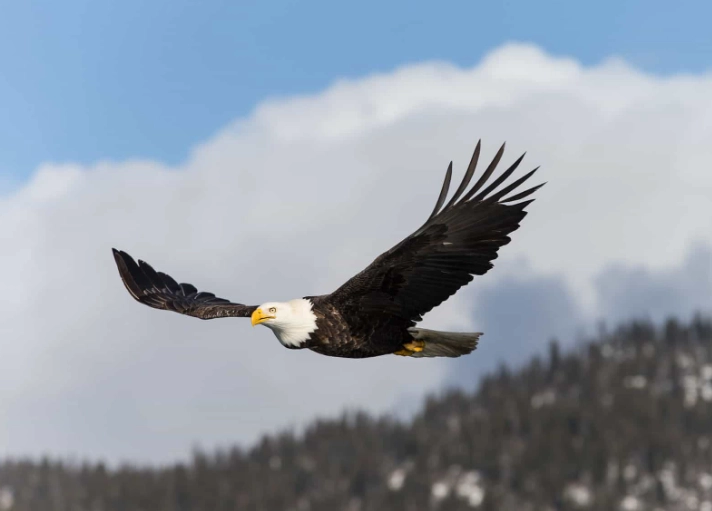
To give you a clearer picture of how these amazing big mountain birds stack up across different ranges, here's a quick overview:
| Bird Group | Example Species | Key Mountain Range(s) | Signature Adaptation |
|---|---|---|---|
| Large Raptors | Golden Eagle, Lammergeier | Rockies, Alps, Himalayas, Andes | Broad wings for soaring on thermals; nest on remote cliffs. |
| Ground Dwellers | Rock Ptarmigan, Himalayan Snowcock | Arctic/Alpine worldwide, Himalayas, Nevada ranges | Seasonal camouflage; feathered feet for snow; cold-hardy physiology. |
| High-Altitude Songbirds | Gray-crowned Rosy-Finch, Alpine Accentor | North American Rockies, European Alps, Asian highlands | Social flocking for foraging; nest in protected rock crevices; hardy seed/insect diet. |
| Scavengers | Andean Condor, Himalayan Vulture | Andes, Himalayas | Massive wingspan for low-energy flight; keen eyesight to locate carrion over vast areas. |
Your Guide to Mountain Birdwatching: It's Not Just Looking Up
So you want to see these birds for yourself? Fantastic. But birding in the mountains is a different sport. It's less about a quiet woodland walk and more about expedition planning. Here's the stuff I've learned the hard way, so you don't have to.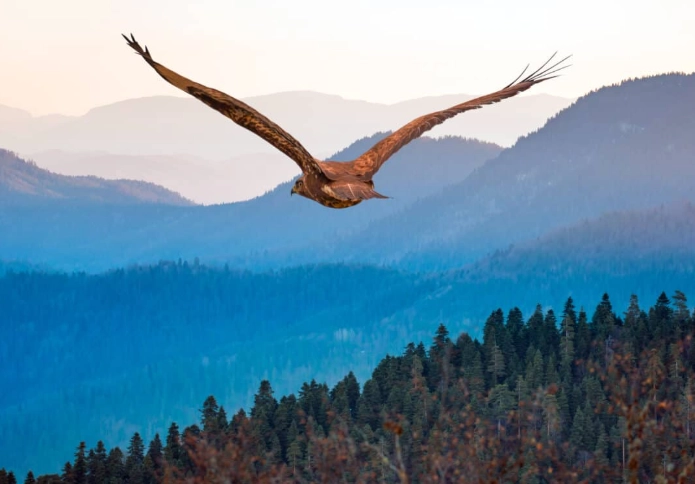
First, when do you go? Timing is everything. Summer is the obvious choice—accessible terrain, active birds breeding and feeding young. But early summer can still have snow blocking high passes, and late summer brings thunderstorms. My sweet spot is mid-to-late summer. For some species, like ptarmigan in winter plumage, a late autumn trip after the first snows can be magical (and brutally cold).
Where do you look? This is the key. Don't just hike and hope. Target specific habitats:
- Cliff Faces & Rock Outcrops: Scan carefully with binoculars. Look for whitewash (bird droppings) on ledges—a sure sign of a nest or roost for raptors or ravens. Listen for the echoing calls of chicks.
- Alpine Meadows & Tundra: Get low and scan slowly. Look for movement among the low plants. Rosy-finches love these open areas. Sit quietly for 15 minutes and the landscape often starts to "come alive" with birds you didn't see at first.
- Ridgelines & Passes: These are aerial highways. On a day with good sun, thermal updrafts form along ridges. This is where you'll see soaring eagles, hawks, and vultures riding the elevator. Be there in the late morning when the sun has warmed the slopes.
- Near Snowmelt & Streams: Water attracts insects, which attract birds. American Pipits and Water Pipits are often found here.
The single most useful piece of gear after good binoculars? A comfortable, lightweight sitting pad. Mountain birding involves a lot of waiting and scanning from one spot. Being able to sit comfortably on cold, wet rock for 20 minutes will improve your sightings more than any fancy lens.
Gear is non-negotiable. You need binoculars that are bright (large objective lens, like 8x42) and can handle being knocked around. A spotting scope on a tripod is a game-changer for distant cliff nests, but it's heavy. Only bring it if you're planning to stay in one area for a while. Dress in layers—it can go from sunny and warm to windy and freezing in minutes. And for the love of all that's holy, break in your boots before you go. Blisters at 11,000 feet are a special kind of misery.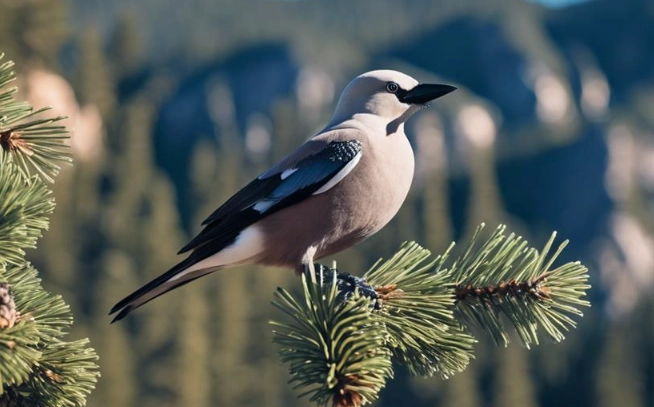
Ethics are huge up here. These birds are often on the edge, energy-wise. Getting too close to a nest can cause parents to abandon it or leave eggs/chicks exposed to cold or predators. Use your zoom lens. Stay on established trails to avoid trampling fragile alpine plants that are part of the food web. The principles from organizations like the American Birding Association's Code of Ethics are a perfect guide—minimize disturbance, respect the environment, and promote the welfare of the birds.
The Looming Shadows: Threats to Mountain Bird Populations
It's not all soaring freedom and majestic views. These tough birds face a pile of new threats that their adaptations didn't prepare them for. The biggest one is climate change, and it's acting in sneaky ways.
Warming temperatures are shrinking alpine habitats. Period. As the tree line climbs up the mountain, the unique, open "island" of alpine tundra gets smaller. For birds that only live there, like some rosy-finch populations, there's literally nowhere else to go. You can't go up when you're already at the top. I've read research from places like the U.S. Geological Survey showing how these habitat islands are getting pinched, and it's worrying.
Then there's the mismatch. Warmer springs might trigger insects to hatch earlier. But if the migration cues for the birds that eat them (based on day length) don't change, the birds arrive after the buffet is over. No food for the chicks. This kind of trophic mismatch is a silent killer.
Beyond climate, human disturbance is increasing. More people are accessing the backcountry—drones buzzing nests, free-route climbers disturbing cliff-dwelling birds, and even well-meaning photographers getting too close. Recreational pressure is a real thing. And then there's infrastructure: wind turbines placed on migratory corridors or ridges can be a collision risk for large soaring birds. It's a complex problem because we need renewable energy, but we have to site it smartly.
It feels overwhelming sometimes.
But here's the thing: because mountain ecosystems are often more pristine and less directly developed, conservation efforts here can be incredibly effective. Protecting a large mountain watershed protects everything downstream, including the birds.
Digging Deeper: Your Mountain Bird Questions Answered
Wrapping It Up: Why These Birds Matter
At the end of the day, why should we care about a bunch of birds living on rocks far away? For me, it's not just about the birds themselves. Big mountain birds are living barometers. Their presence and health tell us about the health of the entire mountain ecosystem—the water, the air, the plants, the predators and prey. They are the most visible indicators of the wild heart of these places.
They're also a lesson in resilience and specialization. In a world that often feels homogenized, they are stunningly unique, adapted to a niche that few other creatures can even attempt. Watching a lammergeier (Bearded Vulture) crack an ossuary bone on a rock or hearing the whisper-song of an accentor in a silent, high pass is a connection to a wilder, older Earth.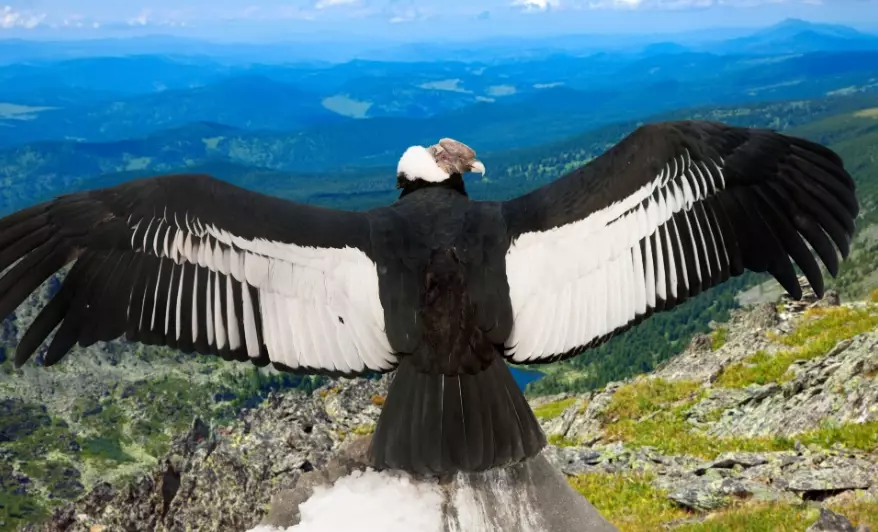
My advice? Pick a mountain range, big or small, and learn about its avian residents. Get a good map, some decent binoculars, and go see them. Go with patience and respect. The experience of finding them—of earning that sighting with your own effort—is unlike any other kind of birding. It's less a hobby and more of a pilgrimage. And trust me, once you've seen the world from the perspective of a big mountain bird, even just for a moment, you'll never look at a mountain the same way again. You'll see it not as a barren wasteland of rock, but as a home. A challenging, beautiful, and utterly vital home.
Reader Comments