Bird photography feels impossible at first. You see a beautiful bird, raise your camera, and get a blurry brown smudge against a cluttered background. I've been there. The truth is, capturing sharp, compelling images of birds has less to do with spending ten thousand dollars on gear and everything to do with understanding a handful of key principles. This guide cuts through the noise. We'll move past the generic advice and into the specific tactics that separate frustrating outings from a memory card full of keepers. Let's start with the most important thing: your success hinges more on technique than on the camera brand you own.
What You'll Learn in This Guide
Essential Gear for Bird Photography (Without Breaking the Bank)
You need the right tools. But "right" doesn't automatically mean "most expensive." I've seen stunning photos taken with modest setups by photographers who knew how to use them. Let's break down what actually matters.
The Camera Body: DSLR vs. Mirrorless
The debate is largely over for wildlife. Mirrorless cameras, like those from Sony, Canon (R series), and Nikon (Z series), offer a decisive edge for birds. Their autofocus systems can track a bird's eye across the frame with terrifying accuracy, something DSLRs struggle with. The electronic viewfinder shows you your exact exposure and depth of field before you press the shutter. If you're buying new, go mirrorless. If you have a capable DSLR like a Canon 7D Mark II or Nikon D500, you can still take amazing photos—you'll just work a bit harder on tracking.
The Lens: The Heart of the System
This is where you should invest. A long telephoto lens is non-negotiable. Forget trying to "zoom with your feet" for most wild birds; you'll just scare them away. Here’s a realistic breakdown of options:
| Lens Type | Typical Focal Length | Best For | Major Trade-off |
|---|---|---|---|
| Superzoom / Bridge Camera | 24-1000mm+ (equiv.) | Absolute beginners, travelers, low budget entry. | Image quality, especially in low light. Slow autofocus. |
| Telephoto Zoom (e.g., 100-400mm, 150-600mm) | 100-600mm | Most bird photographers. Versatile, relatively affordable. | Heavier, variable aperture (e.g., f/5.6-6.3) limits low-light performance. |
| Prime Telephoto (e.g., 300mm f/4, 500mm f/5.6) | 300mm, 400mm, 500mm, 600mm | Serious enthusiasts who value sharpness and speed. | High cost, no zoom flexibility—you "zoom with your feet" or a teleconverter. |
My personal workhorse for years was a Sigma 150-600mm Contemporary lens. It's not perfect—the autofocus hunts a bit in deep shade—but for the price, the reach it provides is incredible. I'd pick a used 150-600mm over a brand-new, cheaper 70-300mm any day for dedicated birding.
The Support System: Tripod, Head, and Beanbag
Handholding a 600mm lens for more than a few minutes is a workout, and shaky hands ruin shots. A sturdy tripod is a game-changer for image sharpness. The head is more critical than the legs. You need a gimbal head (like a Wimberley or comparable) or a very good fluid video head. These allow you to smoothly track a moving bird with minimal effort and lock the position instantly. For car window shooting, a sturdy beanbag is the best $30 you'll ever spend.
Mastering Your Camera Settings for Birds
Put your camera in manual mode. Just kidding—sort of. The goal is to control the variables that matter most, not to make things unnecessarily hard.
The Autofocus Revolution: Animal Eye AF
If your mirrorless camera has Animal Eye AF, turn it on and leave it on. This technology is black magic for bird photographers. It finds and sticks to the bird's eye, even through branches. For DSLRs or cameras without it, use Dynamic Area AF (Nikon) or Zone AF (Canon) with a cluster of points. The key habit few mention: Use the AF-ON button (back-button focus) to separate focusing from shutter release. This lets you lock focus, recompose, and fire without the camera hunting again.
The Exposure Trinity: Shutter Speed is King
Forget aperture priority for birds in flight. Your priority is freezing motion.
- Shutter Speed: This is your most important setting. For perched birds, start at 1/500s. For birds in flight, you need 1/2000s or faster. Small, fast birds like hummingbirds? 1/4000s. Don't be shy.
- Aperture: Use the widest your lens allows (smallest f-number, like f/5.6 or f/6.3) to let in the most light, enabling those fast shutter speeds. This gives you a shallow depth of field, blurring the background (bokeh).
- ISO: Let it float. Set Auto ISO with a maximum limit (e.g., 6400 or 12800 on modern cameras). A sharp, noisy photo is always better than a blurry, clean one. You can reduce noise in post-processing; you can't fix motion blur.
I shoot in Shutter Priority (Tv/S) mode 90% of the time. I set the shutter speed I need, set the aperture to widest, and let Auto ISO handle the rest. It's fast and effective.
Field Techniques: Getting Close and Getting the Shot
Gear and settings are useless if you're 100 yards from your subject. This is where the real art begins.
Location and Patience: The Unseen Gear
Research is everything. Use eBird (a fantastic resource from the Cornell Lab of Ornithology) to find hotspots near you. Go to ponds at dawn. Visit sewage treatment plants (seriously—they attract shorebirds). Sit in one promising spot for an hour instead of walking for an hour. Birds will often return to a perch if you stay still and quiet.
The Art of the Approach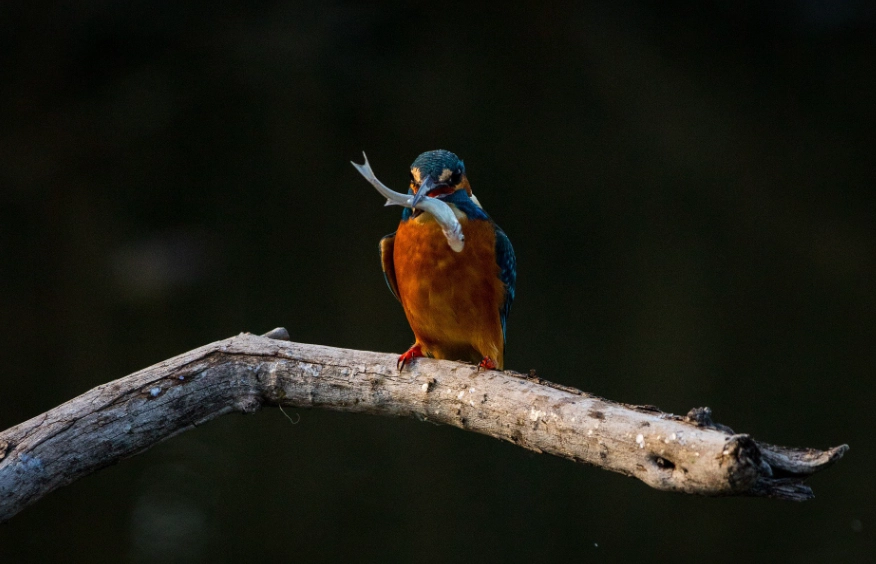
Move slowly, in a zig-zag pattern, not directly towards the bird. Avoid eye contact. Use natural cover. If the bird looks alert (head up, body tense), stop and pretend to look at something else. Wait for it to relax before moving again. Most beginners spook birds by moving too fast and too directly.
I remember trying to photograph a Belted Kingfisher for weeks. They're notoriously skittish. I finally got my shot not by chasing, but by finding its favorite perch over a creek, setting up my tripod 50 feet away at sunrise, wearing camouflage, and waiting. It took three mornings, but it landed right where I predicted. Patience isn't just a virtue; it's a strategy.
Predicting Behavior for Dynamic Shots
Perched birds are a start, but action tells a story. Learn behavior.
- Takeoff/Landing: Watch for preening followed by a look around. The bird is about to move.
- Hunting: A heron standing still will eventually strike. Pre-focus on the water near its beak.
- Interaction: Birds squabble. If two are calling at each other, get ready for a chase sequence.
Set your camera to high-speed continuous shooting (burst mode) when you sense action is imminent. Fill the buffer.
Composition and the Final Touch
A sharp, well-exposed photo of a bird is a record shot. A well-composed one is art.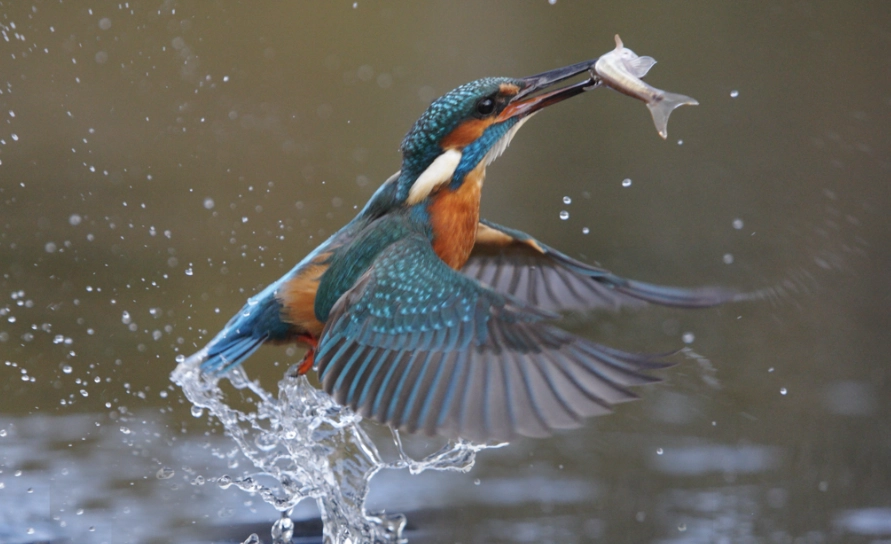
Framing Your Feathered Subject
Give the bird space to look or fly into. Don't center it unless you're going for a tight portrait. Use the rule of thirds loosely. Pay more attention to the background than the bird itself before you shoot. Is it a messy tangle of branches or a smooth, out-of-focus green? Position yourself to get the cleanest backdrop possible. Get low—eye level with the bird creates intimacy and a natural perspective.
The Editing Necessity
Every great bird photo is edited. Use Lightroom, Capture One, or even powerful free tools like Darktable. Your basic edits should include:
- Crop: Tighten the frame to emphasize the subject.
- Exposure/Contrast: Adjust to make the bird pop.
- Sharpening: Apply selective sharpening to the bird's eye and feathers.
- Noise Reduction: Apply judiciously to the background, less so to the subject to preserve detail.
Don't overdo it. The goal is to enhance what you captured, not to create a digital painting.
Your Bird Photography Questions, Answered
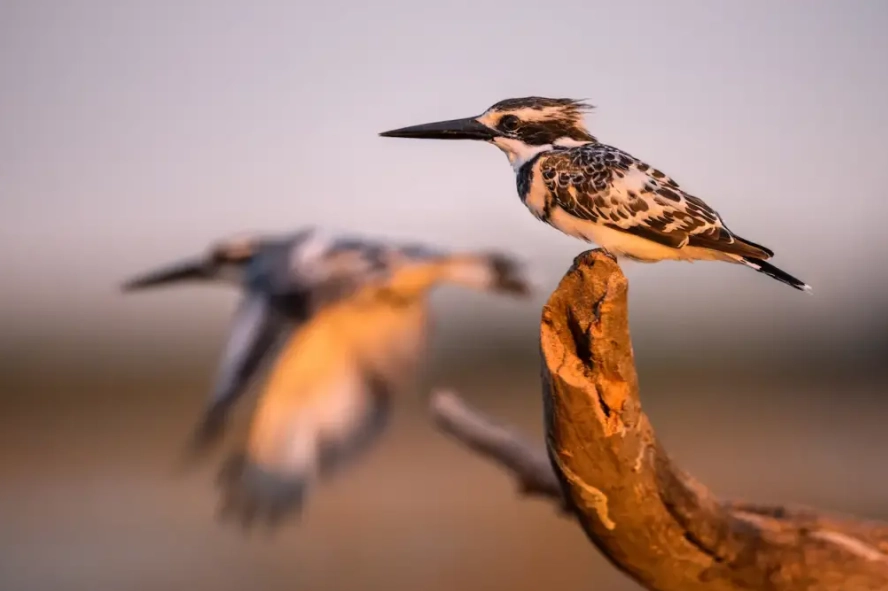 How do I get a blurry background (bokeh) when my lens only goes to f/6.3?
Reader Comments