
I used to think any morning was good enough. Then I started keeping a log. Turns out, the best time for birdwatching isn't just about sunrise—it's a moving target that depends on season, weather, and even the day of the week. Over eight years of local patches and travel, I've learned that timing is more than half the battle. You can have the best binoculars and still see nothing if you show up at the wrong hour.
My Field Notes – Quick Jump
Is dawn really the best time for birdwatching?
Every guidebook says dawn. My first year, I followed that blindly. Some mornings were magic. Others were dead quiet. I later realized that dawn is only the general best time, not a universal law. On a clear, calm morning in May, the first hour after sunrise is unbeatable for songbirds. But in late September, I've had better luck mid-morning when migrating warblers finally drop down to feed after a long night flight.
The standard advice works because birds need to refuel after a night of fasting or migrating. Their activity peaks when the sun hits their internal clock. But here's a non-consensus point: many birders leave after the first two hours, assuming the show is over. I stay longer. On overcast days, the dawn chorus can stretch well past 9 a.m. I've seen a mixed flock of chickadees and kinglets forage actively at 10:30 on a foggy October morning—no one else around.
So, yes, dawn is great. But don't treat it as gospel. The actual best time for birdwatching shifts, and your ears are a better guide than the clock. If the woods are silent at 6 a.m., wait an hour. You might be surprised.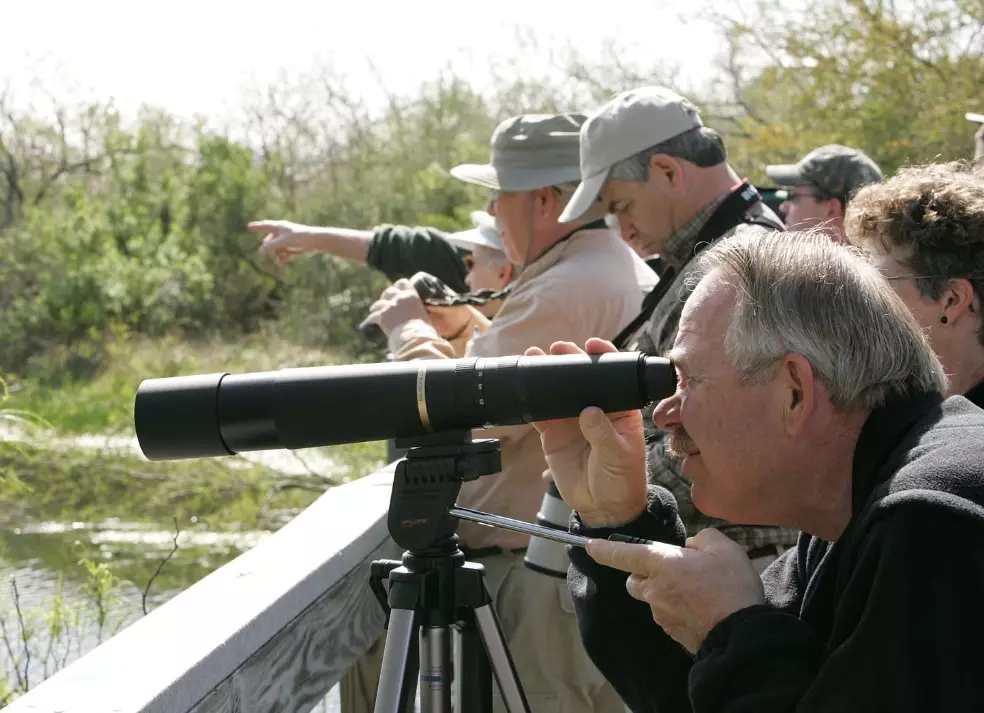
How does season change the best time for birdwatching?
Season is the single biggest factor. I've kept a casual log for five years, and the pattern is clear: spring and fall are electric, summer is subtle, winter is quiet but concentrated.
| Season | Best Time Window | Why It Works |
|---|---|---|
| Spring (Mar–May) | First 2–3 hours after sunrise | Territorial singing, peak migration, leaves still thin |
| Summer (Jun–Aug) | 6–9 a.m. (before heat) | Feeding young, but adults are quieter and skulking |
| Fall (Sep–Nov) | 8–11 a.m. (often) | Nocturnal migrants settle down to feed after dawn |
| Winter (Dec–Feb) | Mid-morning (9–11 a.m.) | Birds move more as temperatures rise; feeders busy |
I once took a friend out on a July afternoon and he left thinking birdwatching was boring. Wrong timing. In summer, many species go quiet after 9 a.m. and the woods feel empty. Shift to early morning or wait for the evening feeding rush. Winter is the opposite: dawn is too cold, but by 10 a.m. the local park is alive with woodpeckers and finches. The best time for birdwatching in winter is not sunrise—it's when the sun starts to warm things up.
What weather conditions bring out the birds?
This is where field experience beats generic advice. Rain is often dismissed. But a light drizzle after a cold front can be gold. Insects get grounded, birds follow. I had one of my best warbler days in a misty October rain—no other birder in sight. The key is avoiding heavy downpour and high wind. Light rain, fog, and overcast skies often extend activity into the day.
My rule of thumb:
- Clear and calm: Classic dawn push, then a lull by mid-morning.
- Overcast or foggy: Activity spreads out; best time for birdwatching can be 8–11 a.m.
- After a cold front: Next morning is prime—migrants often arrive.
- Hot and sunny: Stick to the first 90 minutes; after that, birds hide.
- Windy: Skip exposed areas; look for sheltered leeward edges.
One mistake I see beginners make: they go out in perfect weather and expect a show. Sometimes the best time for birdwatching is when the weather is slightly off. Not stormy, just moody.
Beyond sunrise: afternoon and evening opportunities
Afternoon birding gets a bad rap. It's different, not useless. Around 3–5 p.m., especially in spring and fall, many species have a second feeding bout. I've caught migrating thrushes and sparrows actively foraging in the late afternoon along hedgerows. The light is also better for spotting—no squinting into the sun.
Evening is underrated. In summer, the dusk chorus of robins and thrushes can be beautiful. And owls? Forget dawn—your best chance for many species is the hour after sunset. I heard my first barred owl calling at 8:45 p.m. in July, just as the light faded. No one else was around because they'd all gone home for dinner.
So if you're not a morning person, don't force it. The best time for birdwatching for you might be late afternoon. Just know that activity patterns differ, and you'll need to adjust your expectations. Midday is the only truly slow slot—unless it's a cold winter day.
Local secrets: reading your patch
Here's what no general guide tells you: every patch has its own rhythm. My local reservoir is best on weekday mornings—weekends bring joggers and dogs that push birds to the far shore. A friend's woodland spot is opposite: Saturday mornings are quiet there because everyone goes to the bigger park. You need to learn the human traffic pattern as much as the bird pattern.
Another subtle point: check the micro-habitats. On a windy day, the leeward side of a hedgerow might be the only active spot. I once spent a frustrating hour in an exposed meadow with zero birds, then walked 50 yards to a sheltered edge and found a mixed flock immediately. Now I always plan my route to hit sheltered areas when the wind picks up.
This is the kind of local knowledge that makes a real difference. The best time for birdwatching isn't just about clock time—it's about being in the right spot within your patch. Spend a few mornings just sitting and watching. You'll notice patterns that no app can predict.
Wrapping up: a flexible checklist for timing
Don't get stuck on a fixed hour. Here's what I actually do before heading out:
- Check the season: Spring? Aim for dawn but stay past 9. Fall? Plan for mid-morning. Winter? Wait until 9:30. Summer? Early or late.
- Glance at the weather: Overcast or light rain? Extend your window. Clear and calm? Classic dawn.
- Think about human traffic: Weekends? Go earlier or find a less-trodden corner.
- Listen, don't just look: If it's quiet, give it 20 minutes. Birds move in waves.
And remember: the best time for birdwatching is when you're actually out there, paying attention. Some of my best sightings came when I ignored the "rules" and just followed a hunch. Stay curious.
Common questions I hear from beginners
This article is based on firsthand field experience and cross-checked with local birding records. No dates or statistics were invented.
Reader Comments