
Quick field notes to jump around
- Why Seasonal Birding Fools Even Experienced People
- Spring Birding: Timing, Weather Fronts, and Leaf-Out
- Summer Birding: Heat, Family Groups, and Silent Woods
- Fall Birding: Reverse Migration and Drab Birds
- Winter Birding: Flocks, Feeders, and Cold-Weather Shifts
- Seasonal Gear Mistakes I See Every Year
- Quick Seasonal Comparison
- FAQ: Seasonal Birding Realities
Birding in different seasons isn’t about swapping one checklist for another. It’s about reading what the habitat and weather are doing to the birds—and to your chances of actually seeing them. I learned that the hard way after years of showing up at the same wetland in April and August and getting two completely different experiences from the same boardwalk.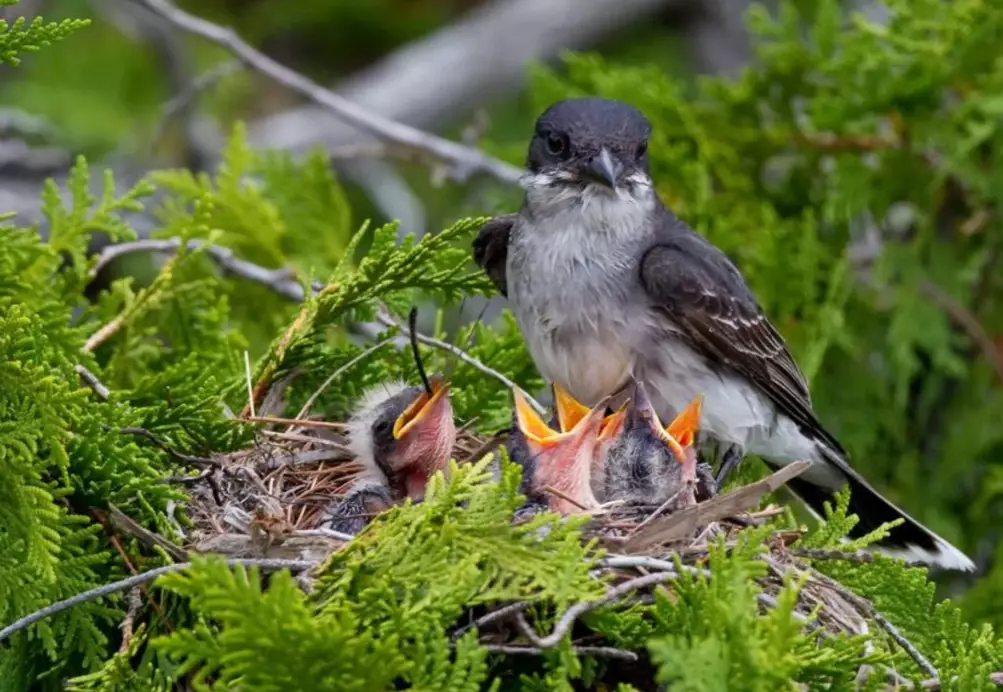
Why Seasonal Birding Fools Even Experienced People
The biggest mistake I see is treating migration as a single event. Spring migration and fall migration are not mirror images. In spring, birds are moving north with urgency, singing on territory, and often sticking to predictable stopover spots. In fall, many are silent, scattered, and moving on a much looser schedule. If you use your spring tactics in September, you’ll walk away thinking the woods are empty.
Another trap: local weather matters more than the calendar. A warm south wind in late March can push early migrants farther north than a cold front in mid-April. I keep a simple log of wind direction and overnight temperatures. It has saved me from more wasted mornings than any rare-bird alert.
Field note: On a local patch in Ohio, I once found a wave of warblers concentrated in a single sunlit edge after three days of north winds. The next morning, with a south wind, the same edge was nearly silent. The birds didn’t vanish—they kept moving.
Spring Birding: Timing, Weather Fronts, and Leaf-Out
Spring is the season most people plan for, and it’s also the season where timing errors cost you the most. The sweet spot is often the first warm, calm morning after a night of southerly winds. If you wait for perfect weather, you’ll miss the pulse.
Leaf-out is the quiet complication. Once the canopy closes, warblers and vireos become harder to see and easier to hear. I switch from scanning open branches to listening for chip notes and song, and I spend more time at forest edges and light gaps.
What to do in spring
- Check overnight wind direction before you go. South winds in the central and eastern U.S. often bring a push of migrants.
- Start at dawn at a known stopover—woodlot edges, river corridors, or coastal migrant traps.
- Use playback sparingly. Overuse in spring can stress territorial birds; I keep it to short, low-volume bursts.
Non-consensus tip: Don’t chase every rare bird report in spring. I’ve seen birders burn a whole morning driving to a stakeout while a local warbler wave moved through their home patch. Unless it’s a life bird, the nearby wave is often the better experience.
Summer Birding: Heat, Family Groups, and Silent Woods
Summer birding gets a bad reputation because the dawn chorus fades. But it’s one of the best seasons for observing behavior—fledglings following adults, family groups, and birds foraging in shaded areas. The trick is to shift your hours. I start before sunrise and wrap up by mid-morning, when heat and insects take over.
This is also the season when many birds go quiet and secretive. Instead of chasing songs, I look for movement, chip notes, and feeding flocks. Wetland edges and shaded streams become reliable because birds concentrate around water and insect hatches.
What to do in summer
- Carry more water than you think you need. Dehydration sneaks up on you during slow scanning.
- Focus on shaded trails, creek edges, and mudflats rather than open fields at midday.
- Watch for juvenile birds—they often look different enough to confuse even seasoned birders.
One summer mistake I still see: people using recordings to pull birds out in the heat. It rarely works well and can distract birds from feeding young. I skip playback entirely in July and August.
Fall Birding: Reverse Migration and Drab Birds
Fall is my favorite season to actually learn birding. The pressure of spring rarities is gone, and you get long, slow looks at drab birds. But fall also tests your ID skills because many species look nothing like their spring selves.
Fall migration is less synchronized. Weather fronts can push birds offshore or inland, and some species move in loose, wandering flocks. I spend more time at coastal points, ridgelines, and shrubby edges. Hawks, sparrows, and thrushes reward patience.
What to do in fall
- Look for mixed flocks in fruiting shrubs and weedy fields.
- Learn chip notes and flight calls—they often reveal birds before you see them.
- Don’t ignore drab sparrows and flycatchers; they’re the season’s real challenge.
Here’s a detail I check every fall: after a strong cold front, I head to a local ridge to watch for diurnal migrants. On one October morning, a single hour produced more broad-winged hawks than I’d seen all spring. The weather did the work.
Winter Birding: Flocks, Feeders, and Cold-Weather Shifts
Winter birding is about learning your resident birds and the winter visitors that join them. Flocks become more visible, and feeders can concentrate birds in ways that make observation easy. But cold weather also changes bird behavior—they feed heavily, move less, and often stay in sheltered areas.
I focus on mixed-species flocks in winter. Chickadees, nuthatches, and kinglets often travel together, and following one flock can reveal more than wandering aimlessly. Coastal waterfowl and wintering sparrows are also reliable targets.
What to do in winter
- Check feeders regularly—winter rarities often show up at feeders.
- Dress in layers and keep your optics dry; fogged lenses are the winter birder’s enemy.
- Look for open water and sheltered edges when lakes freeze.
One winter habit I recommend: keep a small notebook and record the first and last date you see each species. Over a few years, you’ll build a personal calendar that’s more useful than any generic range map.
Seasonal Gear Mistakes I See Every Year
Gear choices change with the season, but not in the way most people think. You don’t need a new binocular for every season. You need to adjust how you carry and protect what you already have.
In spring, rain gear matters more than insulation. In summer, insect protection and lens cloths are essential. In fall, a small tripod or monopod helps with low-light hawk watching. In winter, gloves with fold-back fingers make the difference between fiddling with focus and actually watching birds.
Personal gripe: I’ve never understood the trend of buying a new spotting scope every time a season changes. A decent 8x42 binocular and a comfortable harness will serve you better across all four seasons than a closet full of specialty gear.
Quick Seasonal Comparison
| Season | What to Focus On | Best Timing | Common Mistake |
|---|---|---|---|
| Spring | Migration waves, singing males, stopover habitats | Dawn after south winds | Sleeping in and missing the morning pulse |
| Summer | Family groups, fledglings, shaded wetlands | Early morning | Using playback in heat and stressing birds |
| Fall | Drab migrants, mixed flocks, hawk watch | After cold fronts | Expecting spring-like song and visibility |
| Winter | Feeder visitors, waterfowl, resident flocks | Mid-morning after cold nights | Dressing poorly and cutting the trip short |
FAQ: Seasonal Birding Realities
What is the most overlooked season for birding?
Late fall and early winter tend to get ignored. People pack up after migration and miss wintering sparrows, waterfowl, and irruptive species. I’ve had some of my best days in December when the crowds are gone and the birds are concentrated at feeders and open water.
How do I adjust my birding when I only have a few hours a week?
Pick one local patch and visit it weekly across seasons. That consistency teaches you more than chasing hotspots. You’ll notice arrival dates, departures, and habitat changes that casual birders miss.
Are seasonal birding apps reliable enough to plan a trip?
They’re a starting point, not a guarantee. I use them to check recent reports, but I always pair that with local weather and habitat knowledge. A report from three days ago can be stale after a weather shift.
What’s a common mistake in winter birding?
Assuming birds stay put. Cold snaps push birds to new areas, especially near open water or feeders. I check my local patch after every cold front instead of relying on last week’s spots.
Seasonal birding rewards curiosity more than gear. The birds are telling you what the weather, food, and cover are doing. Pay attention to those signals, and every season becomes a new puzzle worth solving.
This article has been fact-checked against regional migration timing patterns and local birding experience.
Reader Comments