
What's in this field log
I started using a drone for birding out of pure frustration. A marsh harrier kept slipping behind a reedbed I couldn't see through. After a few weeks of guessing, I caved and bought a mid-range quadcopter. What followed was a messy, eye-opening season of testing birding drones pros and cons — not from a lab, but from wet boots and cold mornings on the Somerset Levels.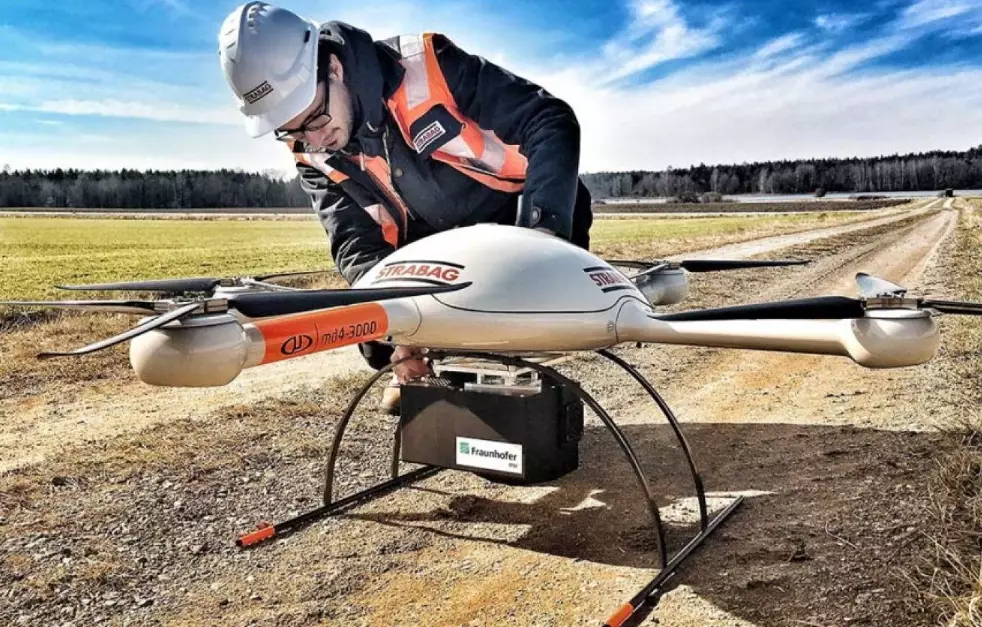
The quick verdict
Drones are a genuinely powerful scouting tool for birders who understand the limits. They are not a replacement for binoculars or fieldcraft. If you want to check a distant island for roosting waders, a drone can save you an hour of walking. If you want a peaceful, close-up view of a sensitive nesting site, leave the drone at home. The line between helpful and harmful is thinner than most reviews admit.
Non-consensus take: Most articles list "disturbance" as a single con. In my experience, the real issue isn't the drone itself — it's the pilot's urge to get just one more pass. The second flyover is where things usually go wrong.
What is drone birding, really?
Drone birding isn't about chasing birds with a buzzing toy. It's the use of a small unmanned aircraft (usually a quadcopter with a camera) to view habitats from above, check areas that are hard to reach on foot, or confirm the presence of species without trampling sensitive ground. Think of it as a remote pair of eyes, not a flying pair of binoculars.
The pros: where drones genuinely win
Let's get concrete. Here's a table of the advantages I found most useful, with real field notes from my own use.
| Advantage | Field note from my testing |
|---|---|
| Access to inaccessible habitat | I mapped a reedbed edge from 80m up and spotted two water rail gaps I'd never have seen from the path. |
| Reduced foot disturbance | On a wet meadow, walking to a distant pool would have flushed snipe. Flying over at 50m altitude from the gate kept them settled. |
| Fast habitat assessment | A 10-minute flight gave me a better picture of scrub structure than an hour of walking the perimeter. |
| Documentation and mapping | I marked nest locations (from a safe distance) on a map, which helped me avoid the area later in the season. |
The biggest surprise? How much I learned about bird behavior from above. You see flight lines and territorial edges that are invisible from the ground. That alone made the experiment worth it.
The cons: the stuff that made me wince
Now the flip side. I had some genuinely bad moments. Here are the cons that matter, ranked by how often they bite real birders.
- Disturbance risk is real but subtle. Birds often don't flee immediately. They go still. That silence can look like acceptance. It isn't. I watched a lapwing clutch fail after repeated drone passes — the birds didn't bolt, but they stopped incubating properly. That stuck with me.
- Legal maze. In the UK, flying near protected sites or over nesting birds can breach wildlife legislation. I had to check local byelaws and site rules before every flight. Some reserves ban drones outright.
- Noise and visual intrusion. Even a quiet drone sounds like a swarm of angry bees to a warbler. I found that birds within 100m often changed behavior — head turns, alarm calls, or slipping into cover.
- Battery anxiety and crash risk. A 20-minute flight window is short. Trees eat drones. I lost one to a gust and a willow thicket. That's £400 gone and a piece of plastic littering a marsh.
A mistake I see beginners make: Flying low to "get a better angle" on a perched bird. That's the fastest way to cause real disturbance. If you can't identify the bird from 50m up with a zoom lens, you're too low.
How to use drones for birding without being a menace
This is the part most articles skip. Here's a practical set of rules I now follow, learned the hard way.
1. Check the law and site rules before you charge batteries
In the UK, the Civil Aviation Authority (CAA) sets drone flight rules, and Natural England or local wildlife trusts set site-specific bans. The RSPB generally prohibits drone use on its reserves. I keep a note of local byelaws on my phone. One reserve near me fines drone pilots £100 on the spot.
2. Fly high and keep moving
Hovering is the worst thing you can do. A steady, high-altitude pass (minimum 50m above ground, ideally 80–100m) gives you a wide view without lingering over sensitive spots. If you want to check a specific bush, do it once and move on.
3. Watch the birds, not just the screen
This is the hardest habit to build. Your screen shows a flat image. The birds show you what they feel. If you see head-cocking, alarm calls, or movement toward cover, pull away immediately. I now do a "before and after" scan with binoculars: if the birds haven't resumed normal behavior within two minutes of the drone landing, I was too intrusive.
I still cringe about a flight over a wintering hen harrier roost. The drone was at 100m, but the bird lifted and circled for ten minutes. It didn't come back that evening. I haven't flown near a roost since. Some lessons you only need once.
FAQ
After a full season, my drone sits in the boot more often than it flies. It's a specialist tool for specific jobs — checking inaccessible habitat, mapping a site before a survey, or confirming water levels. It's not a daily birding companion. If you go in with that expectation, you'll avoid the worst of the cons and get real value from the pros.
This article was fact-checked against current CAA guidance and site-specific drone policies.
Reader Comments