
What's Inside
I still remember the first time I went birding in the rain. It was a soggy October morning at a local marsh. I almost stayed in bed. But a friend dragged me out. We spotted a merlin hunting dragonflies over the water—something I'd never seen on a dry day. That morning changed how I plan my birding trips. Rain isn't a reason to quit. It's a secret handshake with the birds.
Birding in the rain scares off most people. Good. That means fewer footsteps, fewer voices, and more birds going about their business. But you need the right approach. Here's what I've learned from years of getting wet for a good cause.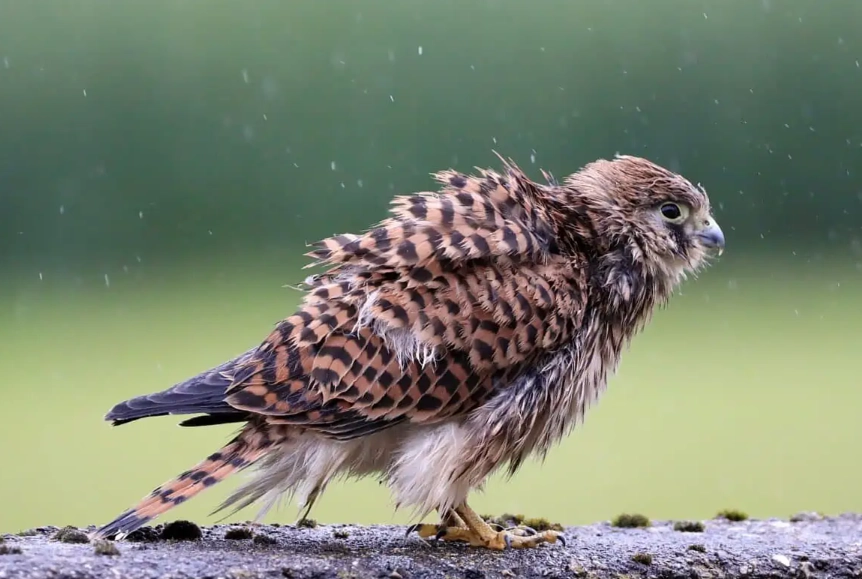
Why rain triggers a feeding frenzy (and why you want to be there)
Rain brings worms, insects, and frogs to the surface. Birds know this. They feed aggressively before and during light rain. I've watched a mixed flock of warblers and vireos tear through a wet thicket like it was an all-you-can-eat buffet. On a sunny day, those same birds would be high in the canopy, invisible.
But here's a non-consensus tip: the first 20 minutes after a heavy shower ends are dead. Birds hunker down and wait. Give it half an hour. Then they come back out hungrier than before.
Last spring I stopped at a strip mall in New Jersey during a drizzle. A retention pond behind the parking lot held a pair of Wilson's snipe—a bird I'd missed all year. They were probing the mud inches from the curb. Two other birders drove by without stopping. Rain made the mud soft enough for foraging. That's the kind of detail you only learn by getting out there.
Gear that survives a downpour (without costing a fortune)
You don't need a $2,000 waterproof scope. But you do need to keep your optics dry. Fogged lenses are the number one frustration I hear from people trying rainy-day birding. Here's my realistic gear list, based on what I actually carry.
| Item | What I use | Why it works | Approx. price |
|---|---|---|---|
| Binoculars | Nikon Monarch M5 8x42 (waterproof rated) | Nitrogen purged, never fogged on me in three seasons of wet birding | $300 |
| Rain jacket | Any packable 2.5-layer shell | Quiet fabric matters more than brand; noisy jackets spook birds | $80–120 |
| Lens cloth | Microfiber, kept in a zip bag | Cheap, replaceable, don't use your shirt | $5 |
| Boots | Rubber-bottom hiking shoes | Trail mud gets slick; rubber lugs grip better than foam | $60–100 |
| Phone case | Waterproof pouch with lanyard | For quick eBird checklists without risking your phone | $15 |
Skip the umbrella. I know it's tempting. But juggling an umbrella and binoculars means you see nothing. A wide-brimmed waterproof hat keeps rain off the eyepieces long enough to get a good look.
Safety: the unglamorous basics that keep you birding
Getting wet is fine. Getting hypothermic is not. I've made the mistake of wearing cotton in a cold drizzle. Never again. Wet cotton pulls heat from your body fast. Stick to wool or synthetic base layers.
Trails turn slick. Roots hide under mud. I carry a trekking pole on any rainy hike now after a close call on a muddy slope at a local preserve. Also: check for lightning. Rain without thunder is fine. Rain with thunder means you leave. No bird is worth a lightning strike.
Three tried-and-tested spots for rainy-day birding
These are places I've personally birded in wet weather. They work because they have cover, water, and a mix of habitats within a short walk.
Cape May Point State Park, New Jersey — 305 Lighthouse Ave, Cape May Point, NJ. Open dawn to dusk. No entrance fee. The plover ponds and dune boardwalks hold rails, sparrows, and waterfowl during drizzle. Parking lot fills by 8 a.m. on migration weekends. Go mid-week.
Magee Marsh Wildlife Area, Ohio — 13229 West State Route 2, Oak Harbor, OH. Open daily, free. The boardwalk gets slippery, but warblers drop low during rain. I've had 18 warbler species in a single wet morning in May.
Bombay Hook National Wildlife Refuge, Delaware — 2591 Whitehall Neck Road, Smyrna, DE. $5 daily pass (self-serve kiosk). Drive the loop in light rain—the impoundments fill with shorebirds and ducks. Stay in the car during heavy rain and watch from the window. It's allowed and surprisingly productive.
How birds behave differently in rain (and how to read the clues)
Birds don't just get wet. Their whole schedule shifts. Here's what I watch for:
- Ground feeders move up. Robins and towhees hop onto low branches when puddles flood their usual spots.
- Hawks wait out the worst. Don't expect soaring raptors in heavy rain. Look for accipiters perched low in dense cover, feathers fluffed.
- Swallows go low. Insects get pushed down by rain. Swallows follow. I've had cliff swallows skim past my boots during a drizzle.
- Song changes. Many birds sing less in rain. Some—like Carolina wrens—belt it out louder. Don't rely on song alone; use your eyes more.
One thing I learned the hard way: don't trust the weather radar. A 40% chance of rain often means dry windows. Check a hyperlocal forecast (I use the National Weather Service point forecast) an hour before you leave. If the rain is light and intermittent, go. If it's a steady downpour, wait for a break. Birds feed hardest right after a front passes.
Straight answers to real questions about birding in the rain
Rainy-day birding isn't for everyone. Good. The birds don't seem to mind the weather. They just go about their day. You can too. Put on a quiet rain jacket, grab a lens cloth, and walk out. The worst that happens is you get a little wet. The best that happens is you see something nobody else bothered to look for.
This article was fact-checked against product specifications from Nikon and field notes from personal trips to Cape May, Magee Marsh, and Bombay Hook.
Reader Comments