In This Guide
- The Headliners: 7 Rocky Mountain Birds You Won't Forget
- Where to Go: Birding Hotspots in the Rockies (Beyond the Trailhead)
- When to Go: It's All About the Season (And the Time of Day)
- Gear Up: What You Actually Need (And What You Don't)
- Beyond Watching: Photographing Rocky Mountain Birds
- Making it Count: The Bigger Picture
Let's be honest. You're probably here because you saw something flash of blue in a pine tree, or heard a call you couldn't place, and now you're curious. Maybe you're planning a trip and want to know what you might see. That's exactly how I started. I remember my first real encounter – a Steller's Jay, all that bold blue and black, staring me down from a lodgepole pine in Colorado. It wasn't in a book; it was right there. That moment hooked me. The Rockies aren't just mountains; they're a vertical stage for some of North America's most dramatic and resilient birds.
Birding here is different. The air is thin, the weather can turn on a dime, and the landscapes shift from dense forest to open alpine tundra in a matter of miles. The birds that thrive here are specialists, tough as nails and often breathtakingly beautiful. This guide isn't a dry scientific catalog. Think of it as a conversation from one curious person to another, packed with the stuff I wish I'd known when I started: where to go, what to look for, and how to not feel completely lost (while probably still getting a bit lost, because that's part of the fun).
Quick Reality Check: Birding the Rockies isn't always about serene moments. You might hike for hours and see very little, then have a flock of nutcrackers descend noisily around you. The mosquitoes near a beaver pond can be brutal. And identifying a little brown bird flitting in the shadows? Frustrating, at first. But the wins – spotting a ptarmigan perfectly camouflaged in the rocks, or hearing the ethereal flute of a Swainson's Thrush – make it all worth it.
The Headliners: 7 Rocky Mountain Birds You Won't Forget
Everyone wants to see the celebrities. These are the birds that define the region for many people. They're the ones you'll brag about seeing (or quietly cherish the memory of). I've put together this list based on a mix of sheer iconic status, accessibility for viewers, and that special "wow" factor. This isn't a definitive ranking, but a solid starting point for your must-see list.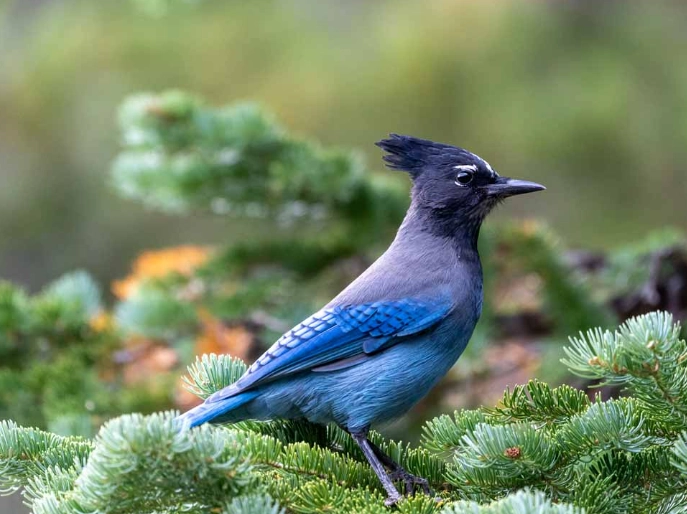
| Bird | Where to Find It | Best Season | Key ID Feature | My Personal Note |
|---|---|---|---|---|
| Steller's Jay | Coniferous forests (campgrounds are a hotspot). | Year-round. | Crested head, deep blue body, black head & upper breast. | The bold campground bandit. Incredibly smart and opportunistic. Don't leave your snacks unattended. |
| Clark's Nutcracker | High-elevation pine forests, especially near treeline. | Year-round. | Pale gray with black wings and tail, white tail corners, long pointed bill. | The sound of the high country. Its loud, grating calls are a constant soundtrack. A key species for forest regeneration. |
| Golden Eagle | Open ranges, cliffs, and canyonlands. | Year-round, but more visible in winter. | Massive, with golden nape. Wings held in a slight "V" while soaring. | A sight that stops you in your tracks. Scan ridges and thermals. Don't confuse it with a juvenile Bald Eagle (more mottled). |
| Broad-tailed Hummingbird | Mountain meadows, forest edges, feeders. | Summer (May-Aug). | Male's rose-red throat, distinctive loud wing trill in flight. | That buzzing sound on a hike? It's probably this guy. A true sign of summer. Loves bee balm and penstemon. |
| White-tailed Ptarmigan | Alpine tundra, above treeline. | Year-round, but famously camouflaged. | Summer: mottled brown. Winter: pure white. Feathered feet. | The ultimate master of disguise. You'll likely almost step on one before you see it. A high-altitude prize. |
| Mountain Bluebird | Open grasslands, meadows, burned areas. | Summer breeding, some winter in valleys. | Male is stunning, unreal sky-blue. Female is grayish with blue tinges. | That "wow" blue is no exaggeration. Seeing one on a fencepost against a mountain backdrop is postcard-perfect. |
| American Dipper | Fast-flowing, rocky mountain streams. | Year-round. | Plump, slate-gray, constantly bobbing. The only aquatic songbird. | Watch it walk underwater! Find a rushing stream and look for a bobbing blob on a rock. A true behavior marvel. |
That list just scratches the surface, of course. For every Steller's Jay, there are a dozen Townsend's Warblers flitting in the canopy. The real treasure is in the diversity. What I love is how different ecosystems host completely different casts of characters.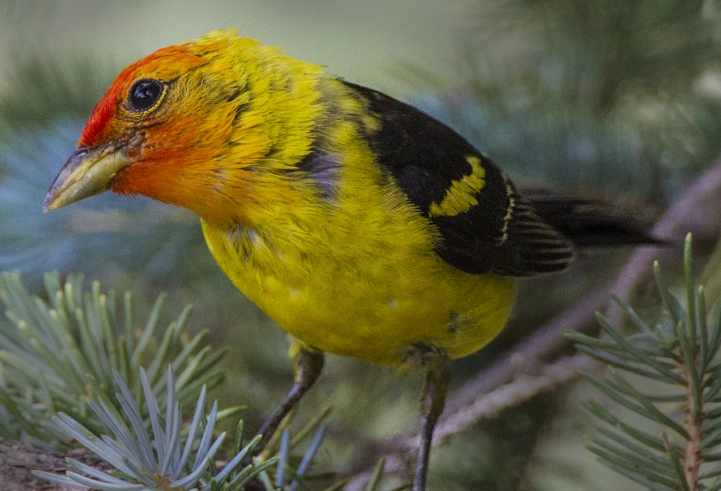
I'll never forget the first time I identified a Pine Grosbeak by myself. It was in a snowy parking lot in Yellowstone, a flock of them like soft, rosy finches. I fumbled with my guide, my fingers freezing, but that moment of connection – of going from "what's that" to "oh, it's a Pine Grosbeak!" – is the addictive core of birding. It turns a landscape from pretty scenery into a living, breathing community.
Where to Go: Birding Hotspots in the Rockies (Beyond the Trailhead)
Okay, so you know what to look for. Now, where do you actually go? National parks are obvious, and for good reason, but they can be crowded. Some of my best sightings have been in less-hyped spots.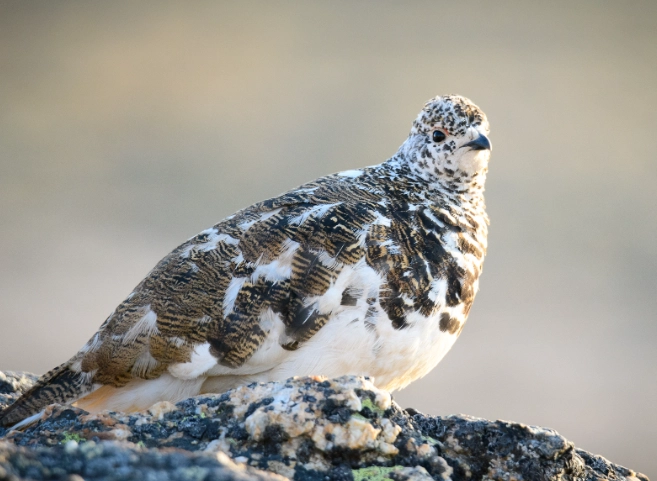
National Parks & Famous Valleys
Rocky Mountain National Park (Colorado) is a classic for a reason. The drive up Trail Ridge Road takes you through life zones from montane to alpine. Bear Lake area is great for Steller's Jays and nutcrackers. For ptarmigan, hike the tundra trails off Trail Ridge. It can feel like a birding conveyor belt on busy days, though.
Yellowstone & Grand Teton (Wyoming) offer incredible variety. The geothermal areas in Yellowstone attract birds like the fearless Raven. Grand Teton's Oxbow Bend is famous for waterfowl, Osprey, and Bald Eagles. The National Park Service page for Grand Teton birds is a fantastic, authoritative resource for planning. I've found their seasonal checklists surprisingly accurate.
Glacier National Park (Montana) is harder to access but rewards with species like the Harlequin Duck in fast rivers and the elusive Black Swift near waterfalls.
Under-the-Radar Gems
This is where you can escape the crowds. Look for:
- National Wildlife Refuges: Places like Bear River Migratory Bird Refuge (Utah) or Red Rock Lakes (Montana) are waterbird havens, especially during migration. Swans, grebes, shorebirds – a different vibe from the forests.
- State Parks & Forest Service Land: Often just as good as national parks. Colorado's State Forest State Park is unofficially the "Moose Capital" but also has great boreal birding. Dispersed camping areas in national forests (check regulations!) can offer quiet, productive mornings.
- Riparian Zones: Any river corridor, big or small. These are green highways for birds. Cottonwood groves along a river in Montana can be buzzing with warblers, flycatchers, and woodpeckers.
Pro Tip: Don't just hike the popular summit trails. Spend time at the edges – where forest meets meadow, where stream meets forest. These "ecotones" are where action happens. Sit quietly for 15 minutes. You'll see more than on a loud, brisk 2-hour hike.
When to Go: It's All About the Season (And the Time of Day)
Birding in July is a totally different game from birding in January. The cast changes, the behavior changes, even the sounds change.
Spring (May-June): This is the peak of song and color. Migrants are returning, males are singing their hearts out to defend territories and attract mates. Warblers, tanagers, flycatchers fill the woods. It's vibrant and busy. The downside? Unpredictable weather – snowstorms in May are common.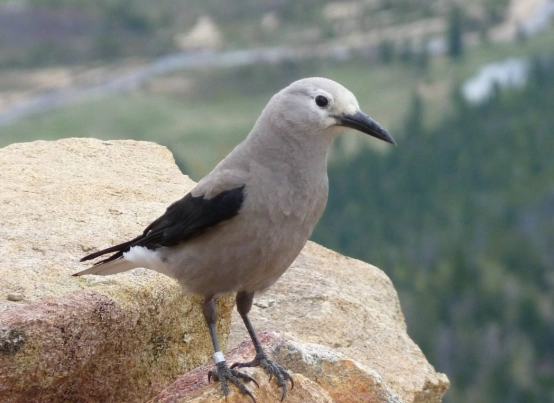
Summer (July-Aug): Birds are quieter, focused on raising young. You'll see more family groups. This is the best time for high-altitude species like ptarmigan and rosy-finches, once the snow melts. Wildflowers are out, which means hummingbirds are active. Mornings are still best for activity.
Fall (Sept-Oct): Migration kicks in again. It's less about song and more about movement. You might see large flocks of raptors riding thermals along ridges (hawk watches can be fantastic). It's a more subtle, challenging season but very rewarding. The Cornell Lab of Ornithology's news section often has great migration updates and tips that apply perfectly to Rocky Mountain flyways.
Winter (Nov-Apr): This is for the tough birds and the tough birders. Many species descend to lower valleys. Look for massive flocks of Bohemian Waxwings stripping berries from trees. Eagles concentrate near open water. It's stark, quiet, and seeing a bird feels like a real gift. Dress warmly. Seriously.
Time of day? Forget midday. The magic hours are the first 3-4 hours after sunrise, and the last 2 hours before sunset. That's when birds feed and are most vocal. I've had countless trips where I saw nothing at noon, but a morning revisit to the same spot was alive.
Gear Up: What You Actually Need (And What You Don't)
You don't need thousands of dollars of gear to start. In fact, starting simple is better.
The Absolute Essentials:
- Binoculars: This is your most important tool. Don't get the cheapest $30 pair; they'll be frustrating. Aim for a mid-range pair in the $150-$300 range (brands like Nikon, Vortex, Celestron). Look for something labeled 8x42 – that's a great all-purpose configuration for the Rockies. I made the mistake of starting with a heavy, high-magnification pair. It was overkill and gave me a headache.
- A Field Guide: Physical or digital. Sibley's or National Geographic guides are excellent. I still carry a battered Sibley. For digital, the Merlin Bird ID app from Cornell Lab is a game-changer, especially its sound ID feature. It's not perfect in windy mountains, but it's scarily good.
- Clothing Layers: The mountains make their own weather. A moisture-wicking base layer, insulating mid-layer, and a waterproof/windproof shell are non-negotiable. Good socks and broken-in hiking boots are more important than fancy optics if your feet are cold and wet.
The "Nice to Haves" (That Become Essentials Fast):
- A Spotting Scope: Only if you're getting into waterfowl, shorebirds, or distant raptors. It's heavy. Don't start here.
- eBird: The companion app to Merlin. It's a global database where you log your sightings. It feels nerdy at first, but it's incredible for finding out what's been seen recently near you. It also makes your data contribute to science via the Cornell Lab of Ornithology. Seeing a hotspot pop up on the map saved me from many a bird-less hike.
- A Good Hat & Sunscreen: High-altitude sun is no joke.
Beyond Watching: Photographing Rocky Mountain Birds
Want to bring the memory home? Bird photography here is challenging but incredibly satisfying. The light is harsh, the birds are often far away or hidden. My early photos were terrible – blurry specks against blown-out skies.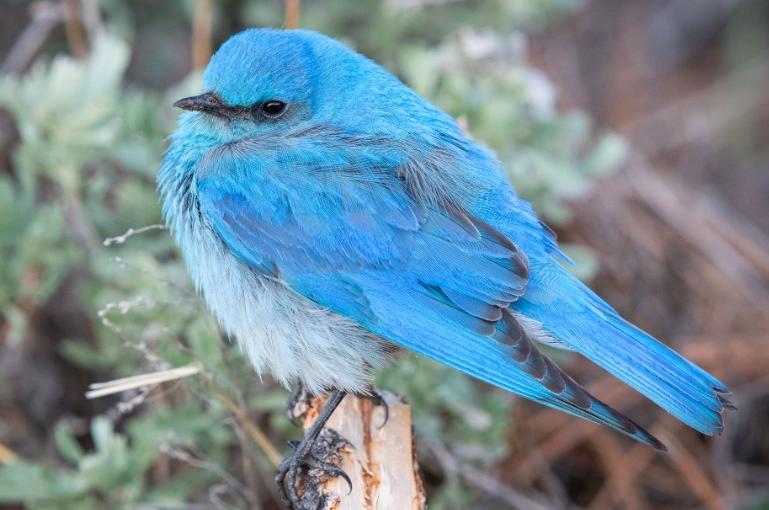
Start with what you have. A modern smartphone can take great photos through your binoculars (digiscoping) with a cheap adapter. If you're using a camera, a lens with at least 300mm reach is the starting point. Patience is your best lens. Sit near a reliable water source at dawn, like a beaver pond or a quiet stream bend. Birds will come to you.
Ethics are crucial. Never stress a bird for a photo. If you're causing it to change its behavior (flushing, stopping feeding, alarm calling), you're too close. Use your zoom, not your feet. Nest photography is a big no-no unless you're a researcher with permits – you can lead predators right to the eggs or chicks.
Answers to the Questions You're Probably Asking...
Making it Count: The Bigger Picture
Here's the thing that transformed birding from a hobby into a passion for me: it connects you to the health of the place. Birds are indicators. Noticing fewer nutcrackers one year might reflect a poor pine cone crop. The northward shift of some species is a tangible sign of a changing climate.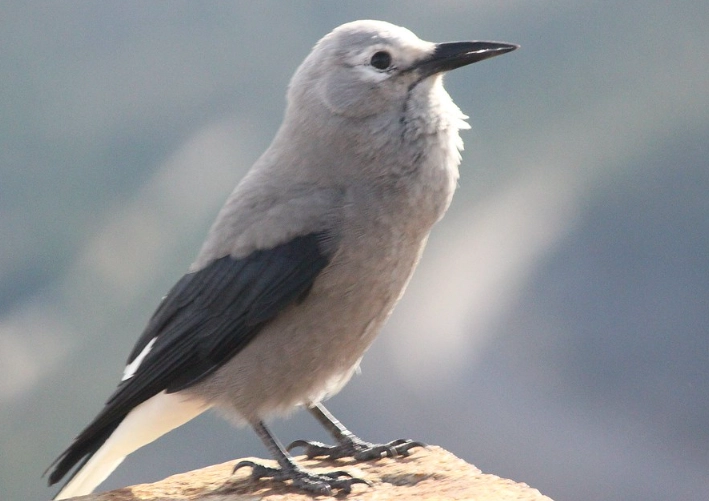
When you log a sighting in eBird, you're adding a data point to a global project. When you learn that Clark's Nutcracker can store tens of thousands of seeds and remembers most of their locations, you see the forest differently. You're not just looking at a pretty bird; you're watching a keystone species that plants entire groves of trees.
The community of people who love Rocky Mountain birds is also fantastic. Look for local Audubon chapter trips. You'll meet people who can spot a flycatcher by its silhouette and are usually happy to share their knowledge. I've learned more on one group walk with a seasoned birder than in months on my own.
My final piece of advice? Lower your expectations. Don't go out demanding to see a Golden Eagle. Go out to be in the mountains. Listen to the wind in the pines and the chatter of the squirrels. Smell the wet earth after a storm. The birds are part of that whole experience. Sometimes the dipper will appear on the stream. Sometimes you'll just have a nice walk. Both are wins. The Rockies have been there for millennia, and their birds have adapted to one of the toughest environments on the continent. Just by paying attention, you become a small part of that story. Now, get out there. Your first Steller's Jay is waiting, probably eyeing your trail mix.
Reader Comments